


Your goal
Understanding skin hydration and radiance
Dull skin reflects less light and can look flat, rough or tired. Skin that loses too much water can also feel tight and show fine surface lines. These changes can occur together, but they do not always have the same cause. A skin assessment helps separate dryness, surface build-up, uneven colour and an underlying skin condition.
What influences it
What affects skin hydration and radiance?
Water and barrier loss
Harsh cleansers, long hot showers, dry air and some skin-care products can remove water and protective oils from the skin surface.
Surface cell build-up
Dead skin cells can remain on the surface and make the skin feel rough or reflect light less evenly.
Sun exposure
Ultraviolet light can change skin colour, texture and collagen over time. This can make the face look less even and less bright.
Age and environment
Skin can make less natural oil with age. Air conditioning, heat, wind and low humidity can add to moisture loss.
Skin or medical conditions
Eczema, psoriasis, thyroid disease, some medicines and other conditions can cause persistent dryness. A doctor should assess dryness that is severe, itchy or painful.
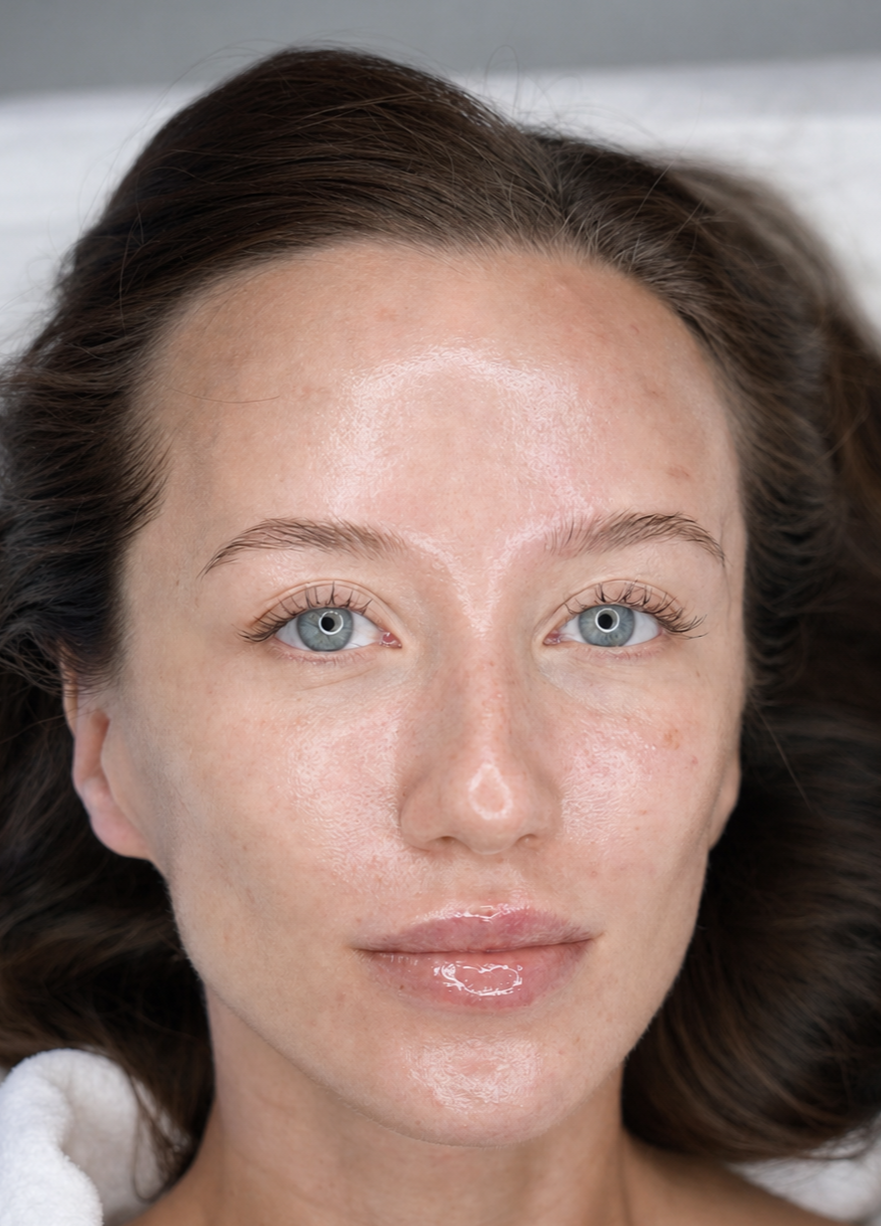
Hydrafacial
This multi-step facial cleans, exfoliates and extracts surface debris before it applies selected serums. A doctor may discuss it when congestion, rough texture and temporary surface dehydration occur together.
Detailed treatment information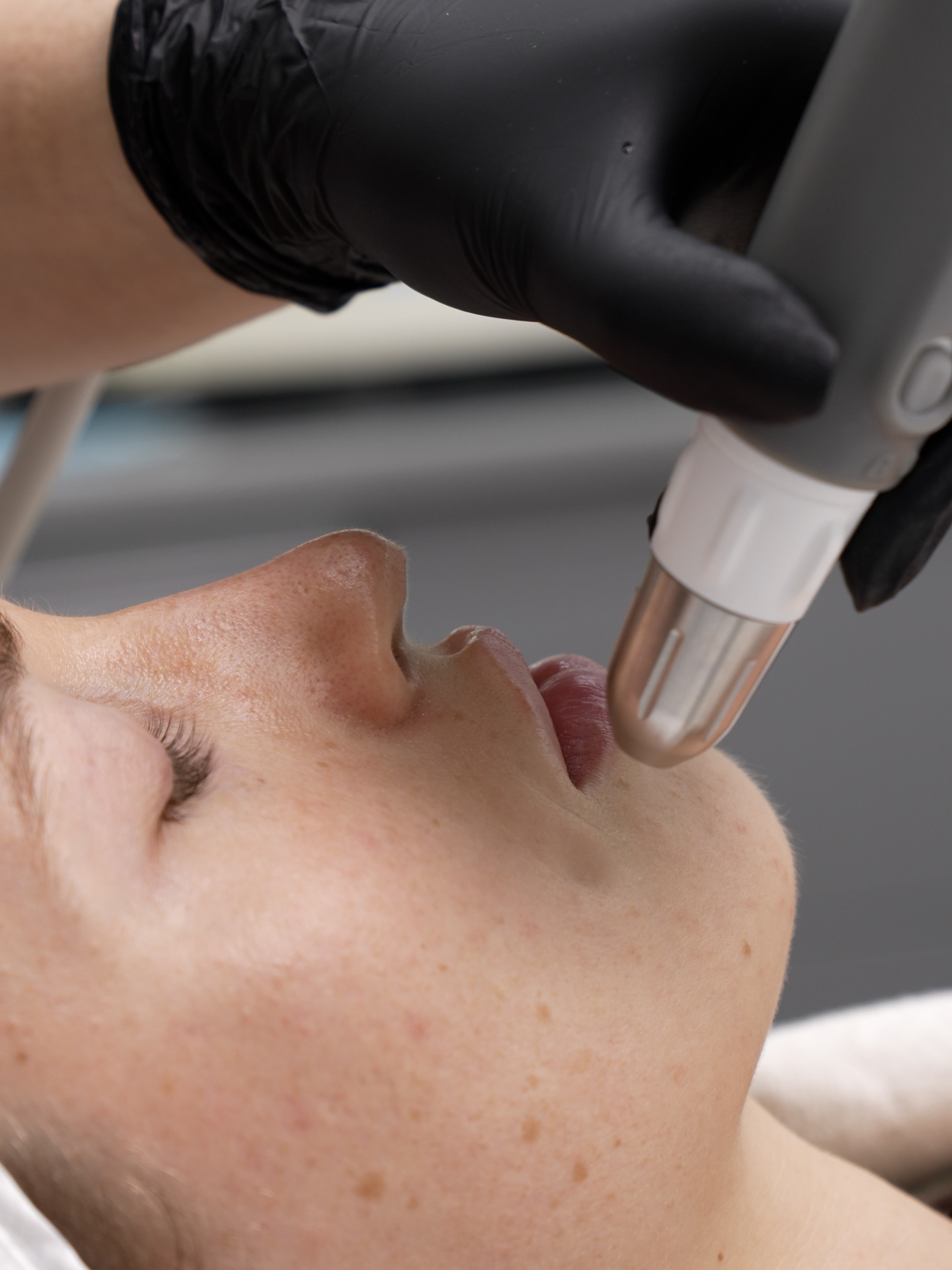
Dermadrop needle-free mesotherapy
Dermadrop applies selected serums without needles. It may be considered when the main goals are surface hydration and a fresher appearance, with the serum chosen for the assessed skin condition.
Detailed treatment information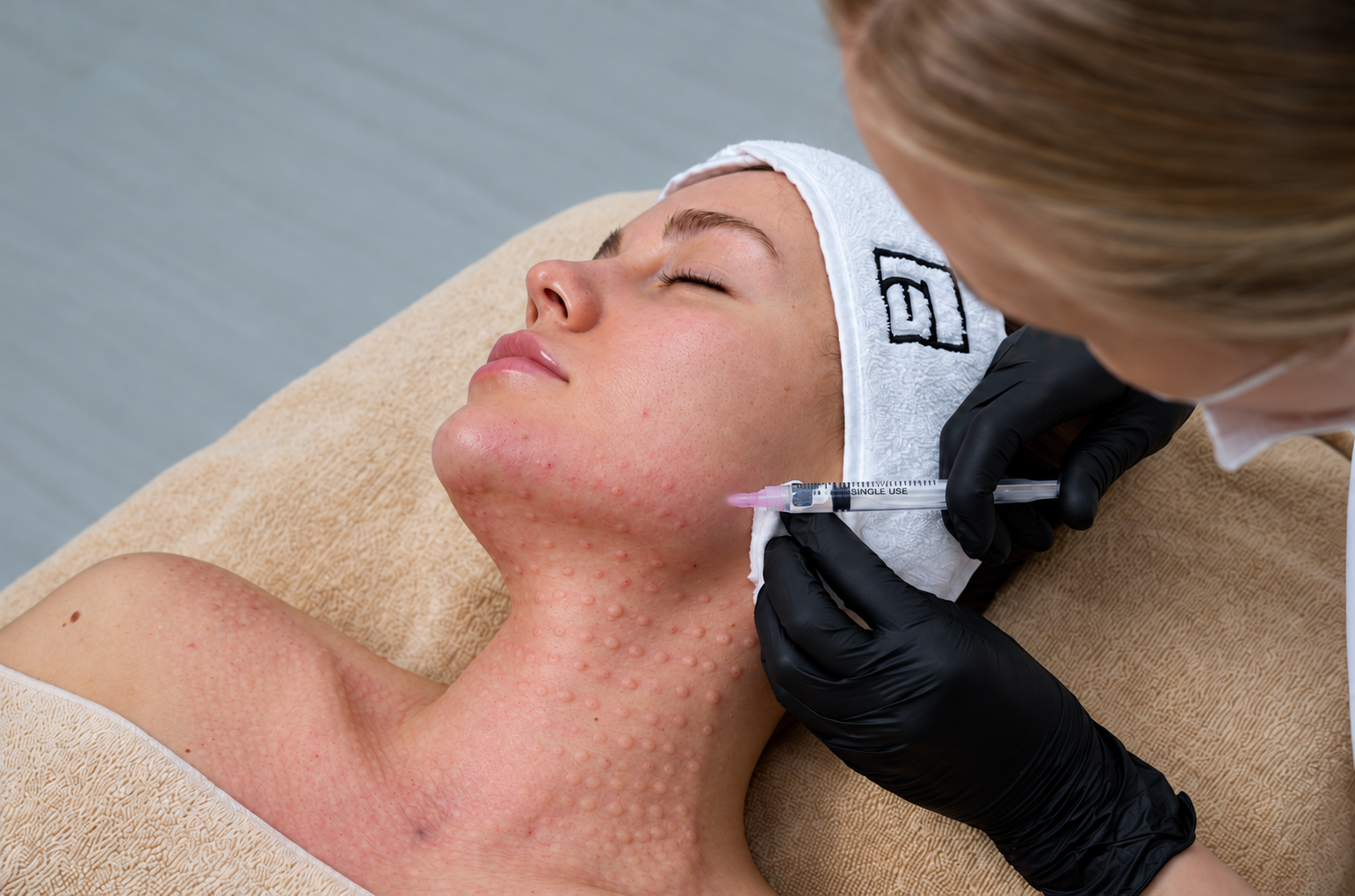
Plinest polynucleotide skin booster
This injectable treatment uses polynucleotides as part of a gradual skin-quality plan. A doctor may discuss it for selected concerns about hydration, fine texture and thin-looking skin.
Detailed treatment information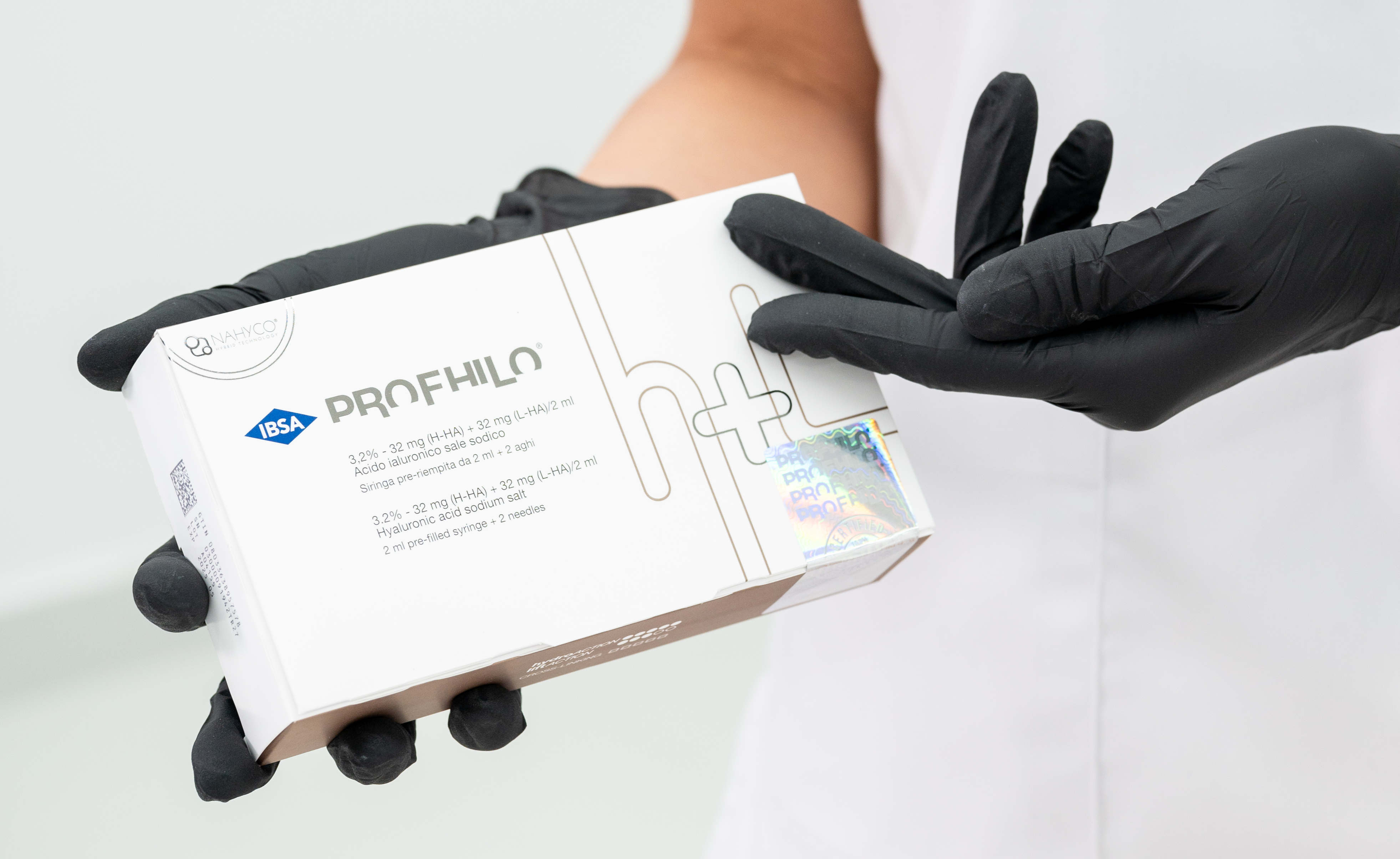
Profhilo skin booster
Profhilo is an injectable hyaluronic-acid treatment used to support skin hydration and remodelling without adding shaped volume. It is not an instant lifting treatment, and the change develops over time.
Detailed treatment information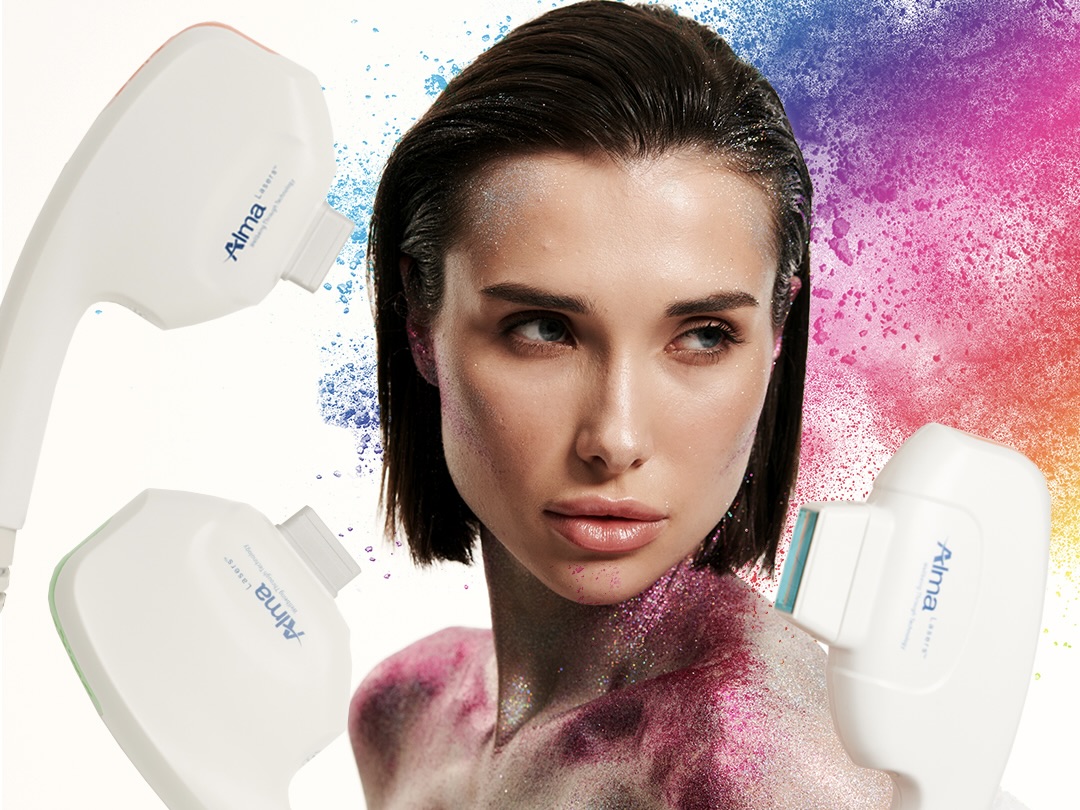
GLOW FLOW light-based treatment
This Alma Harmony XL PRO protocol combines light-based steps for selected concerns about uneven tone, visible redness and early texture change. The doctor adjusts the plan to the skin type and the findings from the assessment.
Detailed treatment information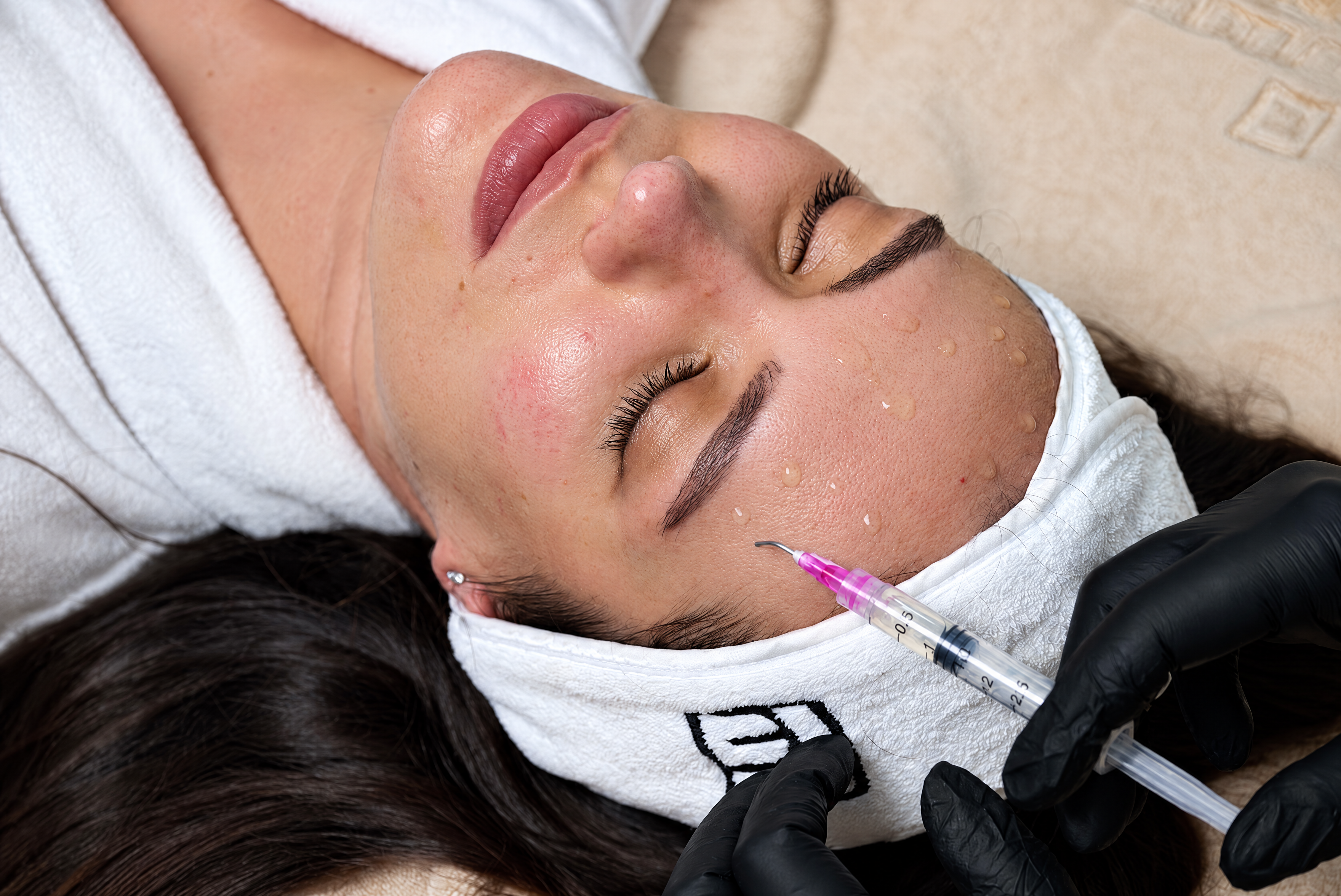
PRX-T33 medium-depth peel
A controlled chemical peel can remove damaged surface cells and support a smoother, more even appearance. The doctor selects the peel depth because stronger peels have more recovery time and pigment risk.
Detailed treatment information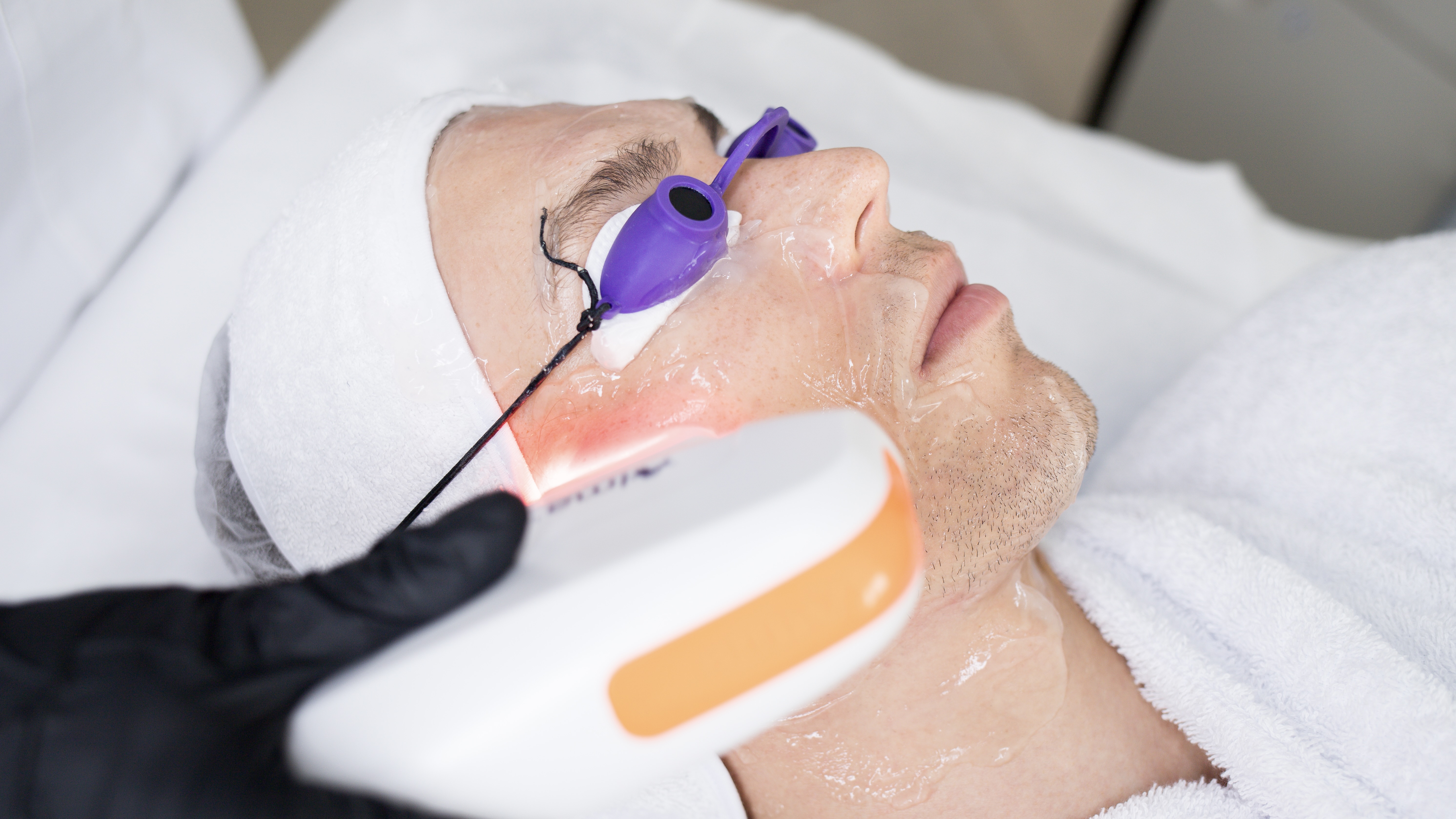
NIR infrared skin rejuvenation
This surface treatment uses near-infrared energy to warm deeper skin layers. A doctor may discuss it when dullness occurs with early texture or firmness changes rather than simple surface dryness alone.
Detailed treatment information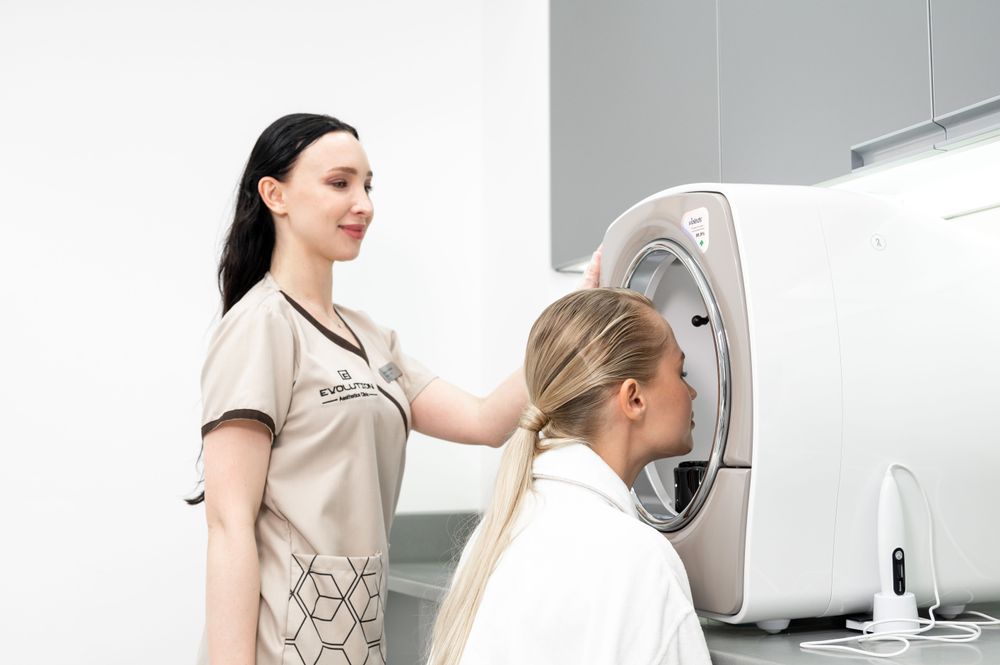 See how the test works
A measured starting point
Start with a 3D skin test
For facial skin improvement goals, the Janus PRO scan gives your doctor objective images and measurements before a treatment plan is made.
It photographs the face with standard, cross-polarised, parallel-polarised and UV light. The system maps visible features such as pores, pigmentation, redness, texture and sebum. Your doctor reviews this information with your medical history and examination to make a more precise facial-skin recommendation. The scan supports the decision; it does not diagnose a condition or select a treatment automatically.