


Your goal
Understanding clearer skin and pore health
A pore can become blocked when oil and dead skin cells collect inside a hair follicle. A closed blockage can form a whitehead, while an open blockage can form a blackhead. Inflammation can then cause red spots, pustules, nodules or cysts. Pores can also look larger because of oil, surface build-up, sun damage or loss of support around the opening.
What influences it
What affects skin clarity and pore health?
Oil and dead skin cells
Excess oil and cells that do not shed normally can block a follicle and form a blackhead or whitehead.
Bacteria and inflammation
Bacteria that normally live on the skin can multiply inside a blocked follicle. The immune response can make the area red, swollen and painful.
Hormonal change
Hormonal changes can increase oil production. This is common during puberty, menstrual cycles, pregnancy and some medical conditions.
Products, pressure and friction
Oily products, tight equipment, masks and repeated rubbing can trap heat and oil or irritate acne-prone skin.
Genetics and medicines
Family history can increase acne risk. Some medicines can also cause or worsen acne-like breakouts.
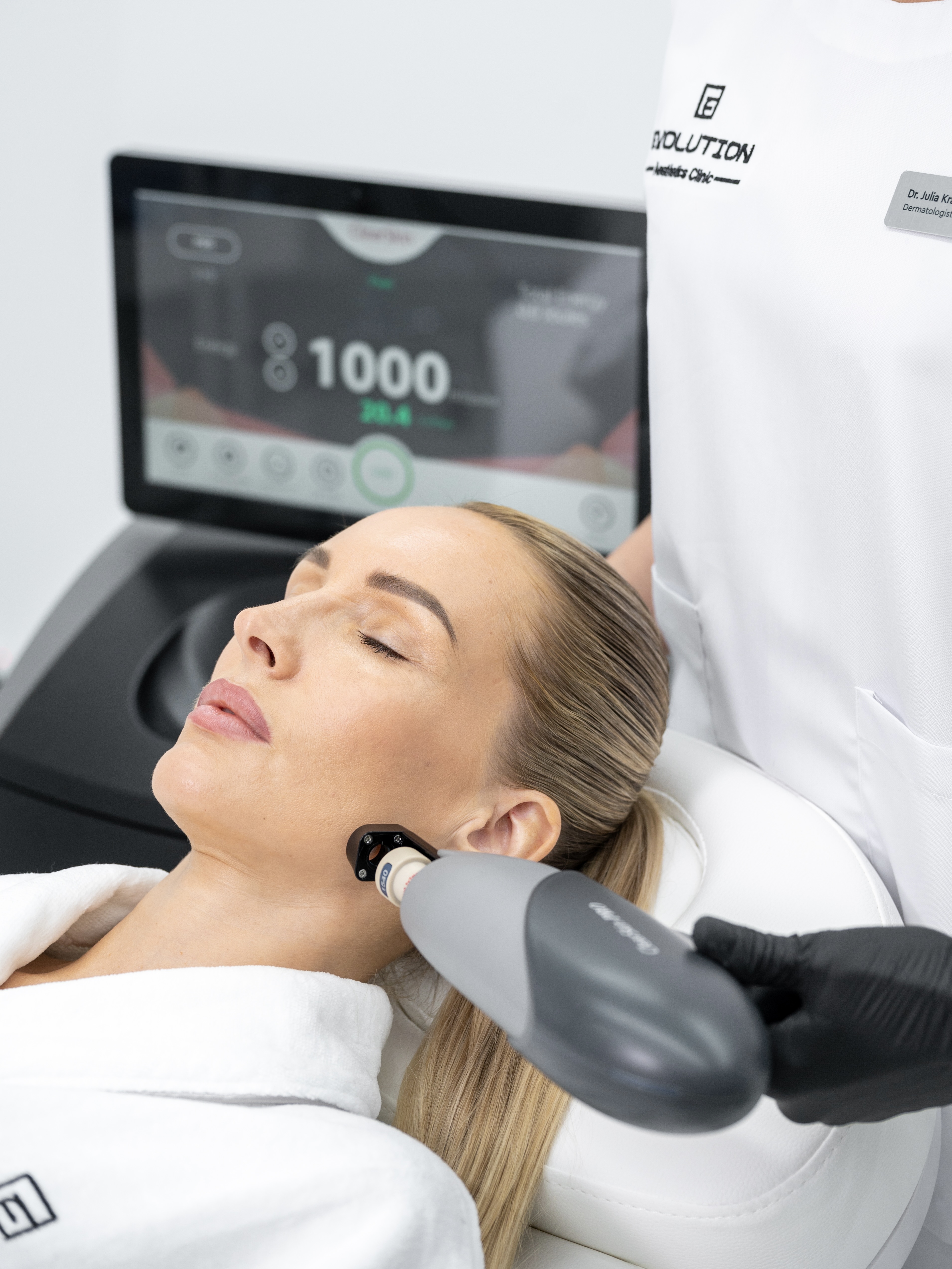
ClearSkin acne laser treatment
The ClearSkin handpiece uses non-ablative laser energy, cooling and vacuum for selected active acne, oiliness and post-acne concerns. A doctor sets the course after grading the acne and checking the skin type.
Detailed treatment information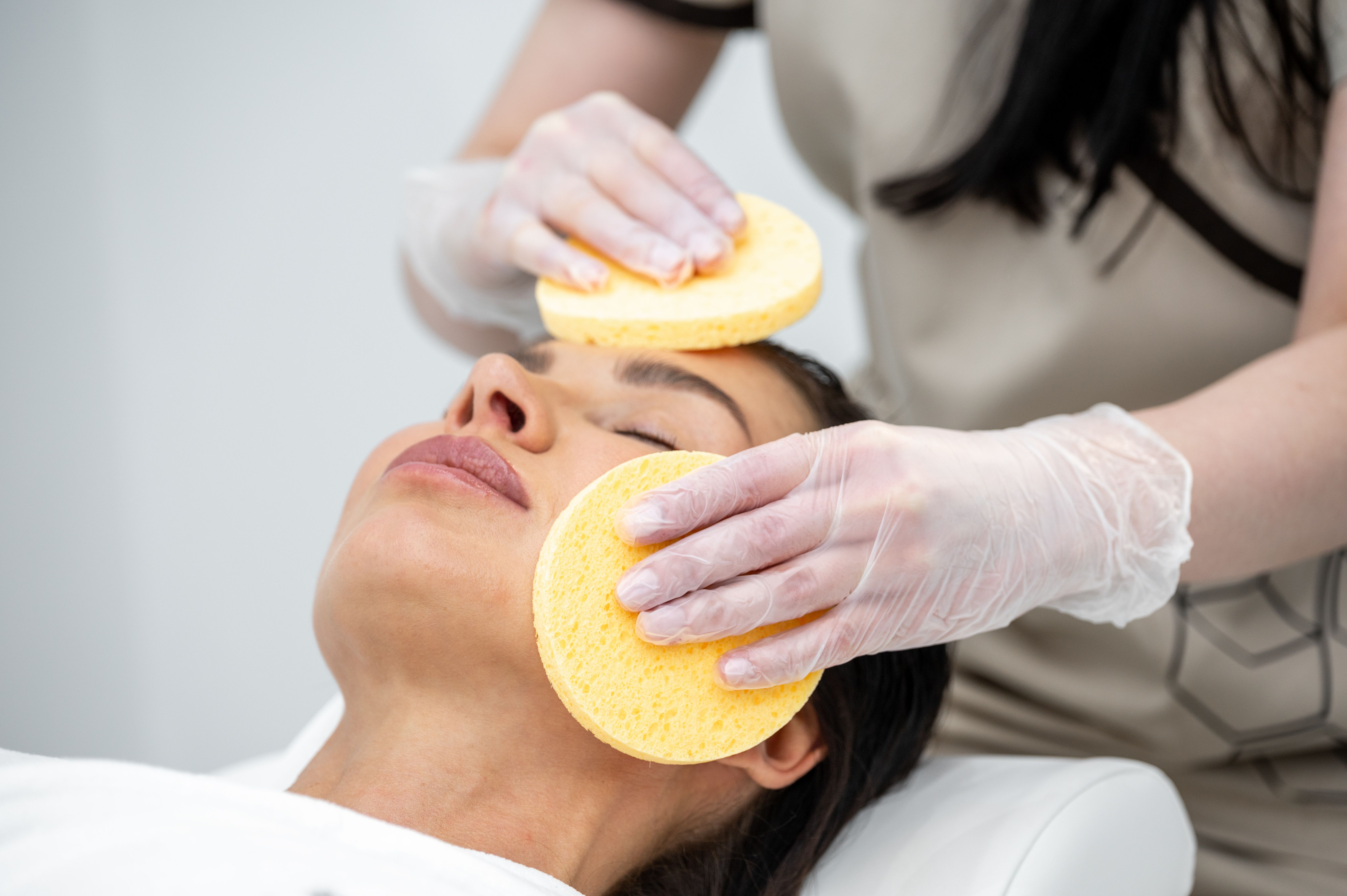
Clinical face cleansing
Clinical cleansing can include ultrasound, controlled manual extraction or an enzyme-based method. The clinician selects the method for the type of blockage and avoids extraction when it could increase inflammation or scarring.
Detailed treatment information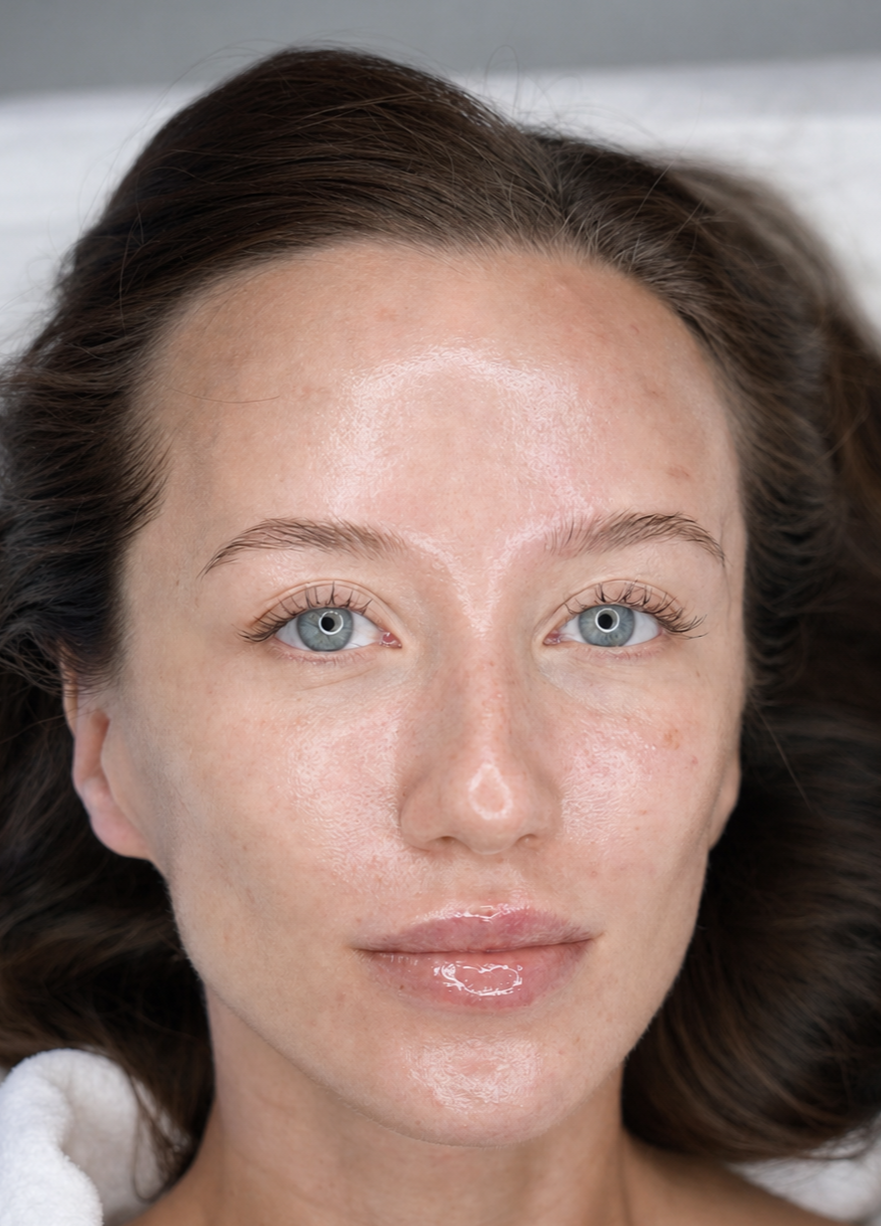
Hydrafacial
Hydrafacial combines surface cleansing, exfoliation, suction-based extraction and selected serums. A doctor may discuss it for mild congestion and roughness, but inflamed or severe acne often needs a different medical plan.
Detailed treatment information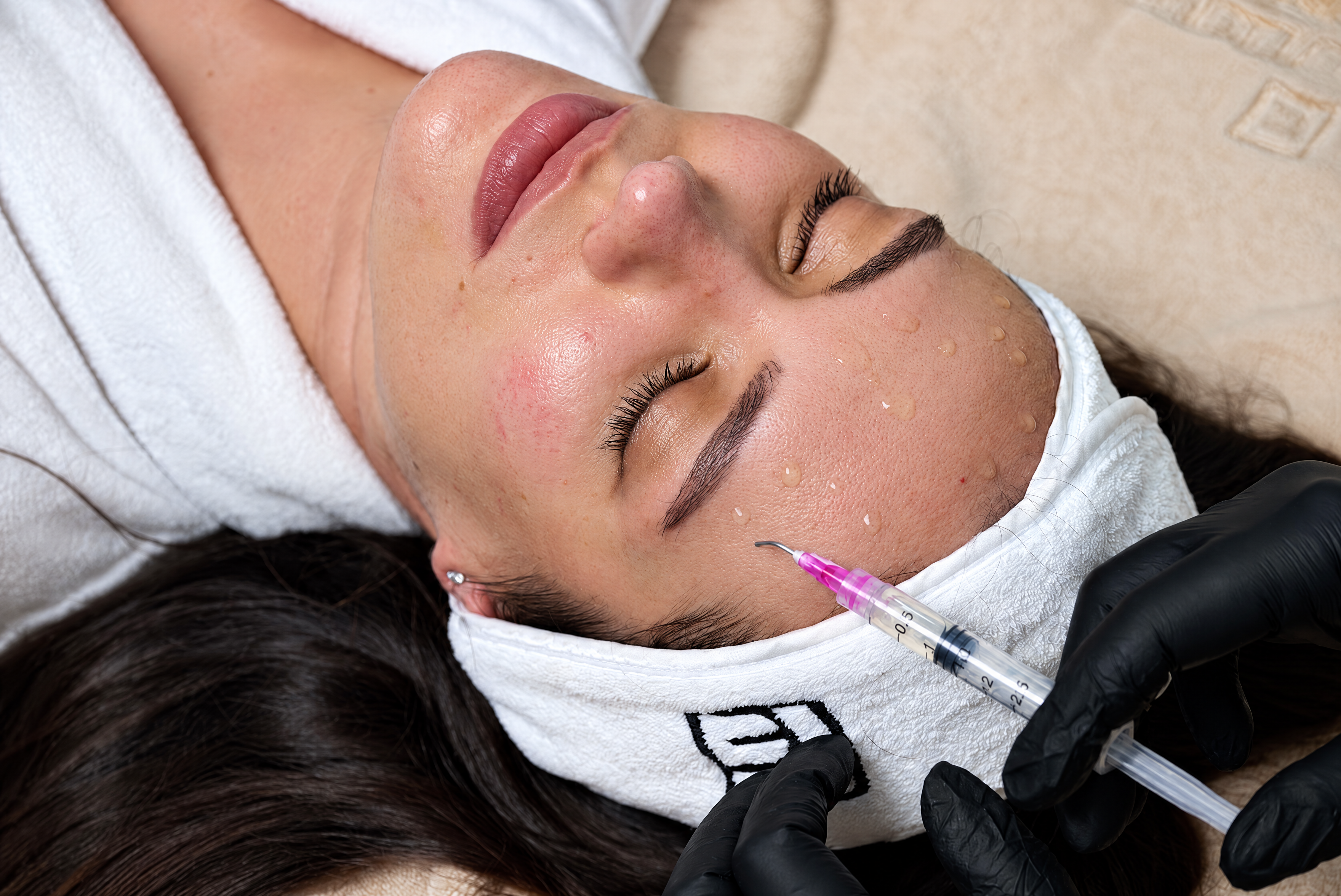
PRX-T33 medium-depth peel
A controlled chemical peel can loosen dead surface cells and support a smoother appearance. The doctor chooses the depth and timing because an unsuitable peel can irritate active acne or cause pigment change.
Detailed treatment information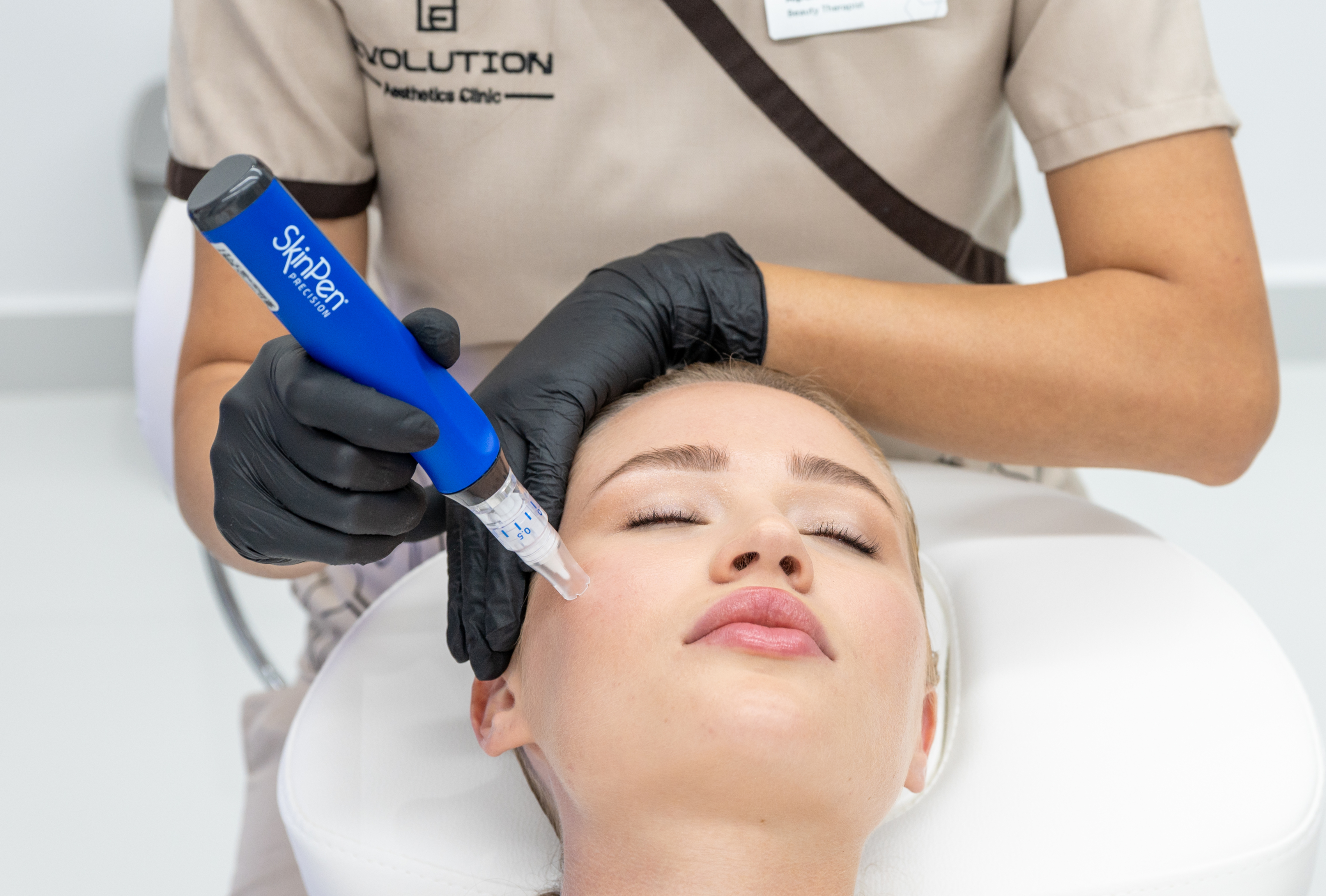
SkinPen microneedling
Microneedling supports collagen renewal and may be discussed for enlarged-looking pores or depressed acne scars. It is usually considered after active inflammatory acne is controlled.
Detailed treatment information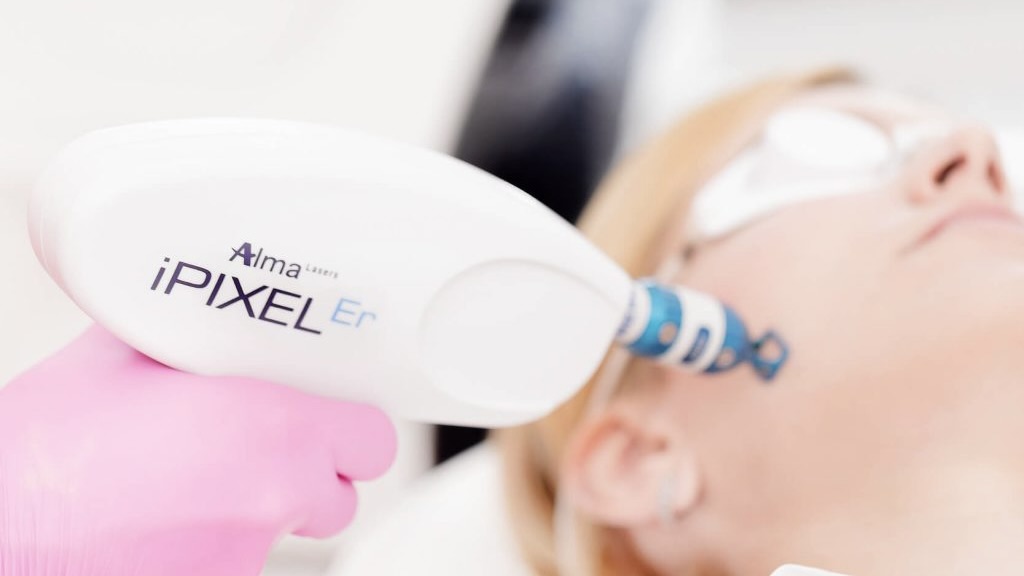
iPixel scar laser treatment
Fractional iPixel laser treatment creates small treatment zones that support gradual skin remodelling. A doctor may discuss it for selected acne scars after checking scar type, skin tone and the risk of pigment change.
Detailed treatment information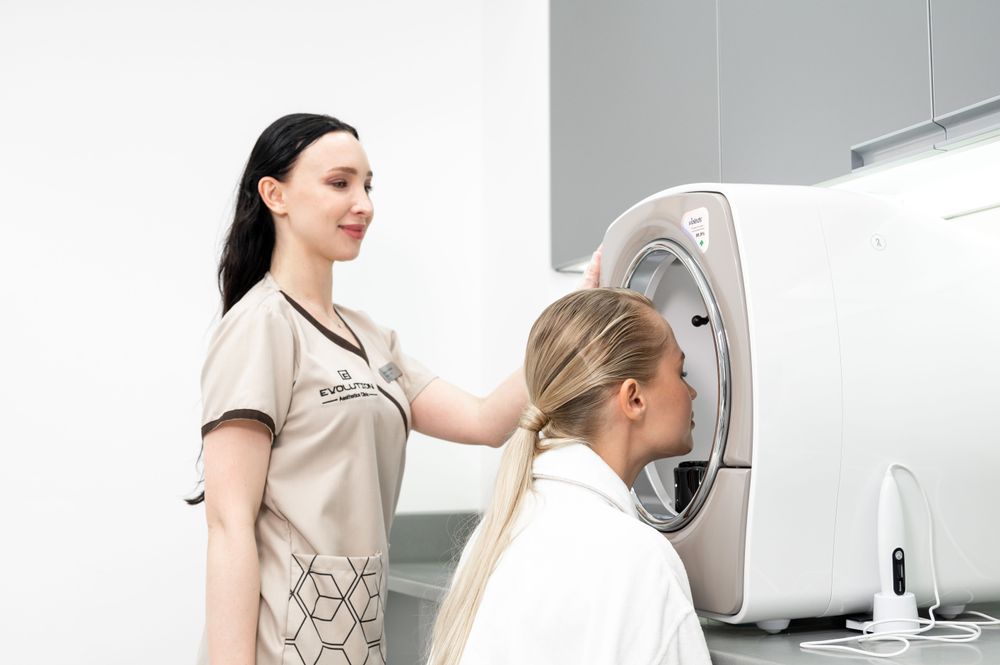 See how the test works
A measured starting point
Start with a 3D skin test
For facial skin improvement goals, the Janus PRO scan gives your doctor objective images and measurements before a treatment plan is made.
It photographs the face with standard, cross-polarised, parallel-polarised and UV light. The system maps visible features such as pores, pigmentation, redness, texture and sebum. Your doctor reviews this information with your medical history and examination to make a more precise facial-skin recommendation. The scan supports the decision; it does not diagnose a condition or select a treatment automatically.