


Your goal
Understanding body contours and skin texture
Cellulite is a common change in skin texture that can look dimpled or uneven. It is not the same as excess fat. Puffiness can be a temporary feeling of fullness or visible swelling caused by fluid in the tissues. Local fat, muscle tone and skin firmness can also change the outline of the body. Sudden, painful or one-sided swelling needs medical assessment before any cosmetic treatment.
What influences it
What shapes body contours and skin texture?
Skin and connective tissue structure
Fibrous bands connect the skin to deeper tissue. Their pattern can pull the skin down while fat presses upward, which creates the dimpled look of cellulite.
Fluid retention
Long periods of sitting or standing, heat, salt, medicines and some health conditions can cause fluid to collect in the tissues and make an area look puffy.
Fat distribution and weight change
Genes, hormones and weight change affect where the body stores fat. Local fat can change body contour, but it is different from cellulite.
Muscle tone and activity
Muscle size and tone help form the outline of the body. Changes in activity, age or recovery after illness can alter that outline.
Skin firmness
Age, sun exposure and major weight change can reduce skin firmness. This can make cellulite or a local fat pocket more visible.
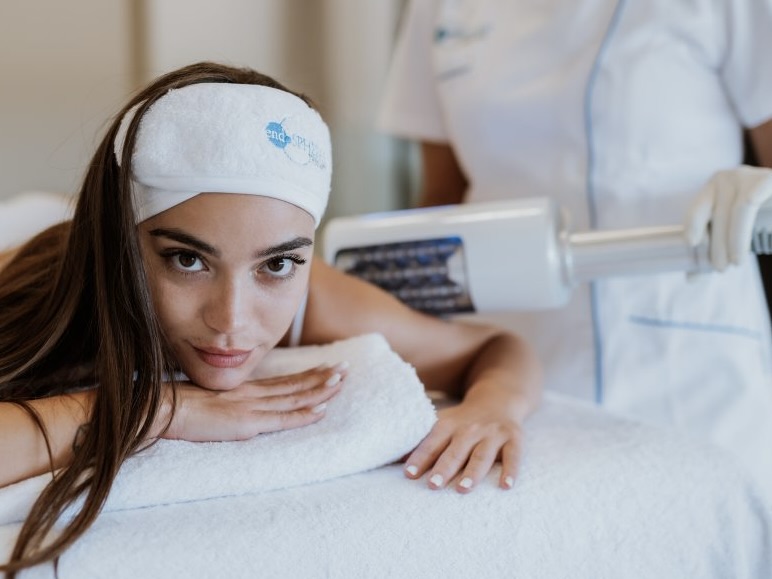
Endospheres body treatment
This device uses compressive microvibration over the body. A doctor may discuss it for the appearance of cellulite, tissue massage and selected fluid-related puffiness. Any change can be temporary and usually needs a treatment plan.
Detailed treatment information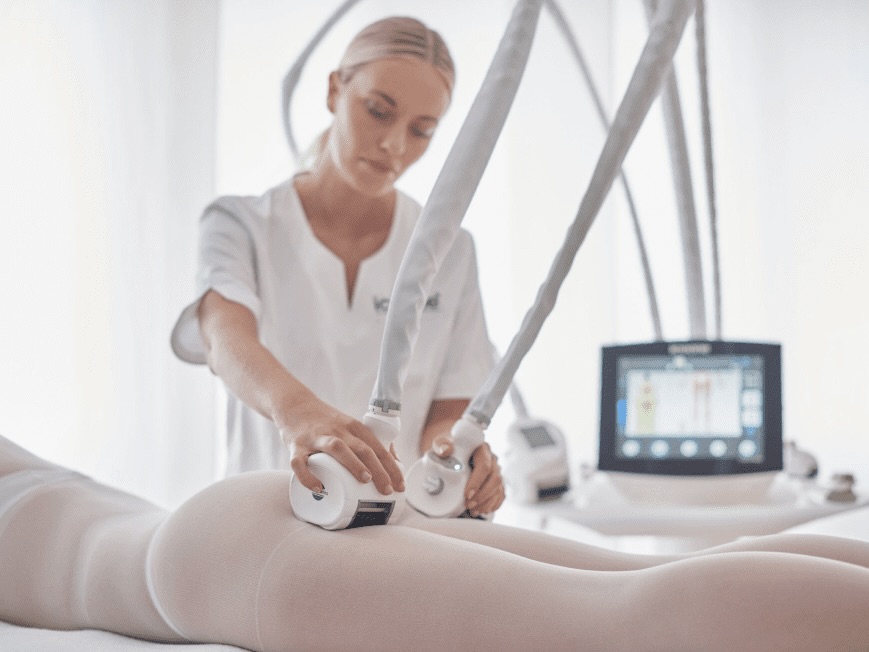
Icoone laser body treatment
Icoone uses motorised handpieces for controlled mechanical stimulation and includes laser energy. It may be considered for selected concerns about uneven texture, firmness or local contour.
Detailed treatment information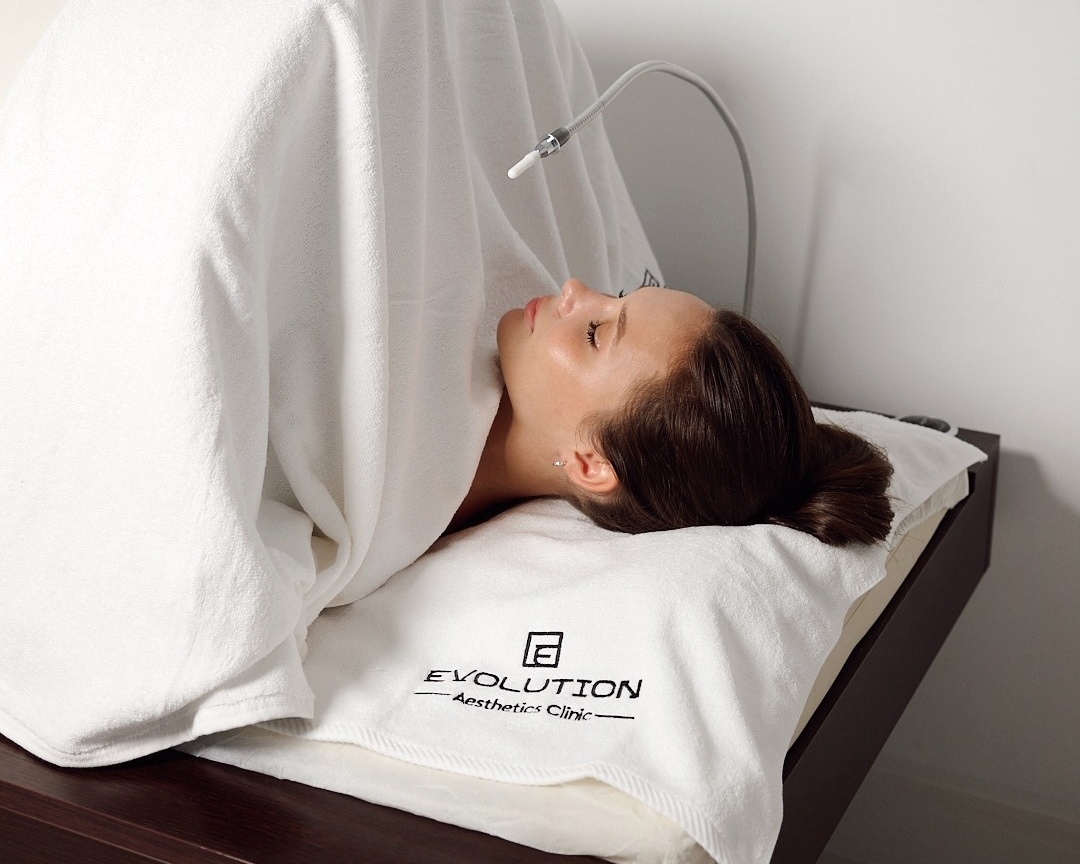
Iyashi Dome infrared capsule
This full-body capsule uses infrared heat. It can be part of a relaxation or recovery plan, but sweating does not remove body fat. A doctor must first check whether heat exposure is suitable for you.
Detailed treatment information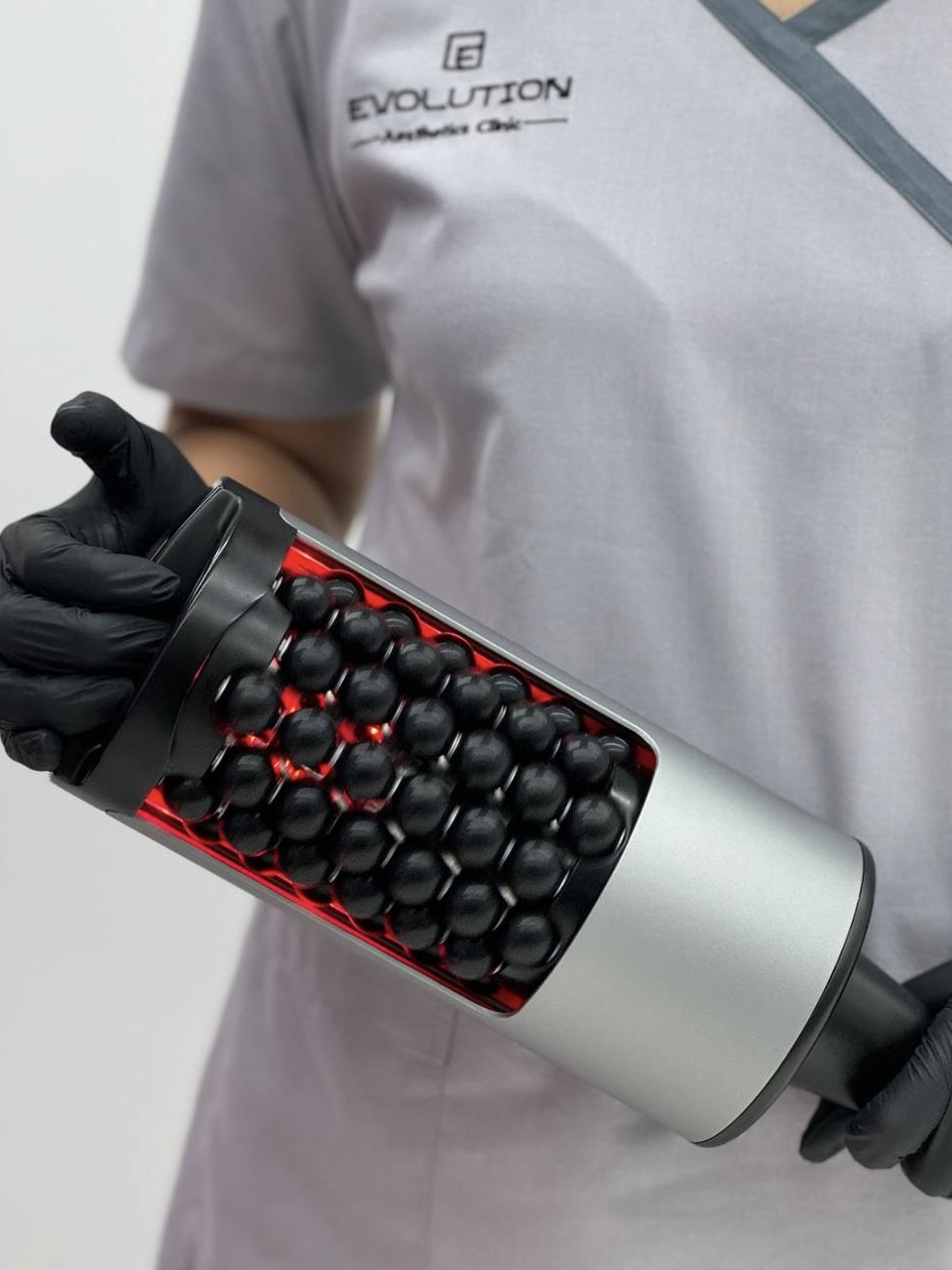
RSL Sculpting body treatment
RSL Sculpting combines mechanical roller stimulation with light. A doctor may discuss it for massage, temporary puffiness support and the appearance of uneven skin texture.
Detailed treatment information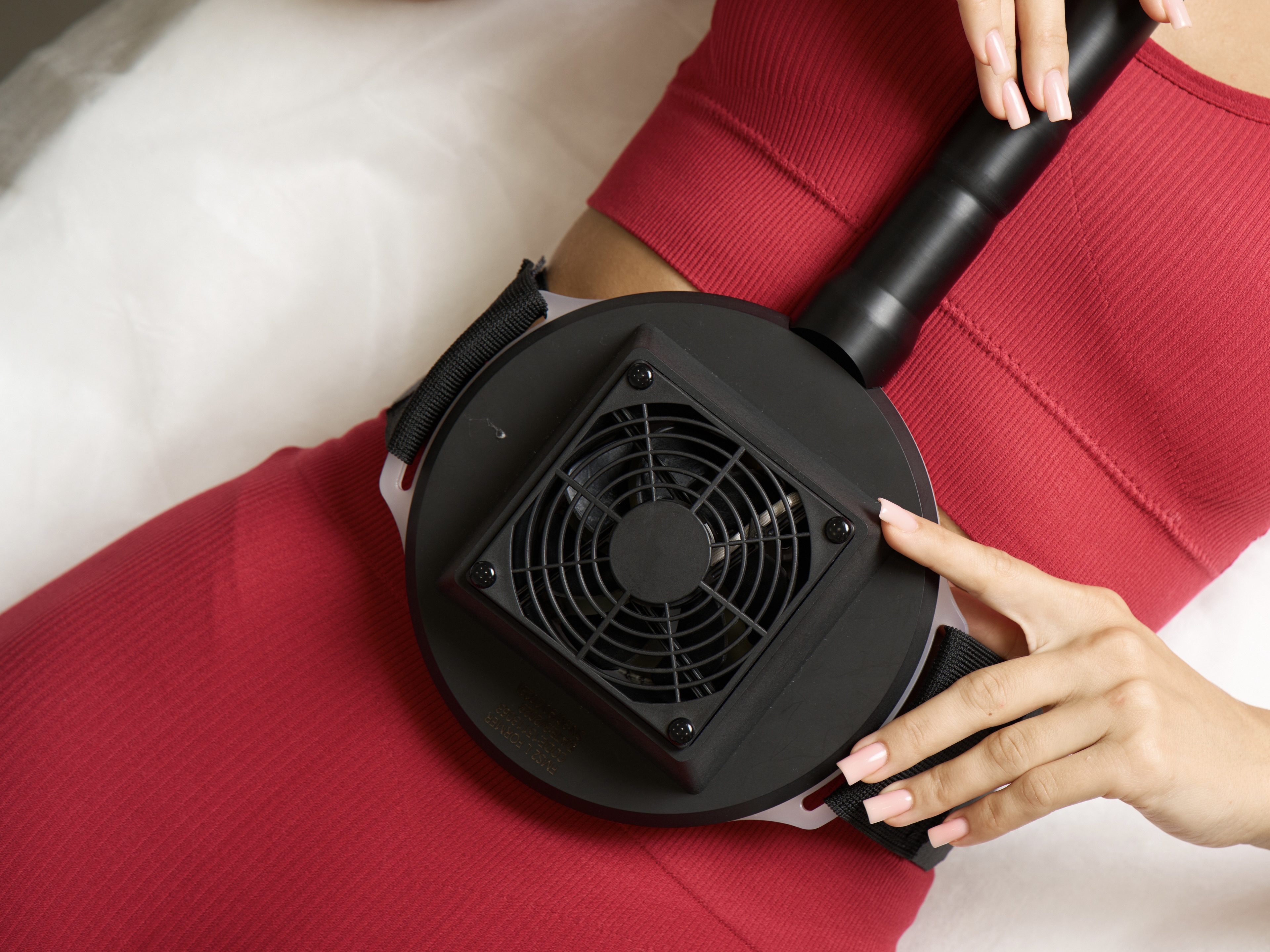
Tesla Former muscle toning
Tesla Former uses electromagnetic energy to cause repeated muscle contractions. It may support muscle-toning goals in a selected area, but it is not a weight-loss treatment.
Detailed treatment information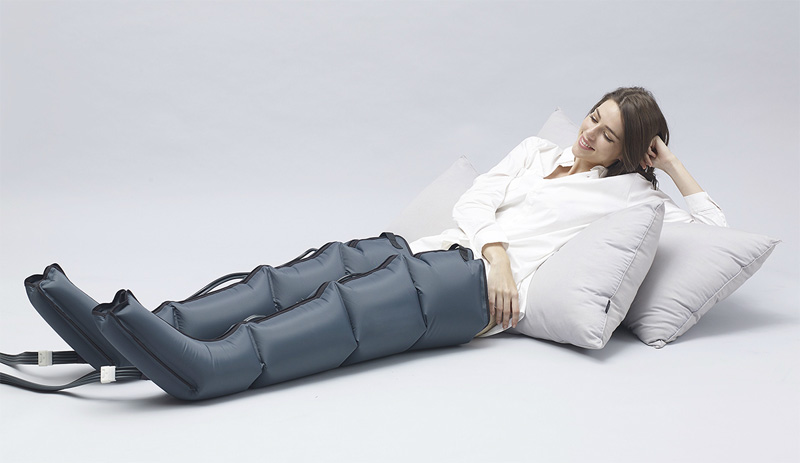
Arosha body wrapping with pressotherapy
This treatment combines a body wrap with controlled compression. It may be considered for short-term fluid-related puffiness and skin-appearance goals after a doctor rules out a medical cause of swelling.
Detailed treatment information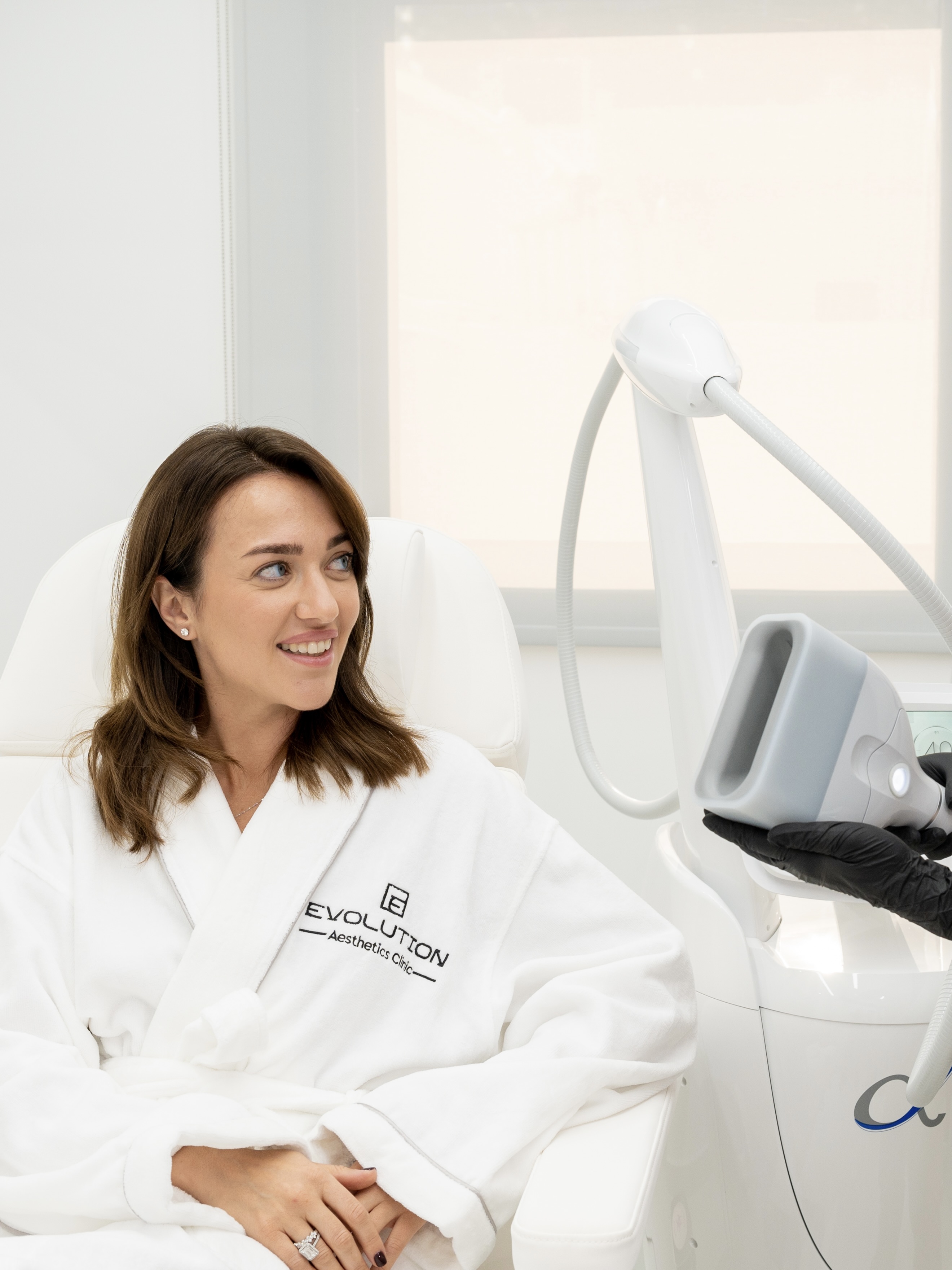
Clatuu cryolipolysis
Cryolipolysis uses controlled cooling for a selected pocket of pinchable fat. It does not treat obesity or cellulite, and a doctor must assess the area and explain the risks before treatment.
Detailed treatment information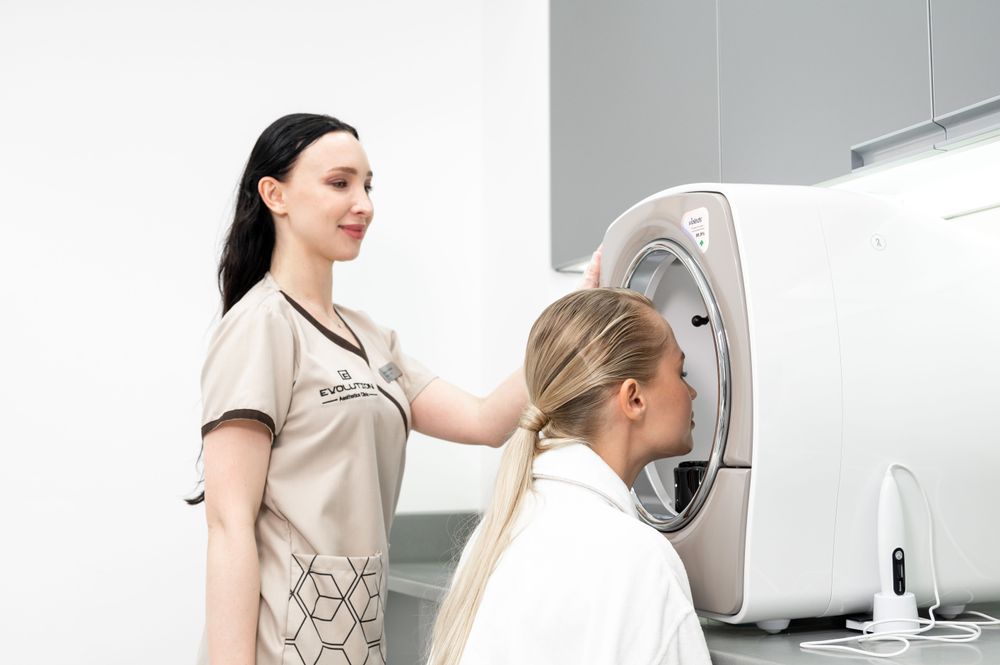 See how the test works
A measured starting point
Start with a 3D skin test
For facial skin improvement goals, the Janus PRO scan gives your doctor objective images and measurements before a treatment plan is made.
It photographs the face with standard, cross-polarised, parallel-polarised and UV light. The system maps visible features such as pores, pigmentation, redness, texture and sebum. Your doctor reviews this information with your medical history and examination to make a more precise facial-skin recommendation. The scan supports the decision; it does not diagnose a condition or select a treatment automatically.