


Your goal
Understanding skin tone and clarity
Pigmentation means that some areas of skin contain more or less colour than the surrounding skin. It can appear as freckles, sun spots, post-acne marks or larger patches such as melasma. Different pigment patterns can look similar, but they need different care. A doctor first identifies the likely cause, pigment depth and skin type.
What influences it
What influences skin tone?
Sun and visible light
Light exposure can make pigment-producing cells more active. It can create new marks and make an existing condition such as melasma more visible.
Inflammation or injury
Acne, eczema, irritation, burns and other skin injuries can leave a dark mark after the skin heals. This is called post-inflammatory hyperpigmentation.
Hormonal change
Pregnancy, some contraceptives and other hormonal changes can trigger or worsen melasma in some people.
Skin tone and genetics
Inherited features affect how the skin makes pigment and how strongly it responds to inflammation and light.
Medicines and skin products
Some medicines increase light sensitivity. An irritating skin or hair product can also start inflammation that leaves a dark mark.
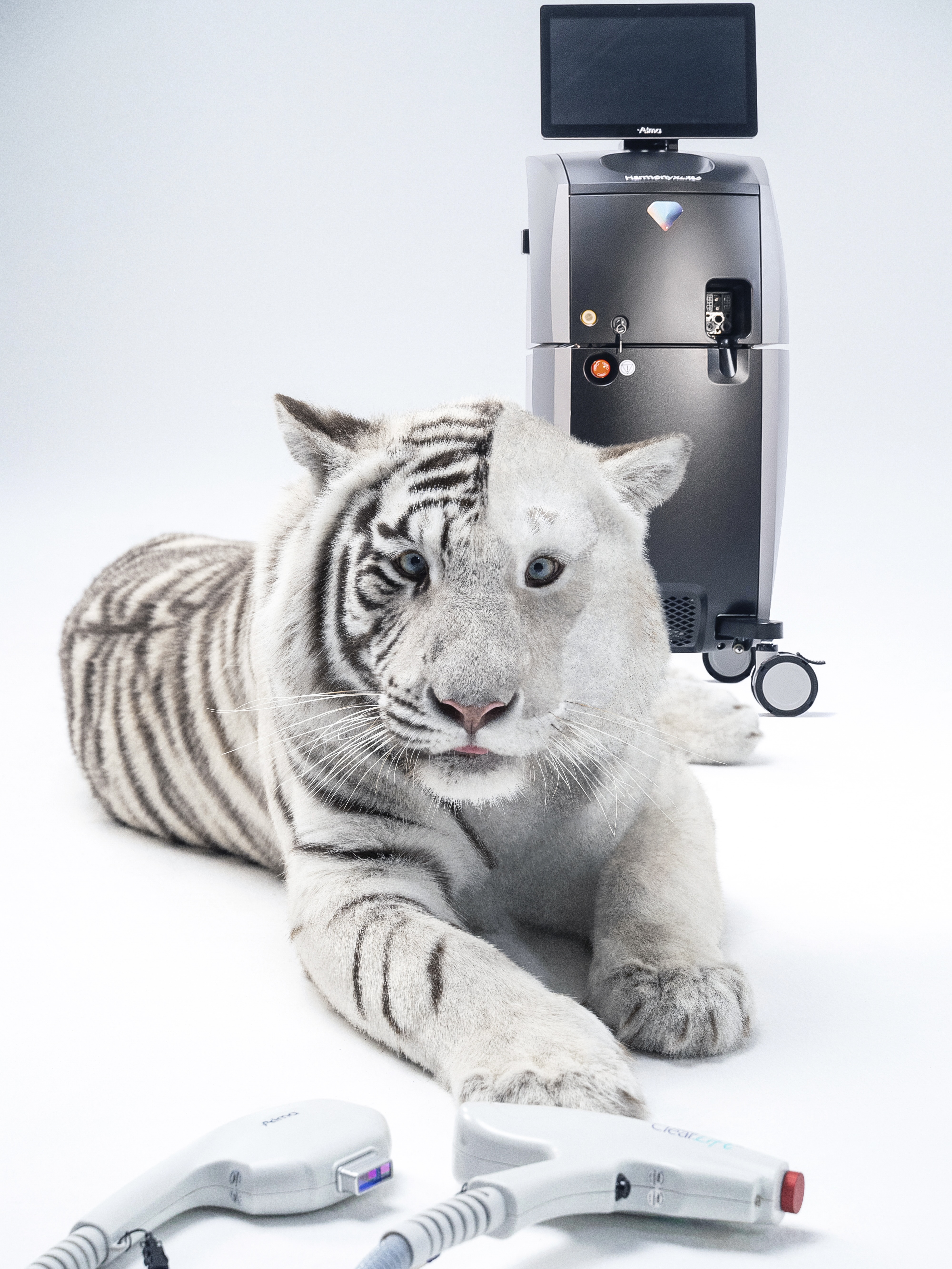
White Gloss pigmentation protocol
This Alma Harmony XL PRO protocol combines laser and light steps that target selected pigment at different skin depths. A doctor chooses settings after checking the pigment pattern, skin tone and recent sun exposure.
Detailed treatment information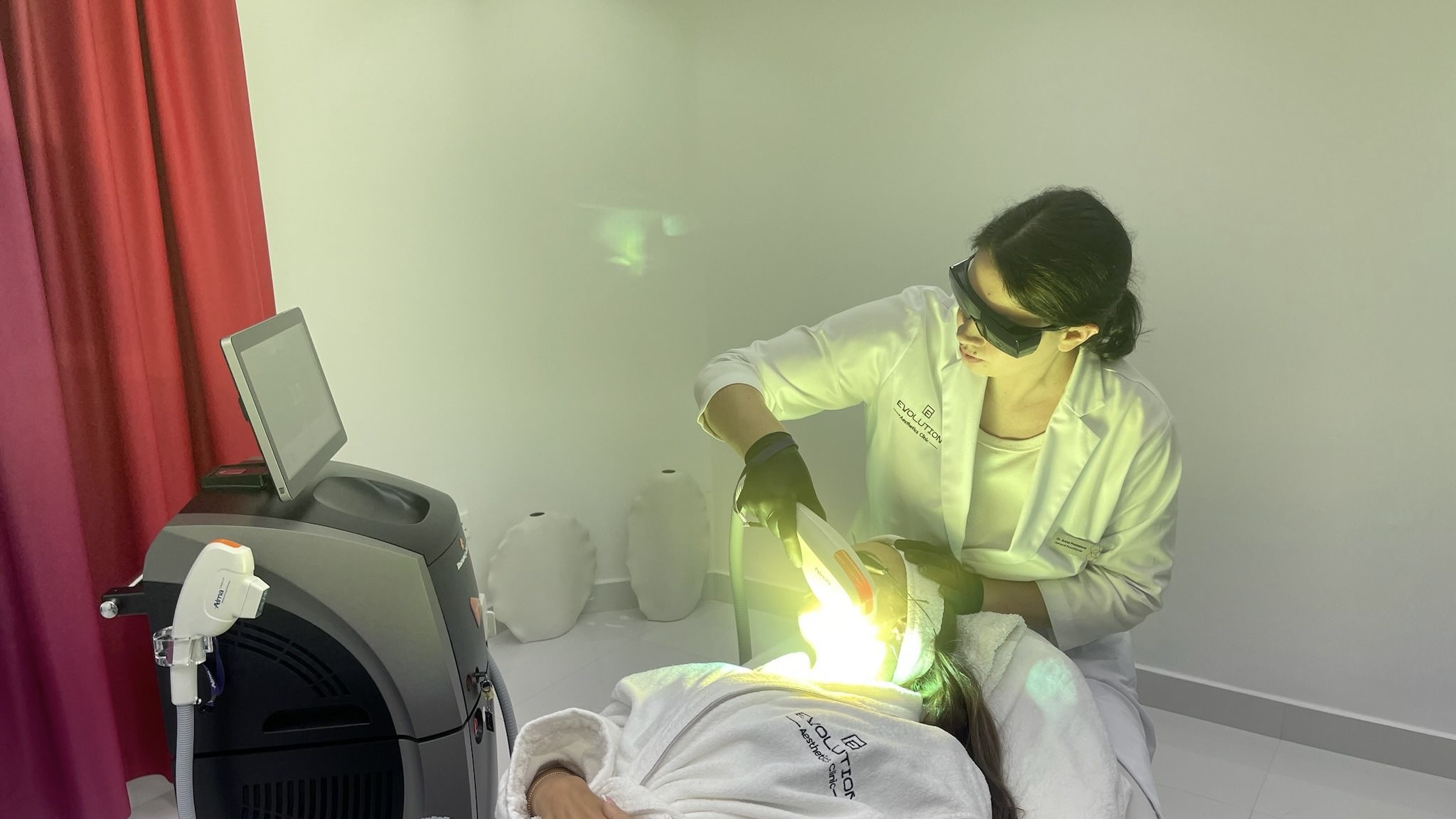
IPL hyperpigmentation treatment
Intense pulsed light can target excess melanin in selected sun spots, freckles and areas of uneven tone. It is not suitable for every pigment condition or skin state, so diagnosis comes before treatment.
Detailed treatment information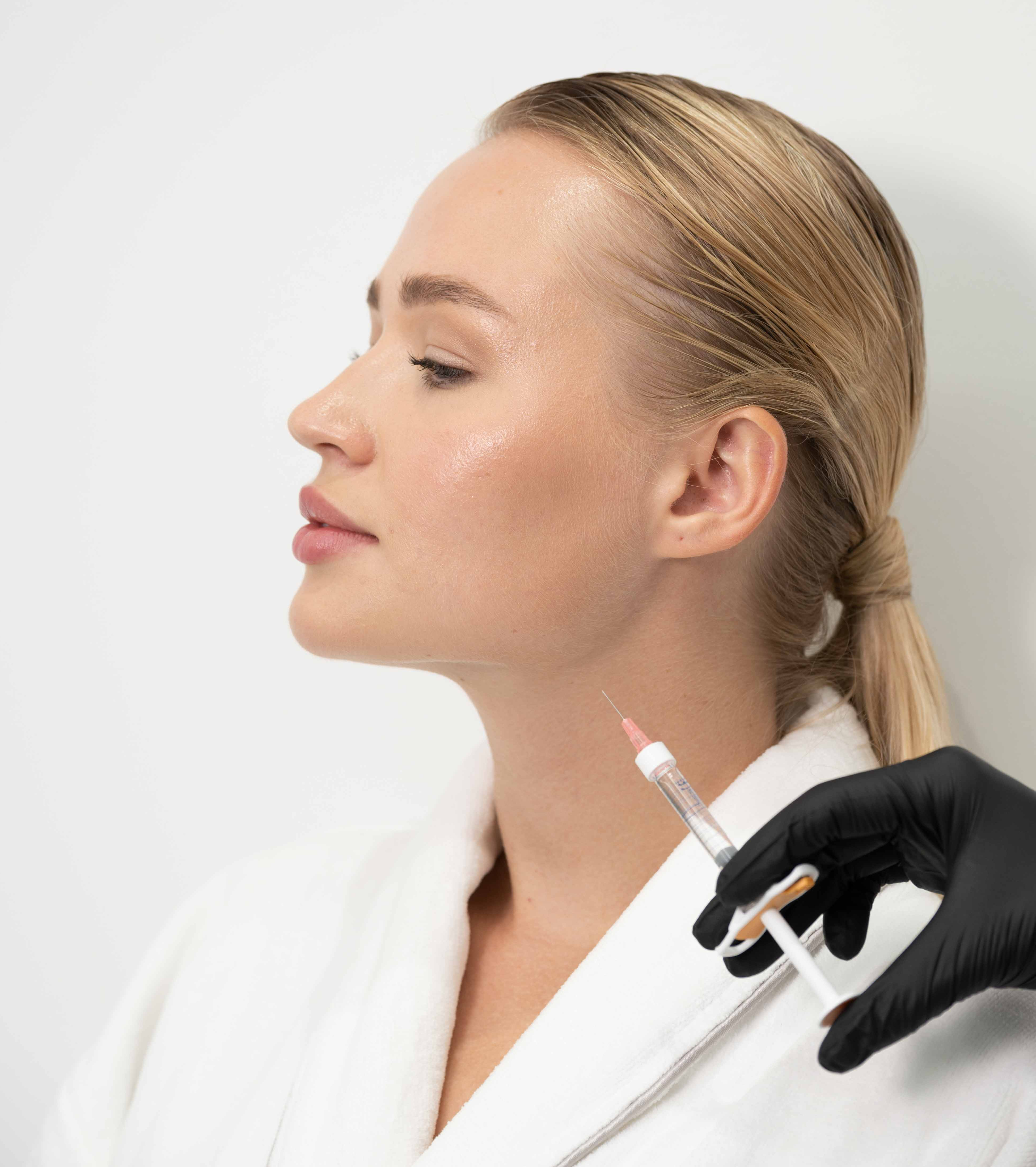
NCTF pigmentation-barrier skin booster
This injectable skin booster combines light hyaluronic acid with other ingredients to support hydration and skin quality. A doctor may use it as one part of a plan for uneven-looking skin, not as a direct replacement for pigment treatment.
Detailed treatment information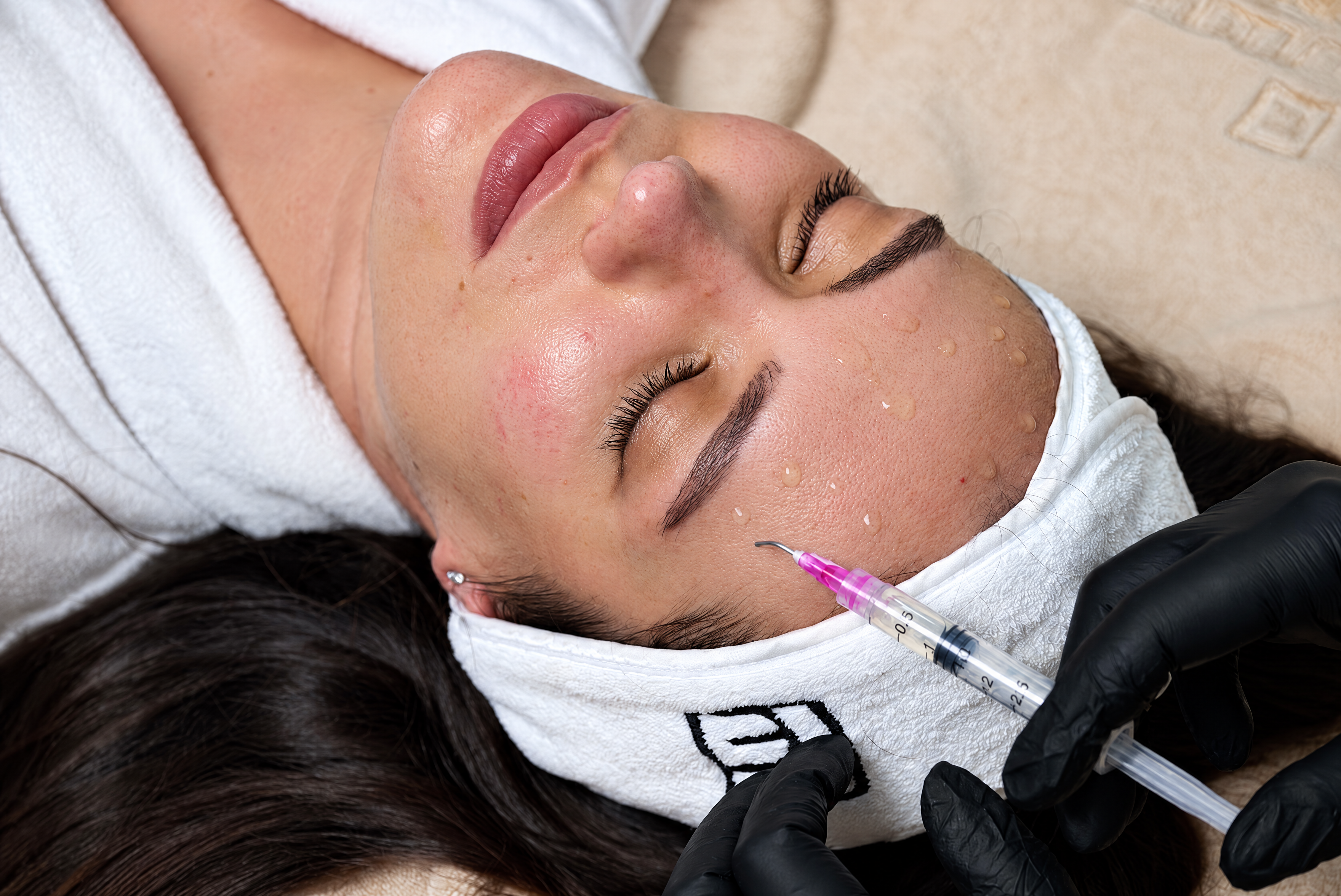
PRX-T33 medium-depth peel
A controlled chemical peel can remove selected damaged surface layers and improve some forms of uneven tone. Peel strength and preparation must match the skin because inflammation can also create new dark marks.
Detailed treatment information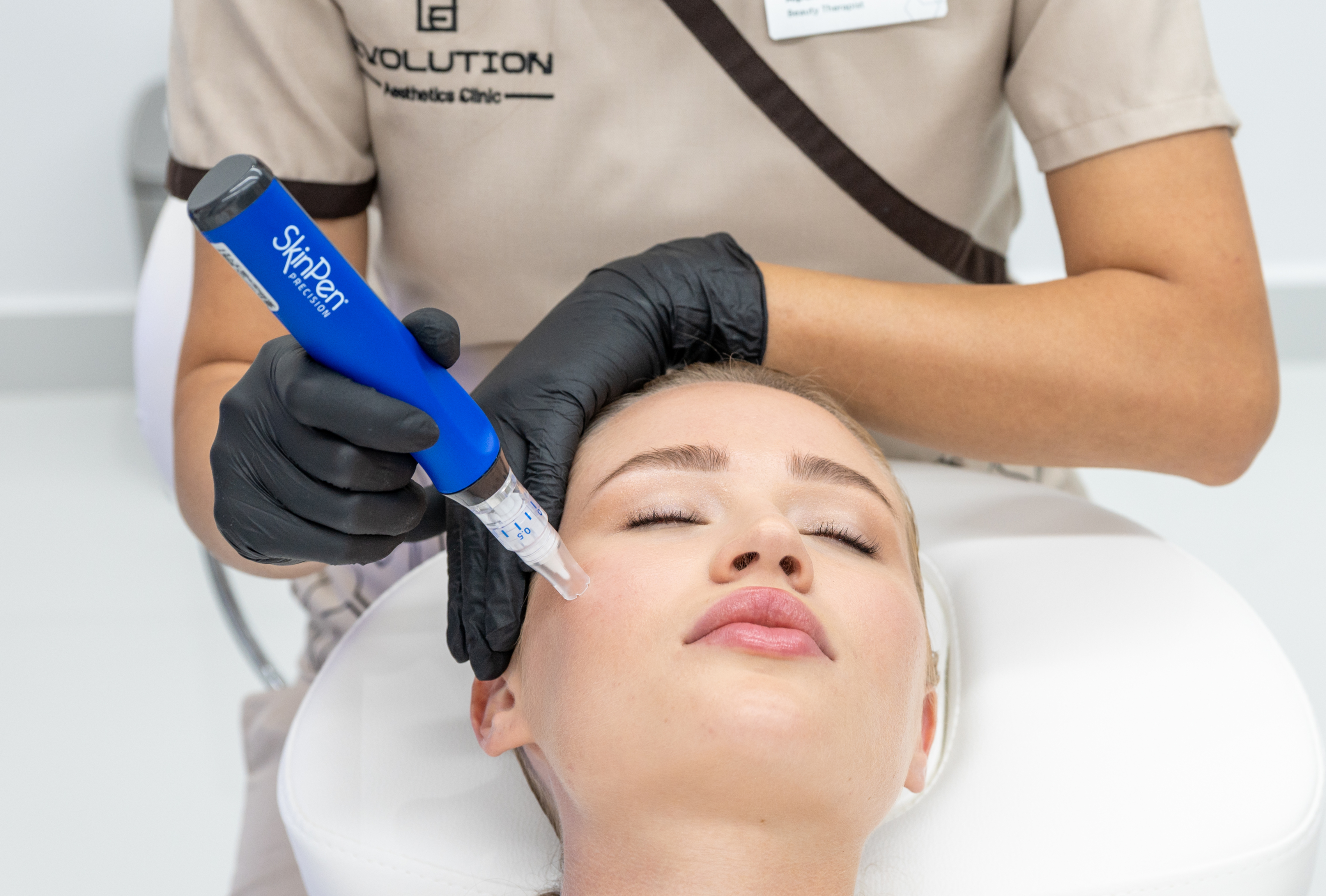
SkinPen microneedling
Medical microneedling creates controlled microchannels to support collagen renewal. A doctor may discuss it when uneven tone occurs with texture change or acne marks, after active inflammation is controlled.
Detailed treatment information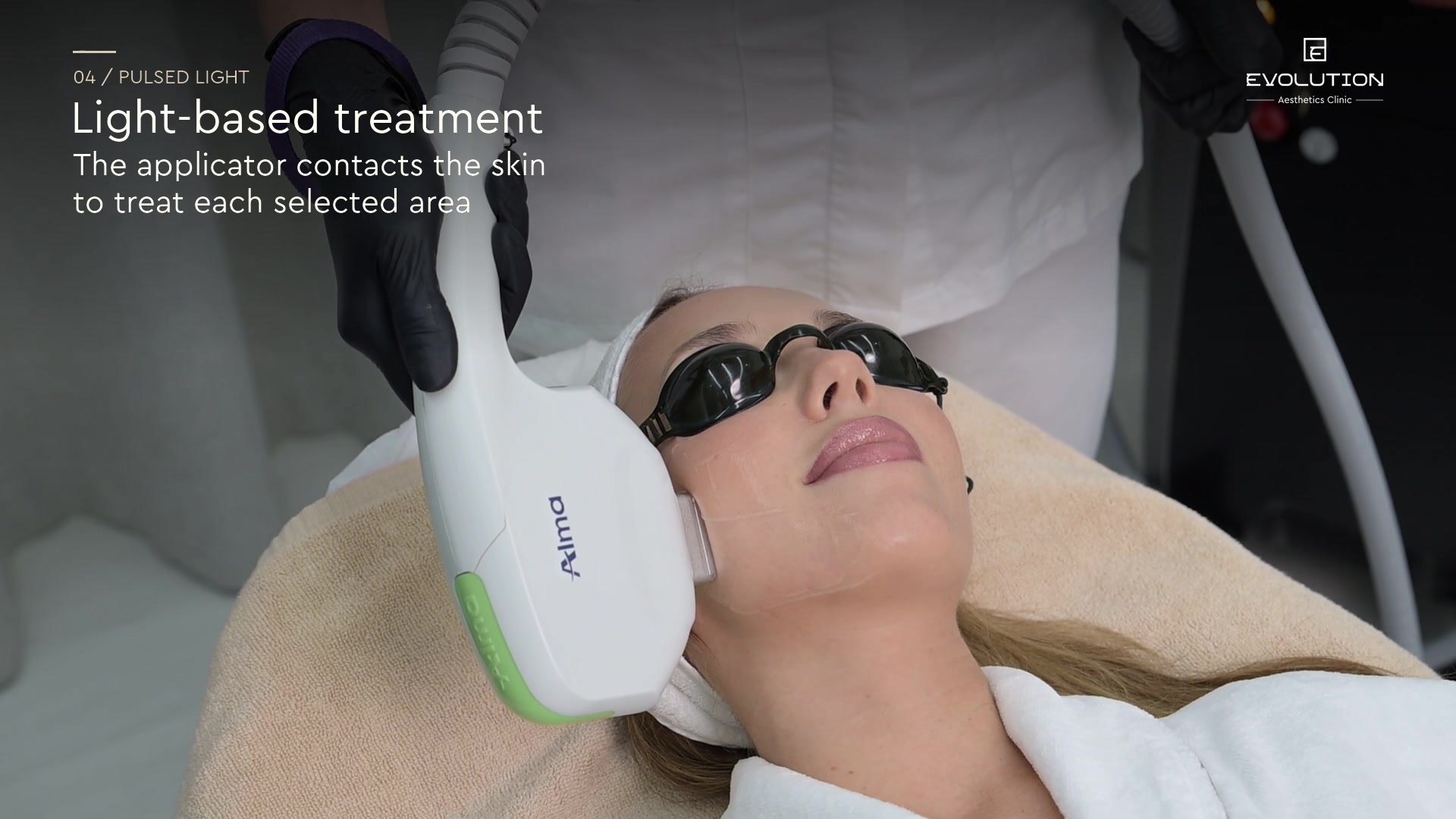
No Filters laser treatment
This combined Alma Harmony XL PRO protocol uses several laser and light steps for mixed concerns such as pigment, visible vessels and uneven texture. Each step is selected from the findings of the skin assessment.
Detailed treatment information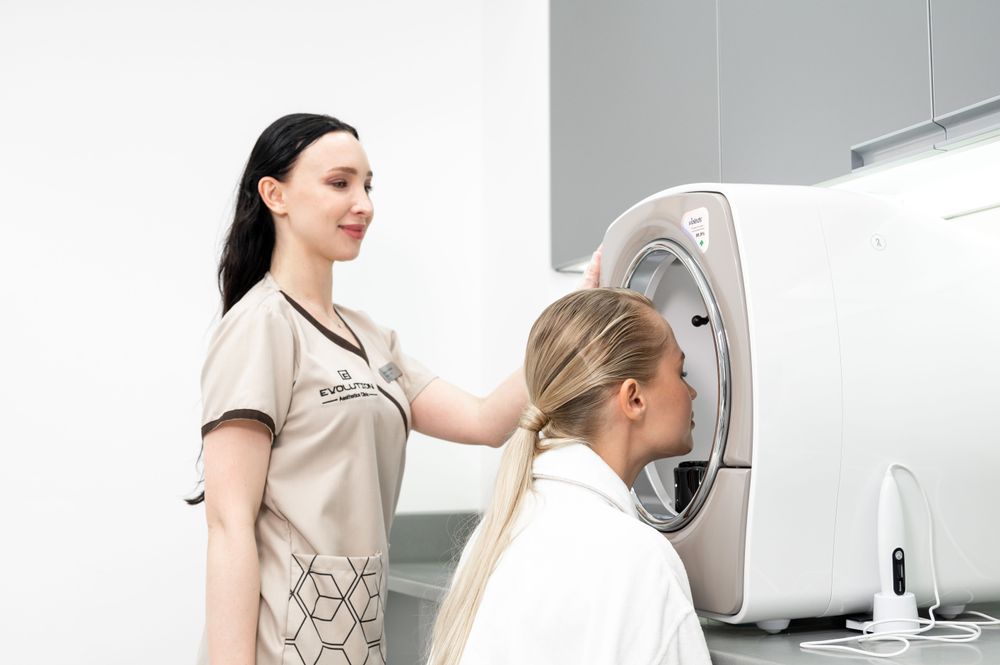 See how the test works
A measured starting point
Start with a 3D skin test
For facial skin improvement goals, the Janus PRO scan gives your doctor objective images and measurements before a treatment plan is made.
It photographs the face with standard, cross-polarised, parallel-polarised and UV light. The system maps visible features such as pores, pigmentation, redness, texture and sebum. Your doctor reviews this information with your medical history and examination to make a more precise facial-skin recommendation. The scan supports the decision; it does not diagnose a condition or select a treatment automatically.