


Your goal
Understanding hair density and scalp health
Hair shedding is an increase in hairs that fall out, while hair loss happens when growth slows or stops in an area. You may see a wider part, a receding hairline, a thinner ponytail or separate patches. Many conditions can look similar, so the scalp and hair pattern must be examined before a treatment is selected.
What influences it
What influences hair density?
Inherited pattern hair loss
Genes and hormone sensitivity can gradually make follicles smaller. This can cause a widening part, a receding hairline or thinning over the top of the scalp.
Stress on the body
Illness, surgery, high fever, childbirth, major weight loss or severe emotional stress can cause increased shedding several weeks or months later.
Hormone or nutrient problems
Thyroid disease, iron deficiency and some hormone changes can affect hair growth. A doctor may use blood tests when the history or examination suggests these causes.
Scalp or immune conditions
Inflammation, infection and autoimmune disease can cause patches, scaling, itching or more general hair loss.
Hair care, tension or medicines
Tight hairstyles, repeated chemical or heat damage and some medicines can cause breakage or hair loss. Do not stop prescribed medicine without speaking to the prescribing doctor.
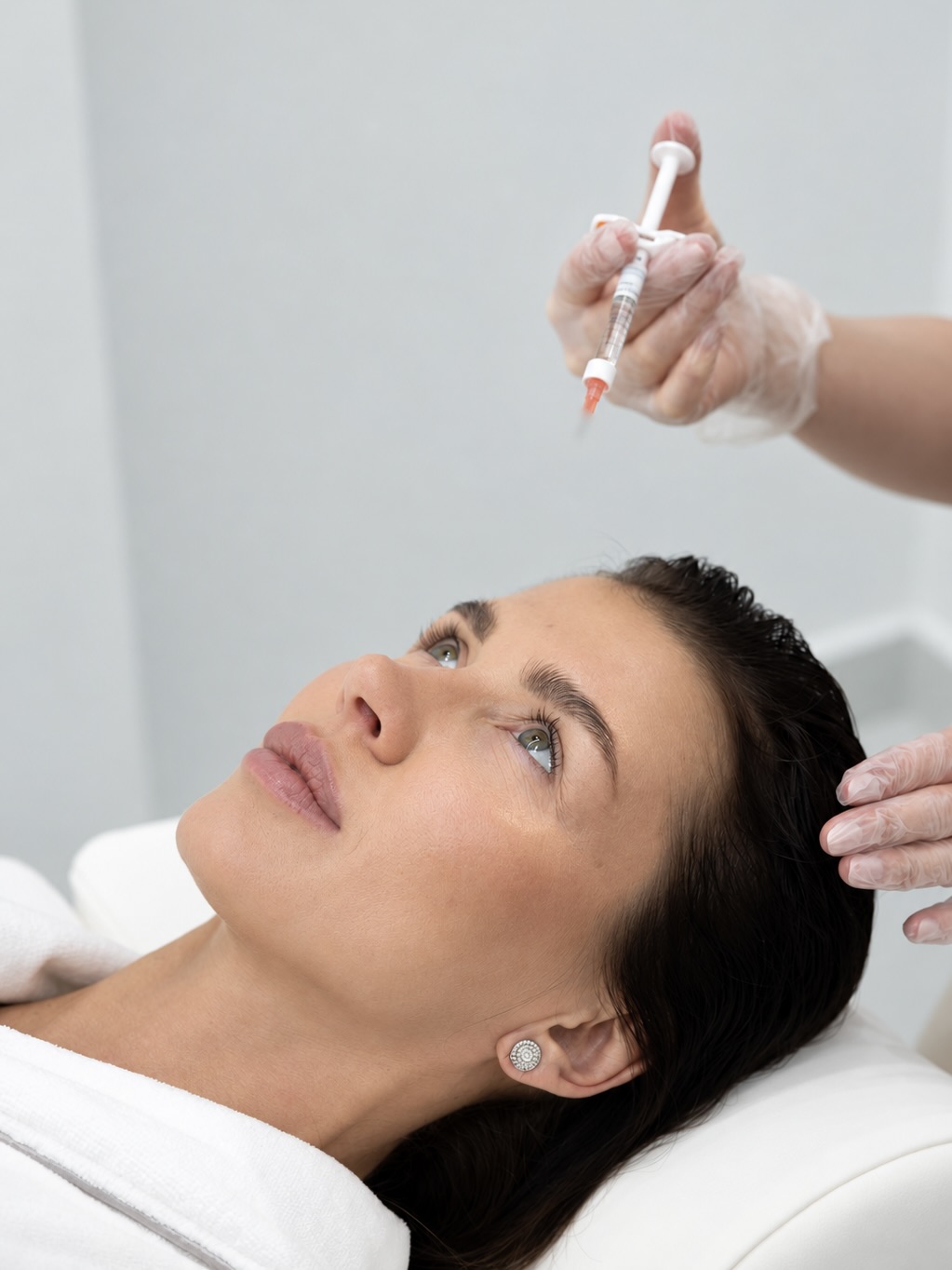
PRP hair treatment
PRP uses a concentrated part of your own blood and places it into selected thinning areas. Research shows possible benefit for some pattern hair loss, but results and treatment methods vary.
Detailed treatment information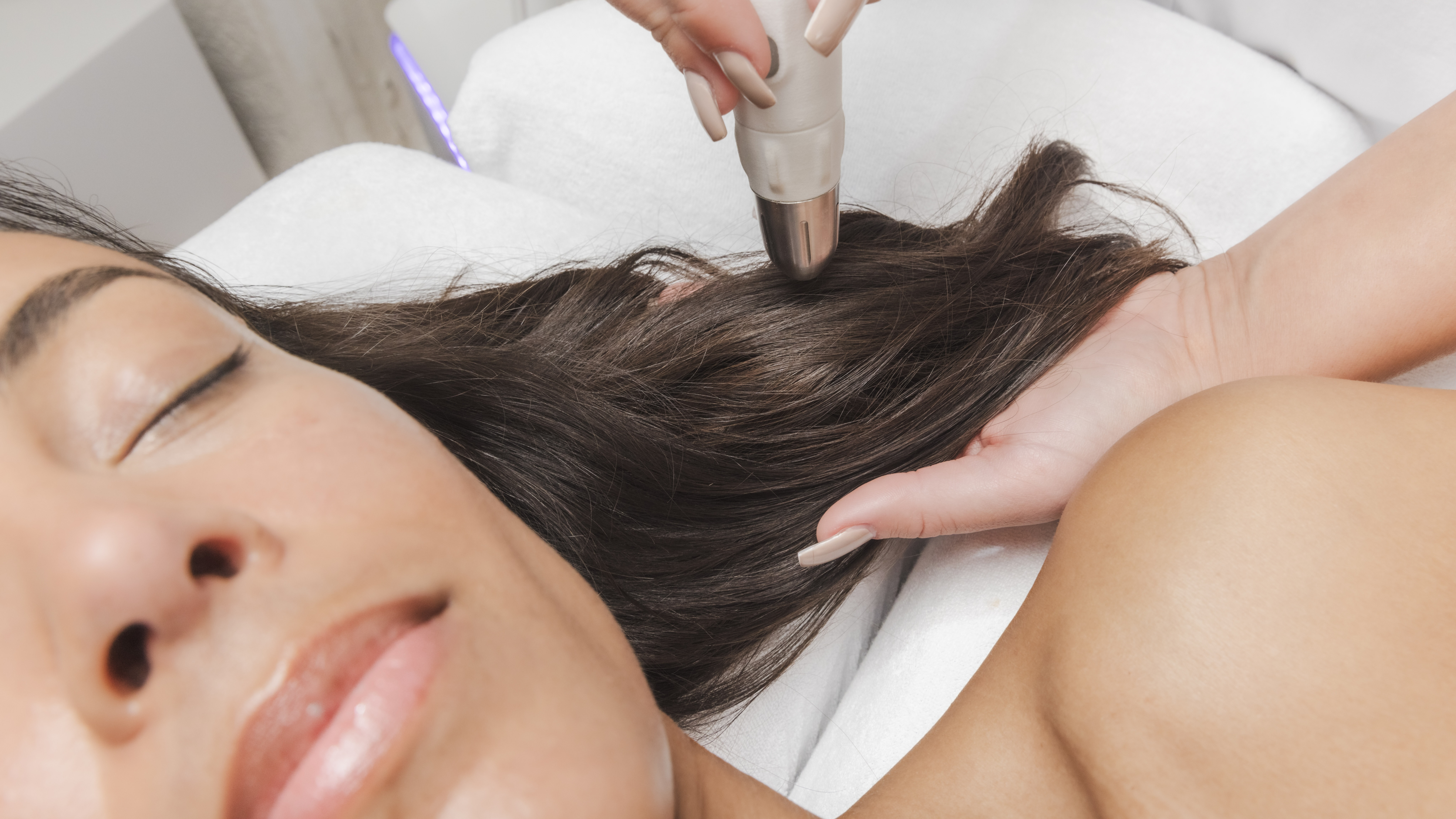
Dermadrop needle-free hair mesotherapy
Dermadrop applies selected scalp ingredients without needles. A doctor may discuss it when scalp comfort or surface support is part of the plan, but it does not treat every cause of hair loss.
Detailed treatment information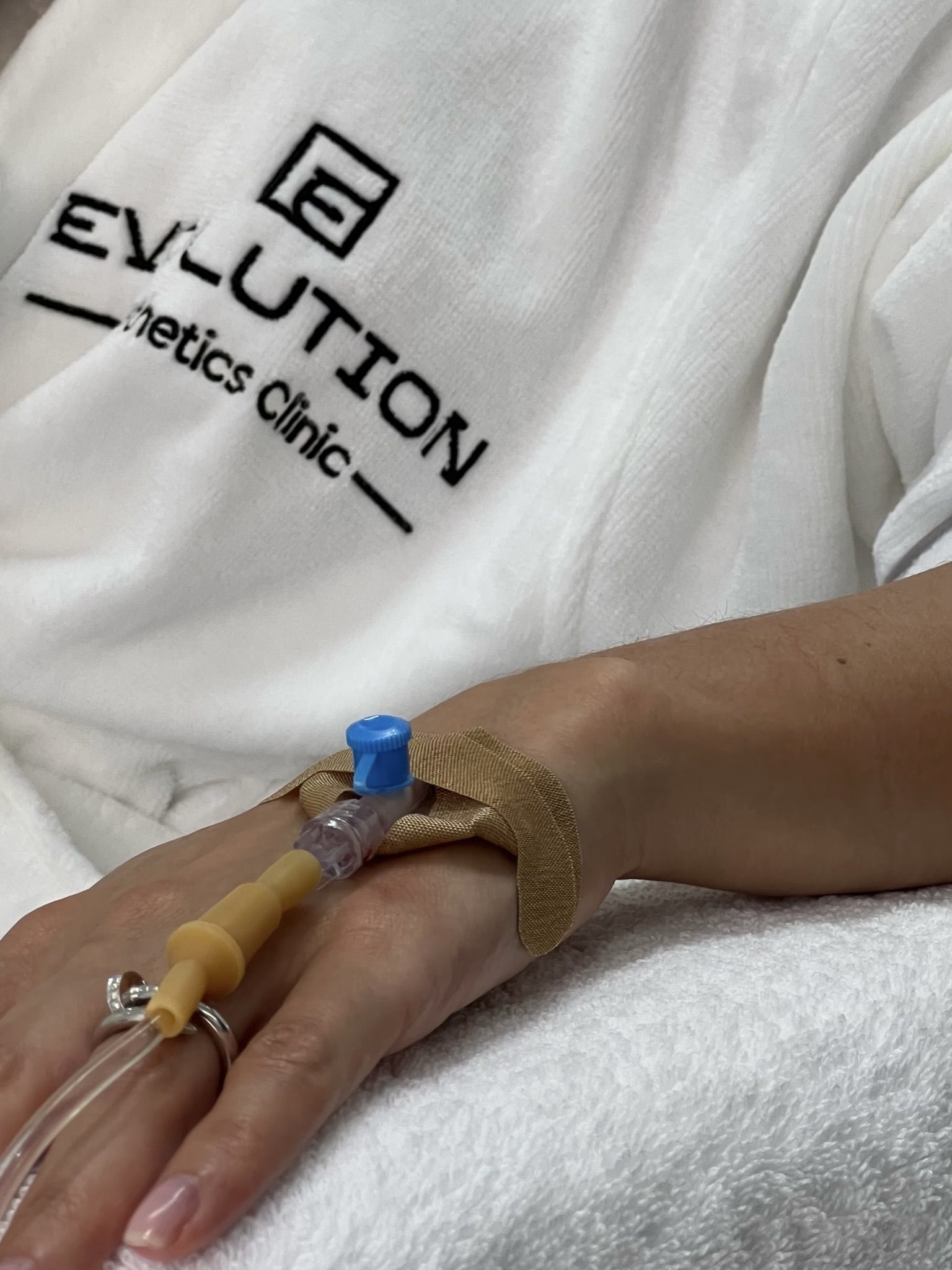
Anti-hair Loss IV drip
This IV option provides selected vitamins and minerals. It is not a general cure for hair loss and should only be considered when a doctor has assessed the cause and confirmed that the ingredients are appropriate.
Detailed treatment information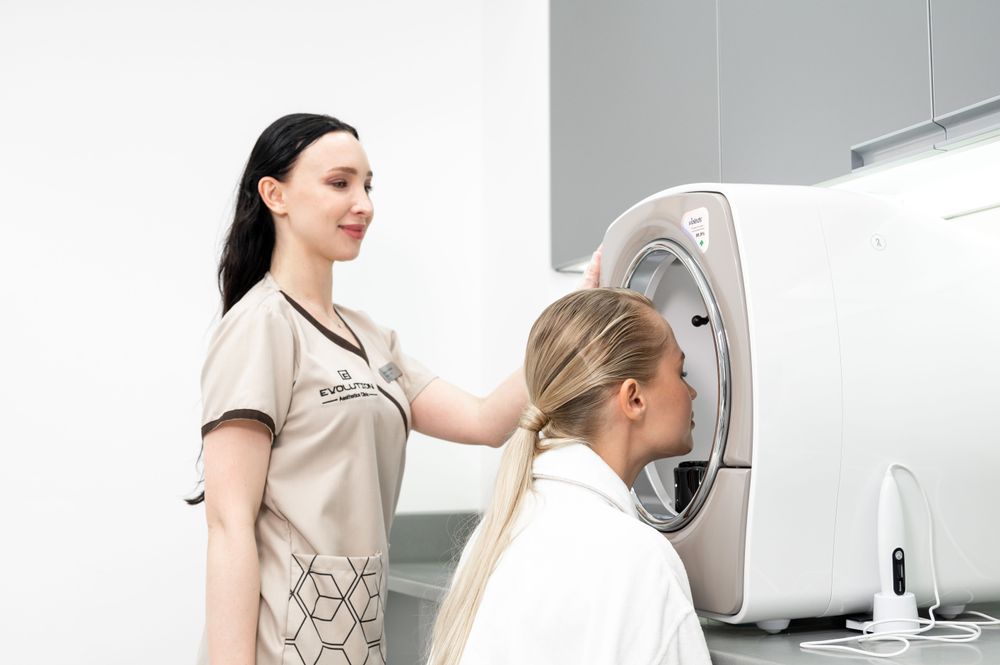 See how the test works
A measured starting point
Start with a 3D skin test
For facial skin improvement goals, the Janus PRO scan gives your doctor objective images and measurements before a treatment plan is made.
It photographs the face with standard, cross-polarised, parallel-polarised and UV light. The system maps visible features such as pores, pigmentation, redness, texture and sebum. Your doctor reviews this information with your medical history and examination to make a more precise facial-skin recommendation. The scan supports the decision; it does not diagnose a condition or select a treatment automatically.