


Your goal
Understanding facial volume and balance
Facial volume loss means that an area has less soft-tissue support or looks flatter than before. It can affect the cheeks, temples, lips and the area around the mouth. A contour concern can also come from facial structure or tissue position, so adding volume is not always the correct treatment.
What influences it
What shapes facial volume and contour?
Changes in facial fat
Fat compartments can lose volume or change position with age. This can affect cheek shape and the transitions between facial areas.
Changes in bone and supporting tissue
The facial skeleton and deeper supporting tissues also change with age. These changes can alter the support below the skin.
Skin ageing and sun exposure
Lower collagen levels and accumulated ultraviolet damage can reduce skin strength and make a contour change more visible.
Genetics and weight change
Inherited facial structure and major weight changes can affect facial fullness. The pattern and rate of change are different for each person.
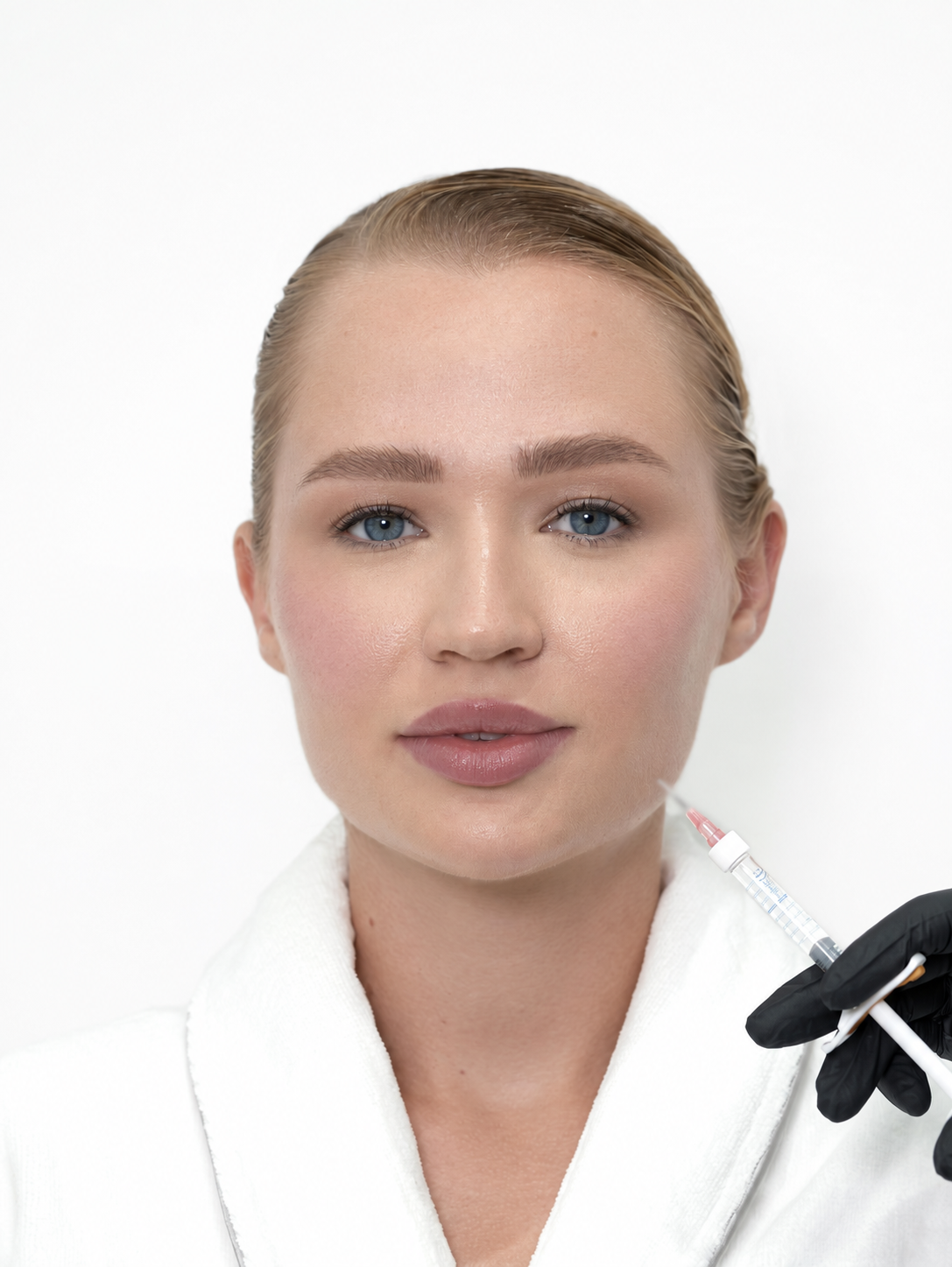
Face fillers
A doctor can place hyaluronic acid filler in selected areas to add support or adjust a contour. The product, amount and injection area depend on anatomy. Some facial areas have higher vascular risk and need particular care.
Detailed treatment information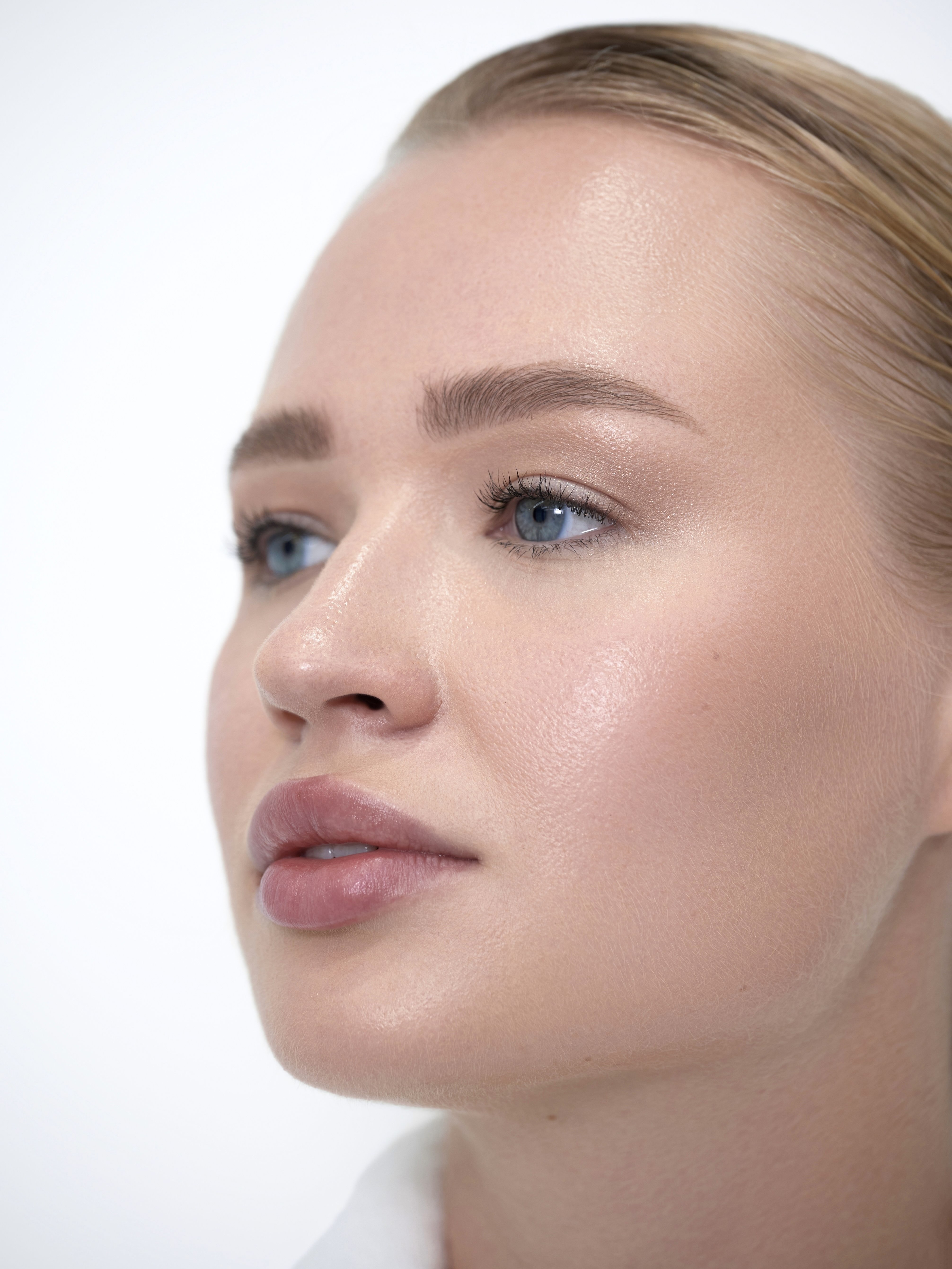
Lip filler
Lip filler can adjust selected changes in lip volume, border or proportion. A doctor should plan the amount in relation to the whole face, natural lip movement and the person's existing anatomy.
Detailed treatment information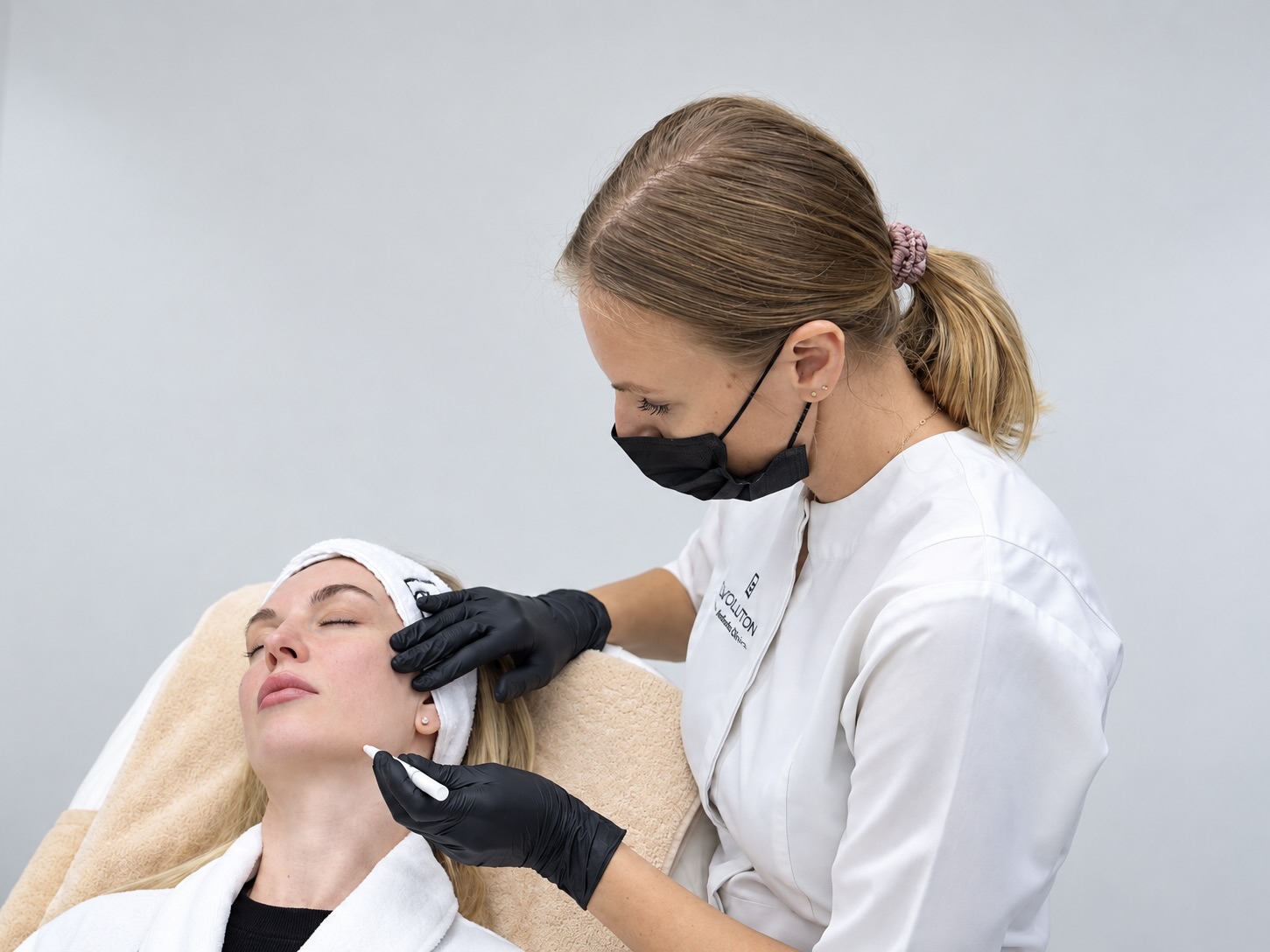
Sculptra collagen stimulation
This injectable treatment supports a gradual collagen response and can add support in selected facial areas. The change develops over time, so it is different from an immediate hyaluronic filler result.
Detailed treatment information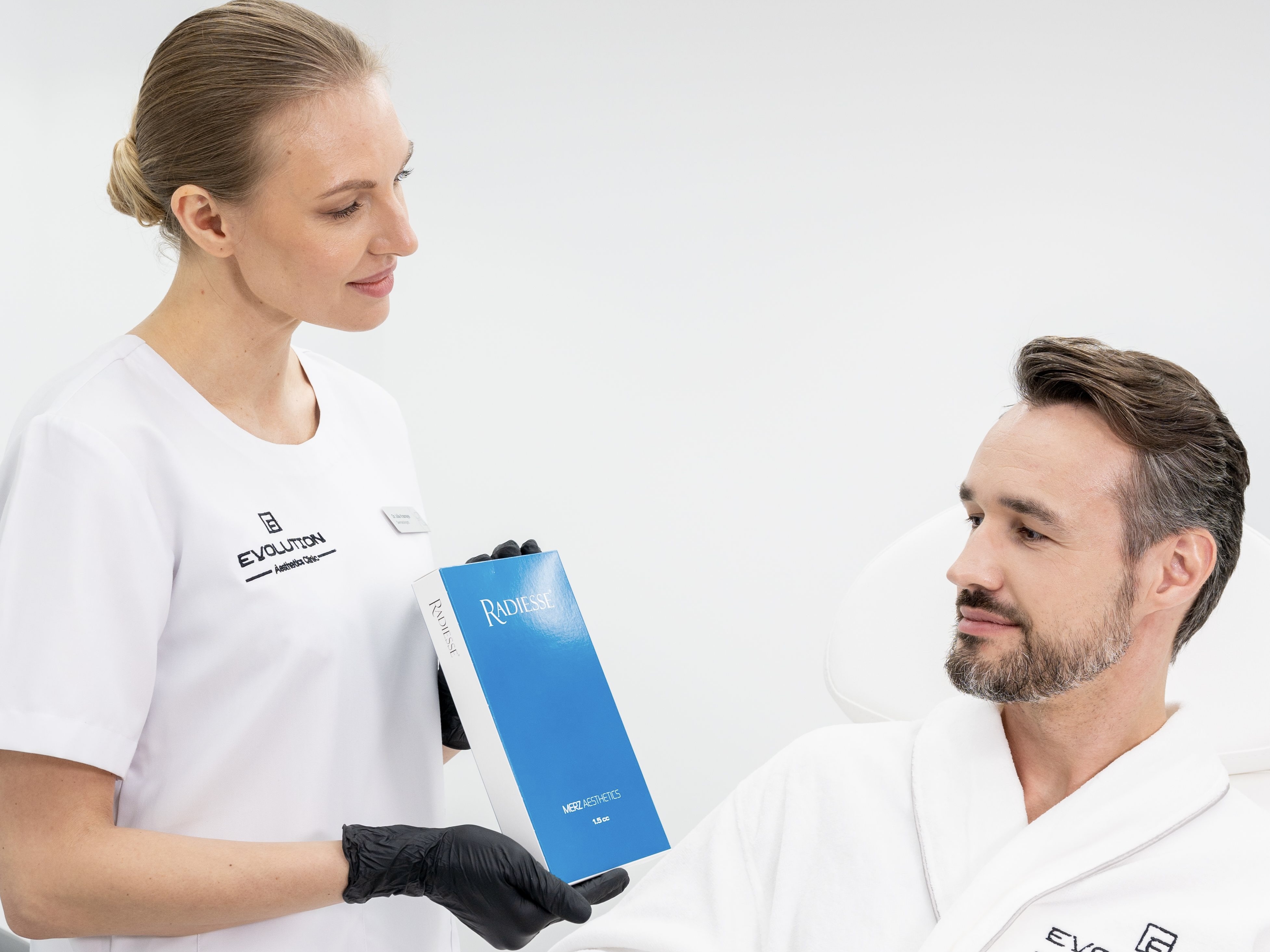
Radiesse collagen stimulator
This injectable option can give structural support and stimulate collagen. A doctor may consider it for selected contour goals, but its material and properties are not suitable for every area.
Detailed treatment information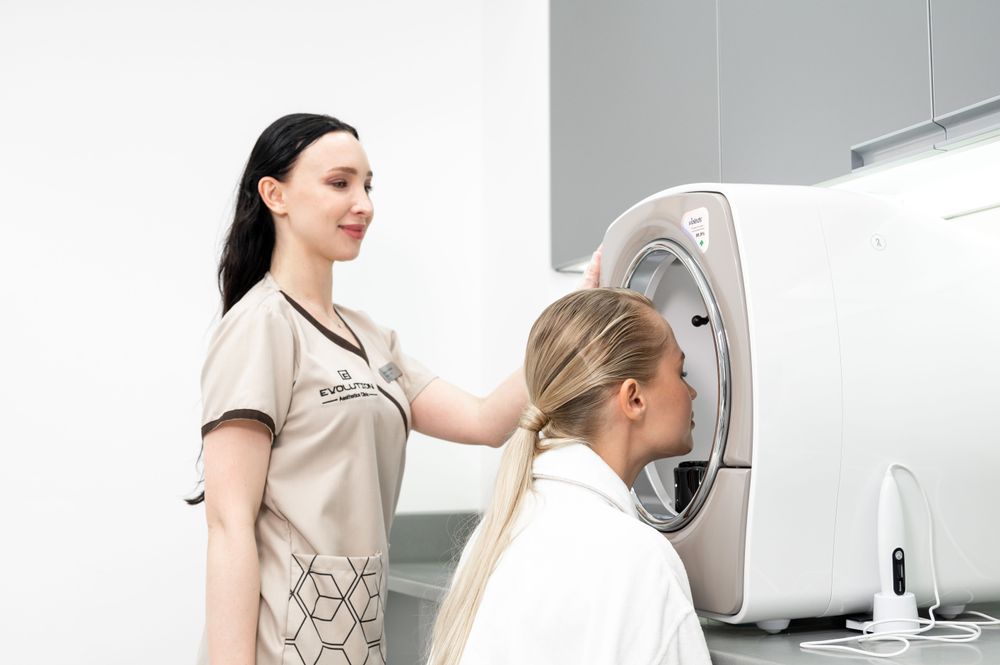 See how the test works
A measured starting point
Start with a 3D skin test
For facial skin improvement goals, the Janus PRO scan gives your doctor objective images and measurements before a treatment plan is made.
It photographs the face with standard, cross-polarised, parallel-polarised and UV light. The system maps visible features such as pores, pigmentation, redness, texture and sebum. Your doctor reviews this information with your medical history and examination to make a more precise facial-skin recommendation. The scan supports the decision; it does not diagnose a condition or select a treatment automatically.