


Your goal
Understanding skin firmness and facial support
Facial sagging means that the skin and the structures below it give less support than before. It can show as softer cheeks, early jowls, loose skin under the chin or a jawline that looks less clear. It is a normal change, but its timing and pattern are different for every person.
What influences it
What affects skin firmness?
Natural changes with age
Skin gradually makes less collagen and elastin. It can become thinner, drier and less able to return to its former shape.
Changes below the skin
The face also changes in its fat, muscles, supporting tissues and bone. These changes can affect the cheeks, lower face and jawline.
Sun exposure and smoking
Ultraviolet light damages collagen over time. Smoking can also make visible skin ageing happen sooner.
Genetics and weight change
Your facial structure, inherited skin features and major weight changes can affect when laxity appears and where it is most visible.
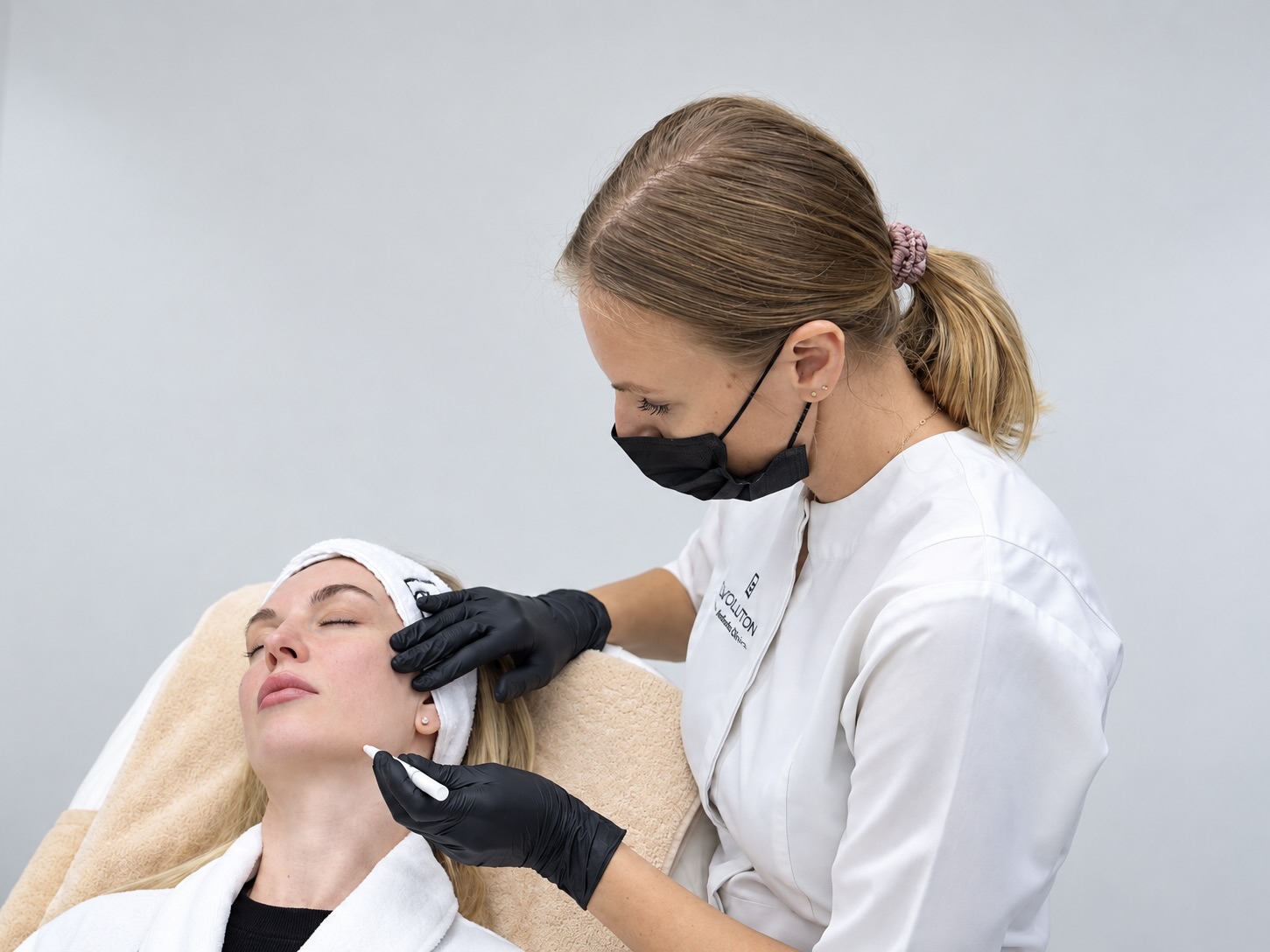
Sculptra collagen stimulation
This injectable treatment is used to support gradual collagen renewal and restore selected areas of facial support. The change develops over time, so it is not an instant lifting treatment.
Detailed treatment information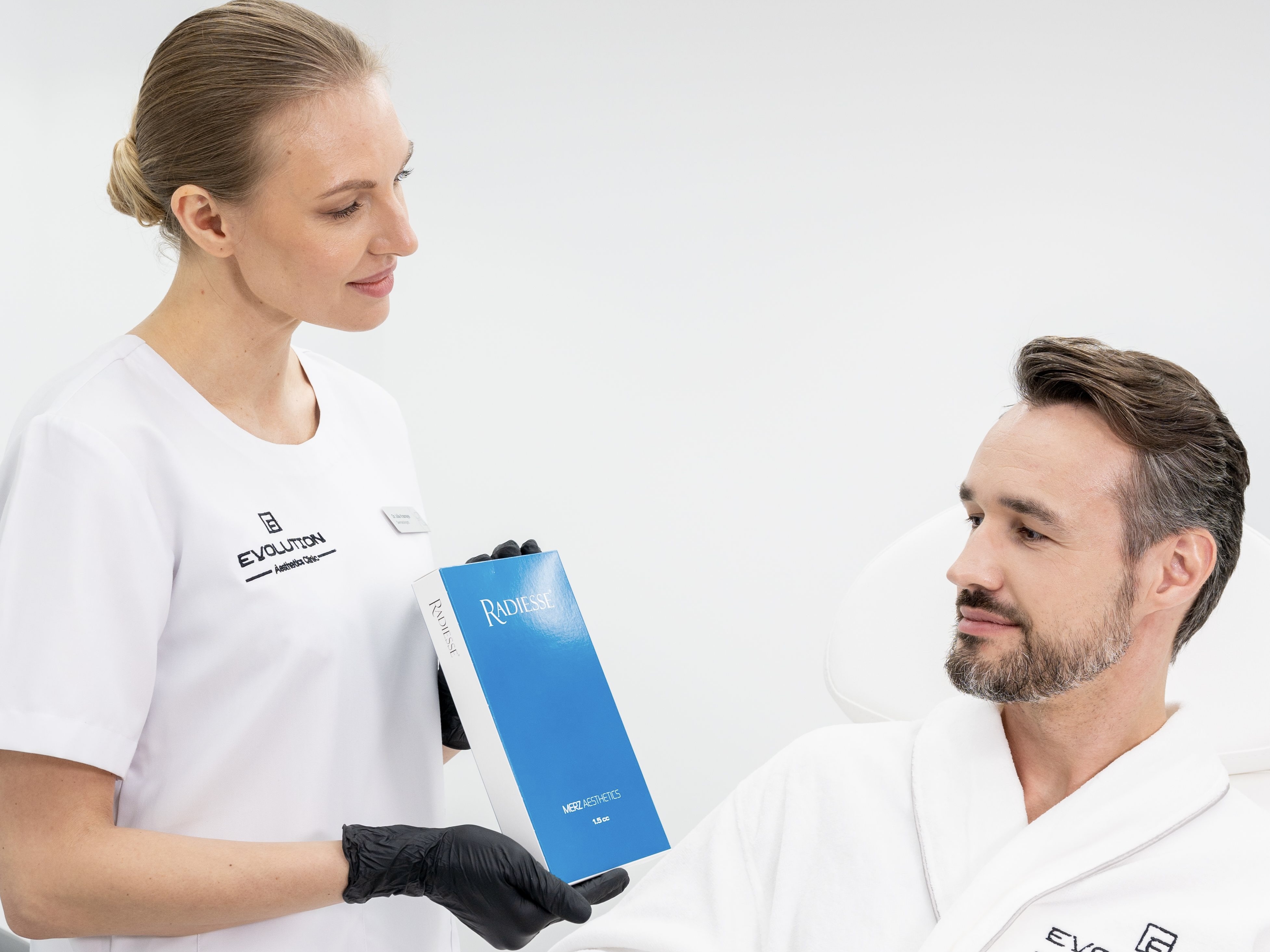
Radiesse collagen stimulator
This injectable option can give structural support and stimulate collagen. A doctor may consider it for selected cheek, lower-face or jawline goals, but it is not suitable for every facial area.
Detailed treatment information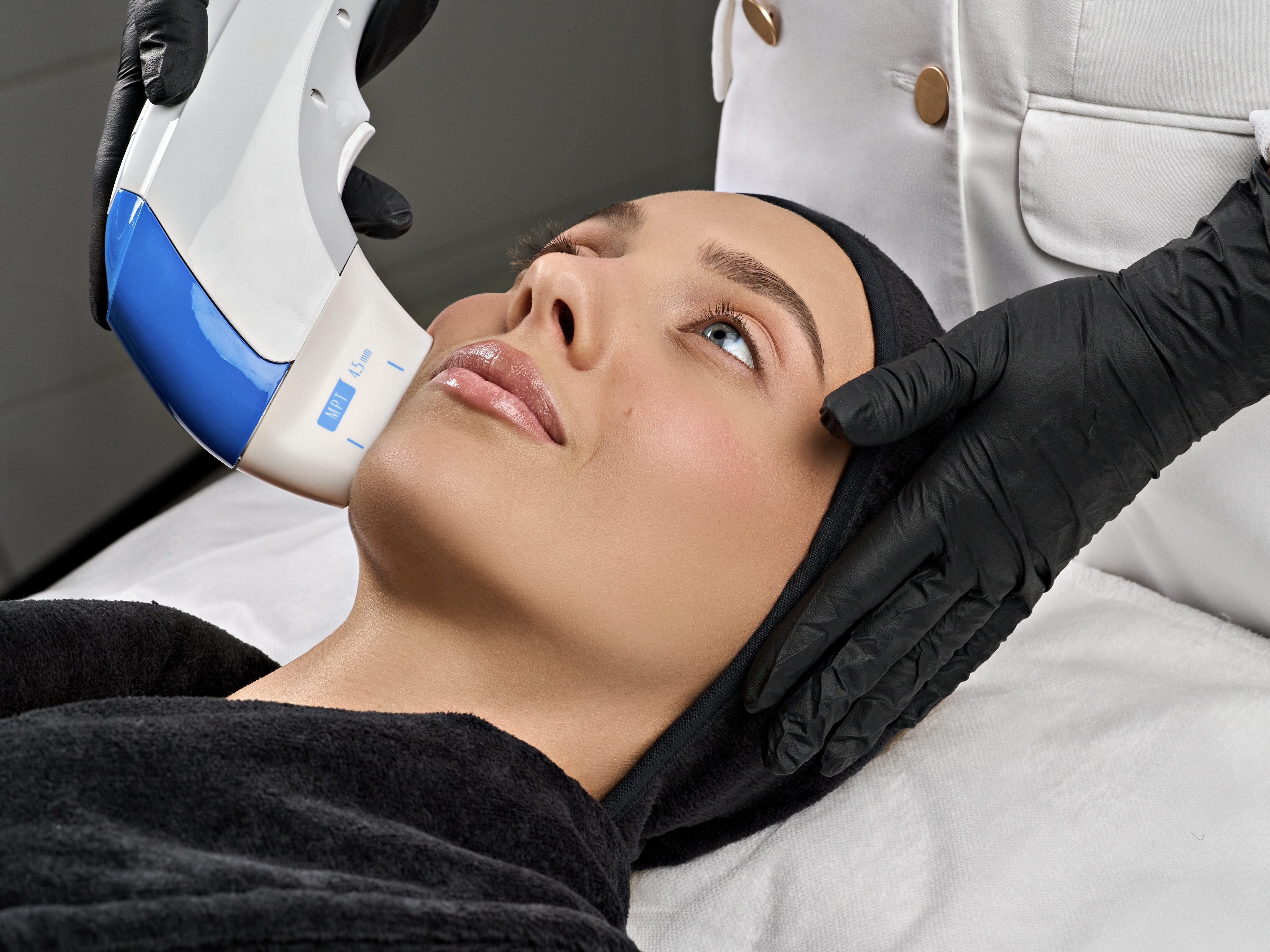
Focused ultrasound lifting
Focused ultrasound sends energy below the skin without an incision. It can start a gradual collagen response and may give a modest improvement in firmness. The degree of change differs for each person.
Detailed treatment information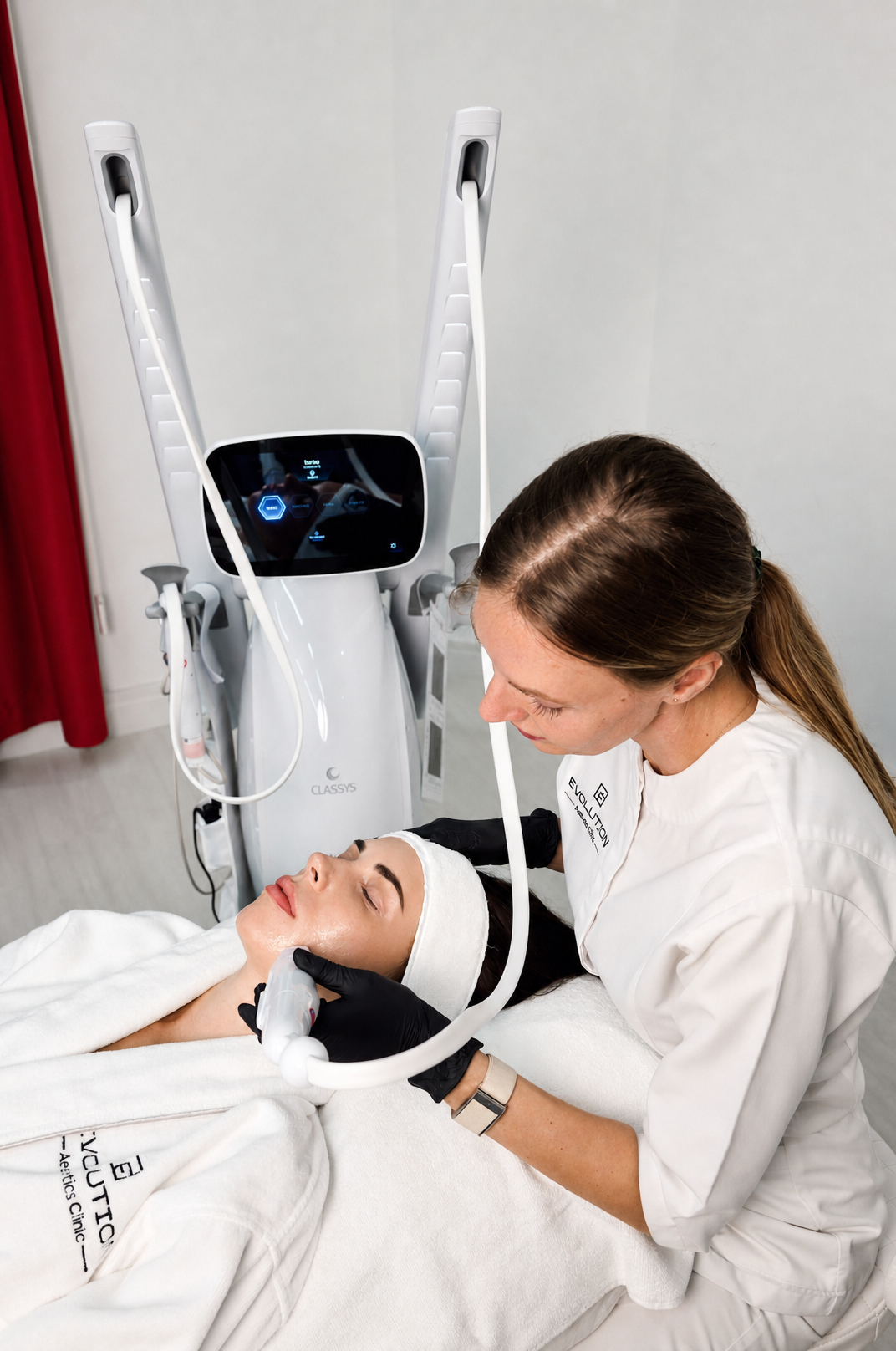
Volnewmer radiofrequency
This surface treatment uses radiofrequency energy to warm deeper skin layers. A doctor may use it to support gradual firmness and a clearer-looking lower-face contour.
Detailed treatment information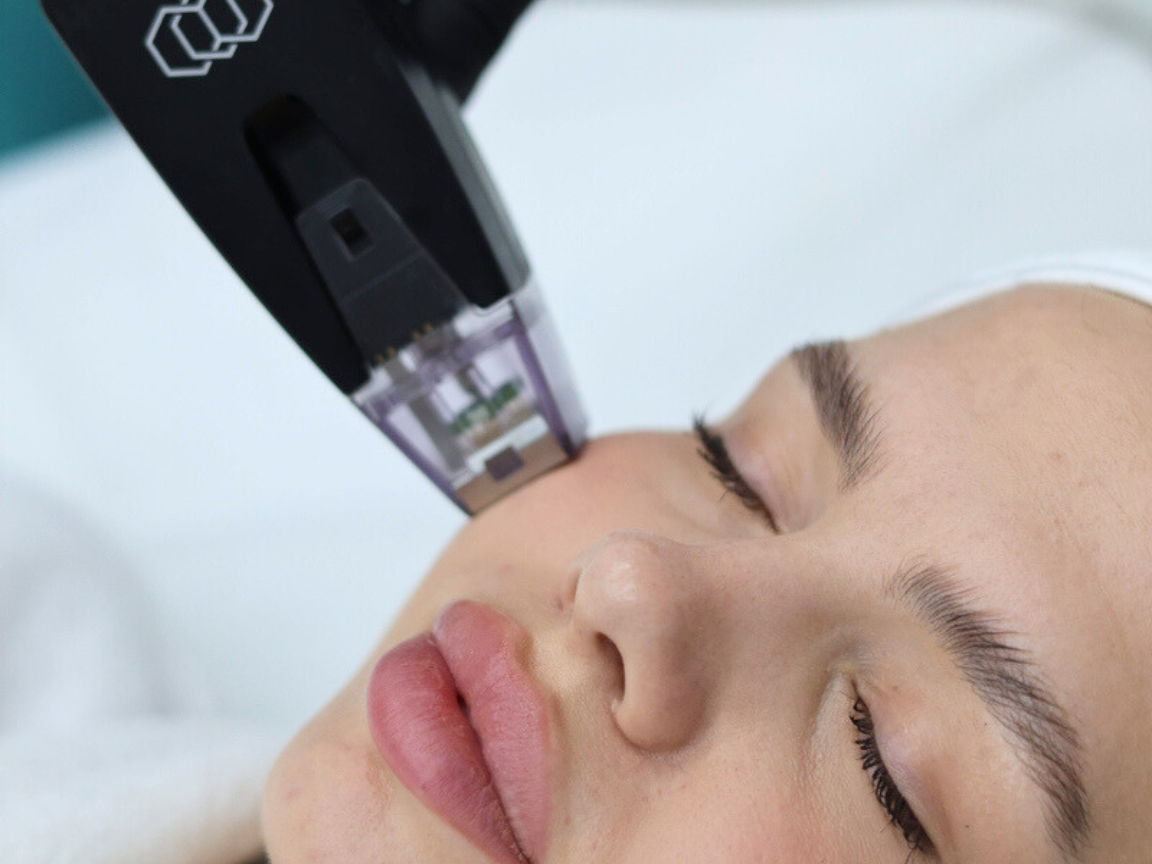
Morpheus8 RF microneedling
This treatment combines fine needles with radiofrequency energy. It can address firmness and texture, but it needs careful medical selection because it enters the skin and has important risks and recovery considerations.
Detailed treatment information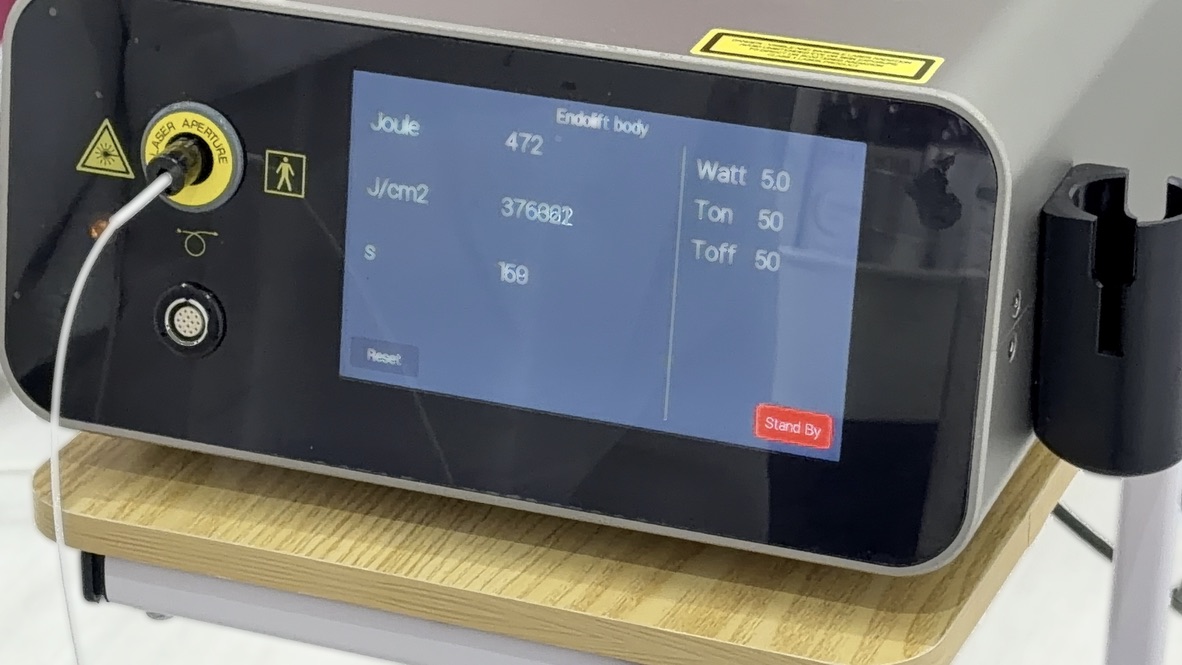
Endolift laser treatment
This minimally invasive treatment places a fine laser fibre under the skin. A doctor may discuss it for selected lower-face, jowl or local fat concerns. It is more invasive than a surface energy treatment.
Detailed treatment information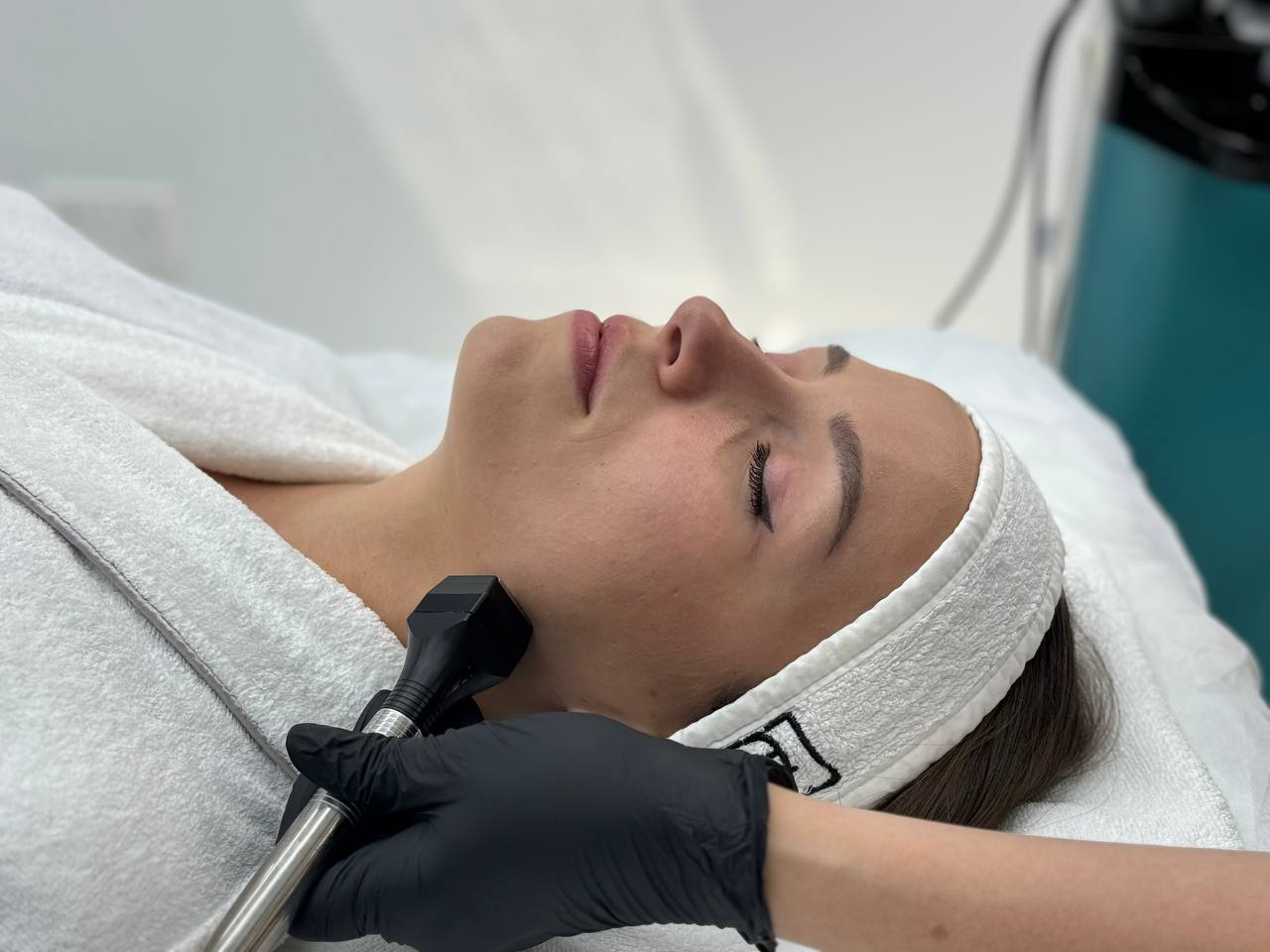
Forma radiofrequency
This non-invasive radiofrequency treatment warms the skin from the surface. It can be considered when the goal is a subtle, gradual improvement in firmness rather than a major lift.
Detailed treatment information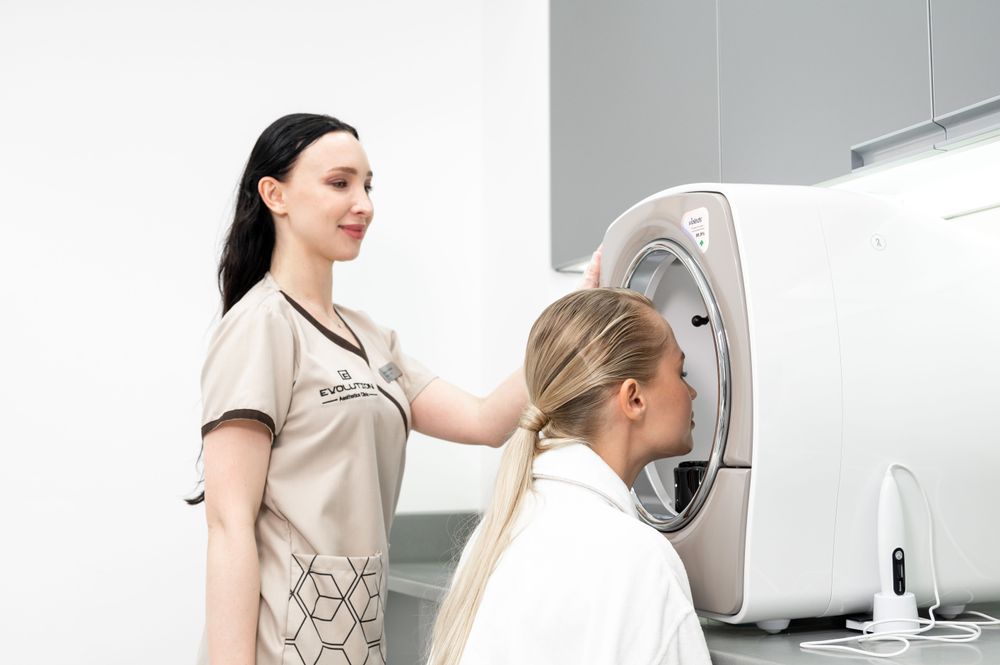 See how the test works
A measured starting point
Start with a 3D skin test
For facial skin improvement goals, the Janus PRO scan gives your doctor objective images and measurements before a treatment plan is made.
It photographs the face with standard, cross-polarised, parallel-polarised and UV light. The system maps visible features such as pores, pigmentation, redness, texture and sebum. Your doctor reviews this information with your medical history and examination to make a more precise facial-skin recommendation. The scan supports the decision; it does not diagnose a condition or select a treatment automatically.