


Your goal
Planning facial and body hair reduction
Unwanted hair is normal facial or body hair that a person would prefer to reduce. Hair colour, thickness, location and growth cycle differ between people. A sudden increase, or new coarse facial hair in a woman, can also be linked to a medical or hormonal change and should be assessed before cosmetic treatment.
What influences it
What influences hair growth?
Genetics
Inherited features influence how much hair grows, where it grows and whether it is fine, coarse, light or dark.
Normal hormonal stages
Puberty, pregnancy and menopause can change hair growth because hormone levels change during these stages.
Hormonal or medical conditions
Polycystic ovary syndrome and some other conditions can cause new or increased coarse hair growth. A doctor may recommend a medical review when the pattern changes suddenly.
Medicines
Some medicines can increase hair growth. The doctor should know about current medicines before the treatment plan is selected.
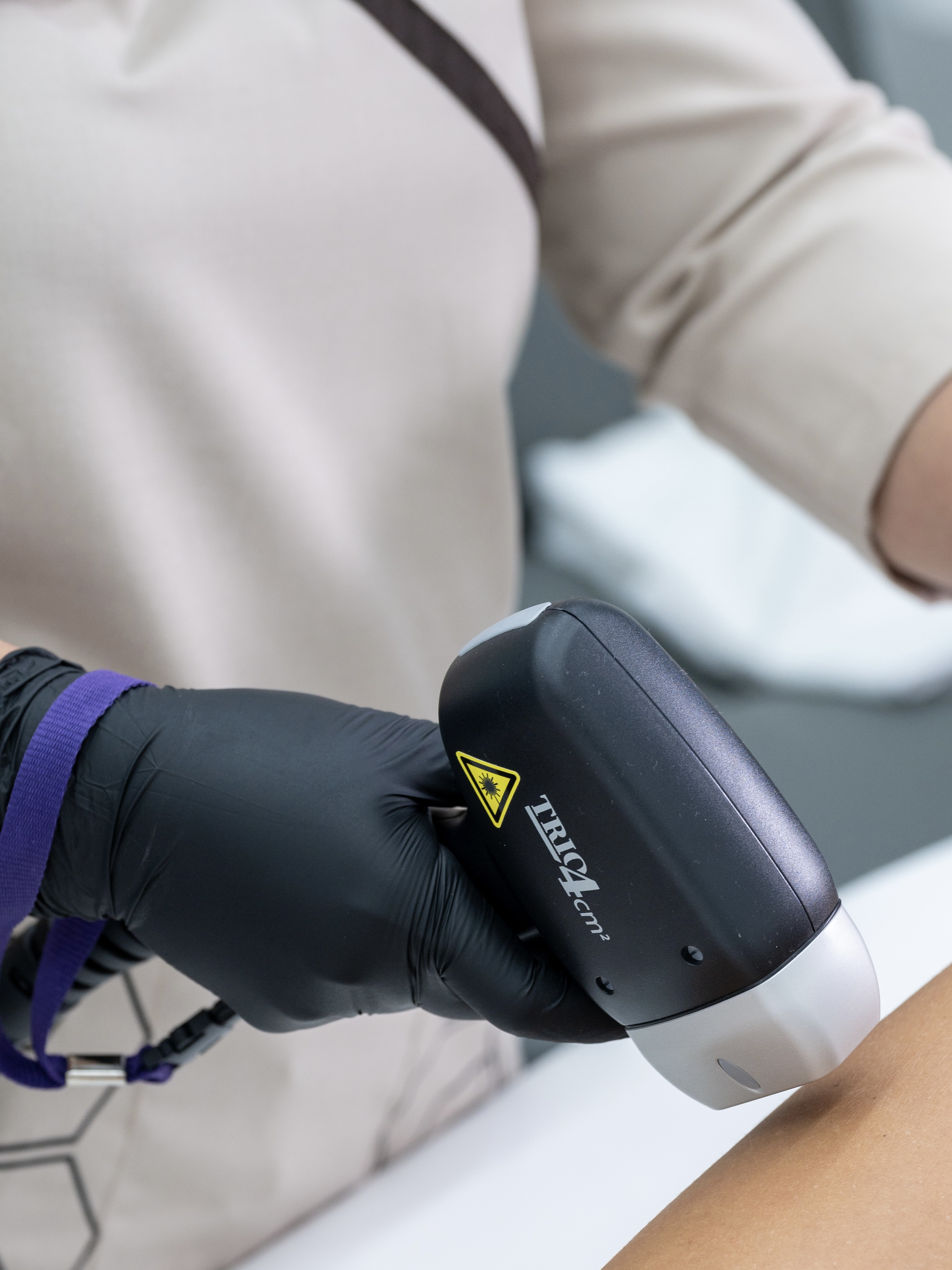
Soprano Titanium laser hair removal
This platform combines three laser wavelengths with contact cooling. A doctor may discuss it for a range of skin tones and body areas after checking hair colour, thickness, skin tone and recent sun exposure.
Detailed treatment information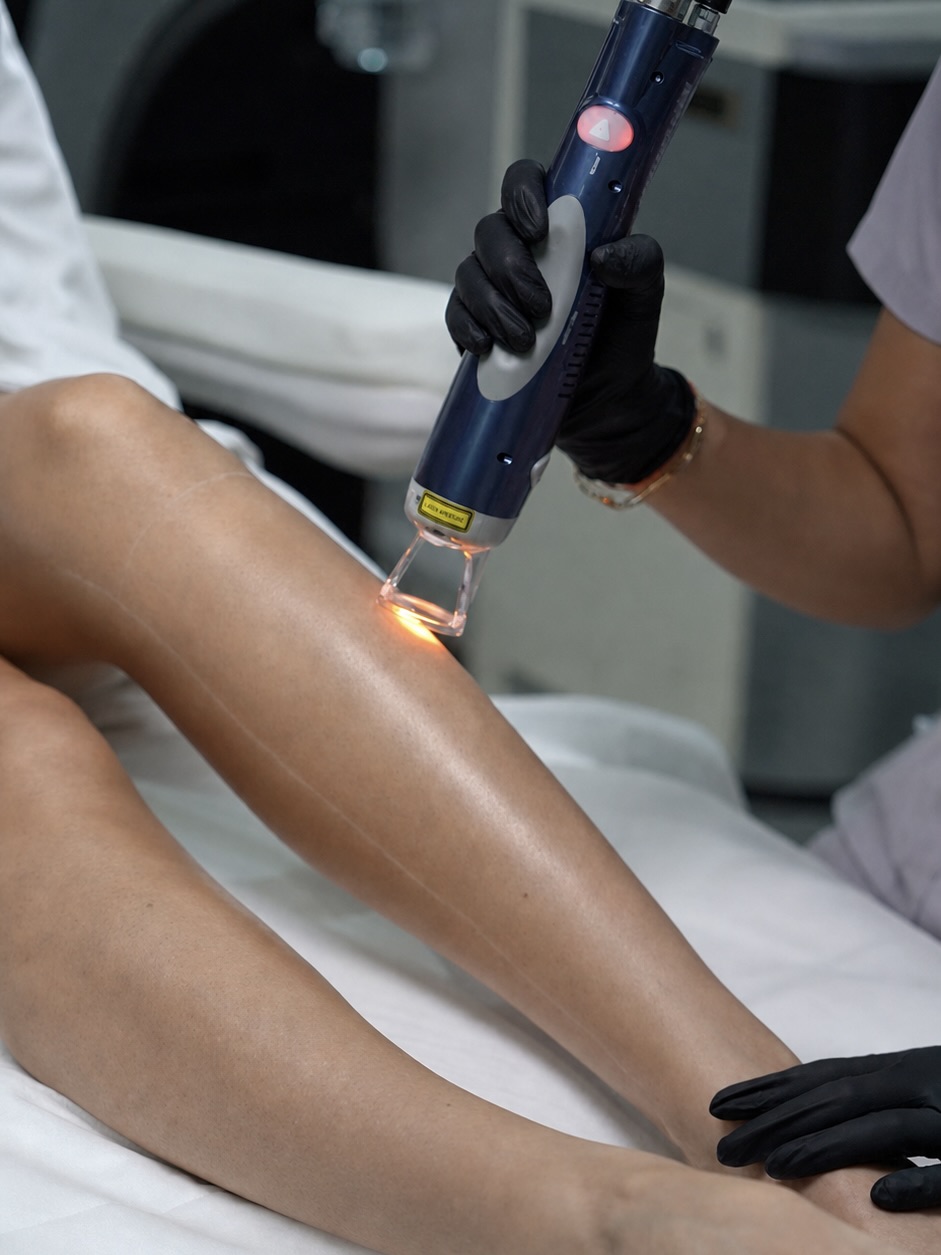
Smartrion Alexandrite laser hair removal
The 755 nm Alexandrite laser targets pigment in the hair follicle. It is usually considered for darker hair on suitable lighter skin tones. Several sessions are normally needed because hairs grow in different cycles.
Detailed treatment information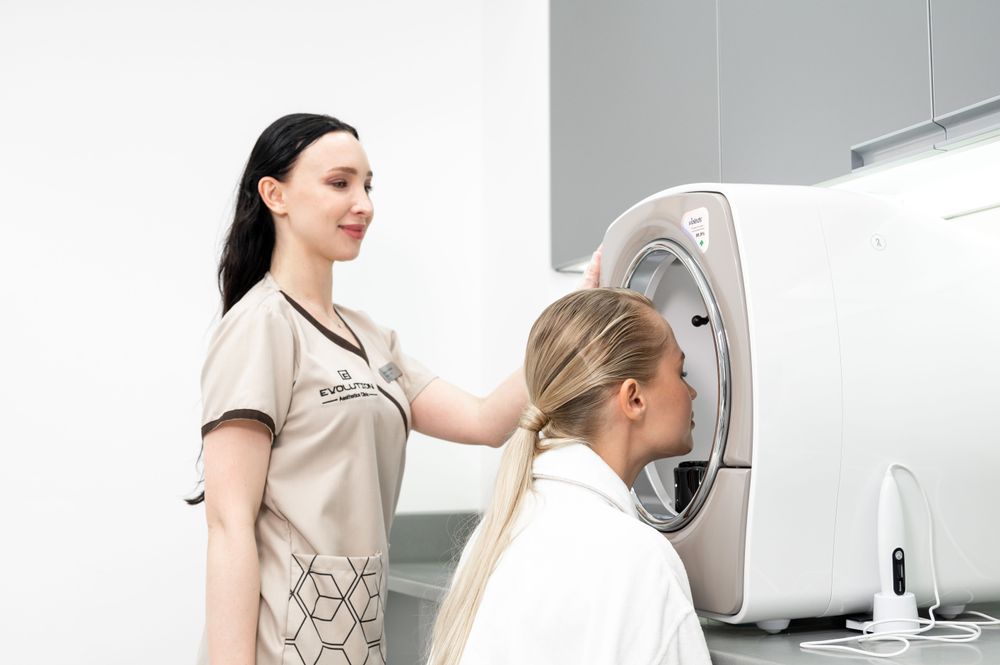 See how the test works
A measured starting point
Start with a 3D skin test
For facial skin improvement goals, the Janus PRO scan gives your doctor objective images and measurements before a treatment plan is made.
It photographs the face with standard, cross-polarised, parallel-polarised and UV light. The system maps visible features such as pores, pigmentation, redness, texture and sebum. Your doctor reviews this information with your medical history and examination to make a more precise facial-skin recommendation. The scan supports the decision; it does not diagnose a condition or select a treatment automatically.