


Specialist Dermatologist
Dr. Yulia Krasnaya
Medical Director of Evolution Clinic, Specialist Dermatologist from Russia, M.D., Official Trainer for Laser Technologies. DHA License 03624607-001
Meet YuliaEvolution Aesthetics Clinic
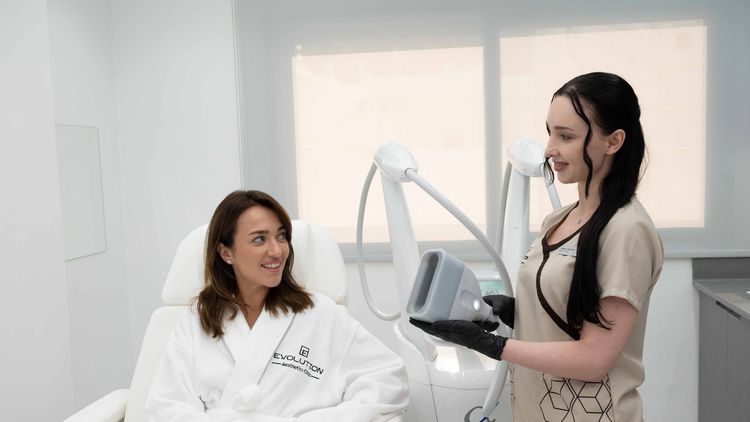
Fine lines and a crepey surface can make skin look less firm even without pronounced sagging. Fine absorbable threads are placed under the skin to target these skin-quality concerns.
The aim is a modest improvement in texture. The thread placement is chosen for the area and skin thickness. This differs from structural lifting threads that reposition loose tissue.
key facts
The doctor marks the agreed area and discusses comfort measures before placing threads through small entry points. Skin thickness and earlier filler, threads or surgery help guide the placement.
Afterwards, you receive instructions for skin care, pressure, massage and activity. Allow time for possible bruising, swelling or entry marks. Message us on WhatsApp to arrange a skin-firming thread appointment.
Questions
Fine threads focus on skin quality and texture. Structural lifting threads have a different design and purpose: they hold and reposition tissue.
The threads are absorbable, so they gradually break down. The skin response and duration of the visible change vary.
Fine threads do not add volume to a hollow area. They are selected for fine-line and texture concerns.
Once early swelling and bruising settle, review photographs help compare the skin with its starting appearance.
A thread can be visible or felt under the skin. Contact the clinic if this happens. Do not massage, pull or trim a thread yourself.
At our clinic, this treatment is performed by the clinician below. Learn about their qualifications, area of practice, and role in your care.
Meet the full teamSpecialist Dermatologist
Medical Director of Evolution Clinic, Specialist Dermatologist from Russia, M.D., Official Trainer for Laser Technologies. DHA License 03624607-001
Meet YuliaFine lines and texture concern the skin surface. A hollow cheek involves lost volume, while a fold from loose tissue is a structural concern. These can occur together. Fine skin-firming threads focus on skin quality.
Skin thickness and the area being treated affect placement. Thin skin can make a thread easier to see or feel. Earlier filler, threads or surgery can also change the tissue, so bring treatment details when available.
The intended change is subtle. Review after early reactions settle helps show how the skin has responded. Keep the product, area and date in your treatment records for future procedures. Any persistent discomfort, unevenness or visible thread needs review before more treatment.
Bruising, swelling, tenderness and entry marks can occur. Other risks include dimpling, asymmetry, visible or palpable threads, movement of a thread, exposure through the skin, infection and inflammation. Tell us about active skin problems, healing difficulties, allergies, previous procedures and all medicines before treatment. Do not stop prescribed medicines without the prescriber’s advice.
Follow the entry-point care and limits on pressure, massage and activity given for your treatment. Do not pull, push in or trim a thread yourself.
Contact the clinic for increasing pain, spreading redness, discharge, fever, an exposed thread, lasting new asymmetry or altered sensation. New facial weakness or visual symptoms need urgent medical assessment.
Questions
Allow time for entry marks, swelling or bruising. Tell us about the event when booking.
Bring details of earlier filler, threads or surgery, and your medicine and supplement list.
Related reading
