


Your goal
Understanding sweat control and comfort
Sweating is a normal way for the body to control temperature. Hyperhidrosis is sweating that is greater than the body needs for cooling. It can affect one area, such as the underarms, hands, feet or face, or it can affect much of the body. A new or sudden change needs medical assessment because another condition or a medicine can be the cause.
What influences it
What influences sweating?
Primary focal hyperhidrosis
In primary hyperhidrosis, nerve signals that control sweat glands appear to be overactive. Sweating usually affects one or two areas and can run in families.
A medicine or medical condition
Some medicines and health conditions can cause secondary hyperhidrosis. The doctor must identify and manage the cause before selecting a symptom treatment.
Heat, activity and stress
Warm conditions, physical activity and emotional stress can increase sweating. These triggers do not by themselves confirm hyperhidrosis.
Hormonal or nervous-system changes
Menopause and some conditions that affect the nervous system can change sweating patterns. Sweating during sleep can be an important detail for the doctor.

Botulinum toxin for excessive sweating
Botulinum toxin can temporarily reduce nerve signals to sweat glands in a selected area. A doctor must first confirm the type of hyperhidrosis, the treatment area and whether another condition needs attention.
Detailed treatment information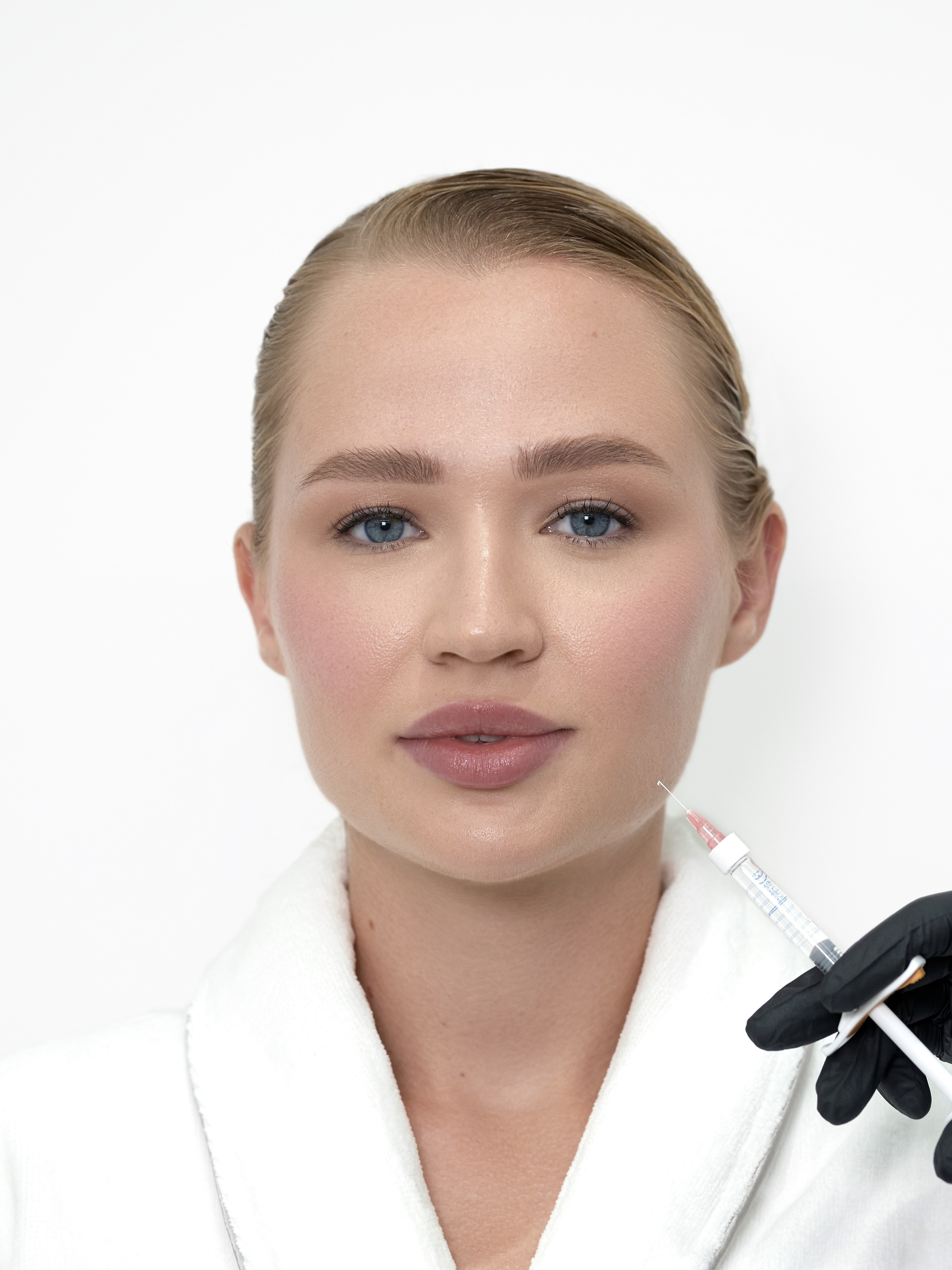
Botulinum toxin treatment overview
This general botulinum therapy guide explains how the prescribed medicine works and the medical points that affect its use. For excessive sweating, the injection depth, dose pattern and expected effects differ from cosmetic facial use.
Detailed treatment information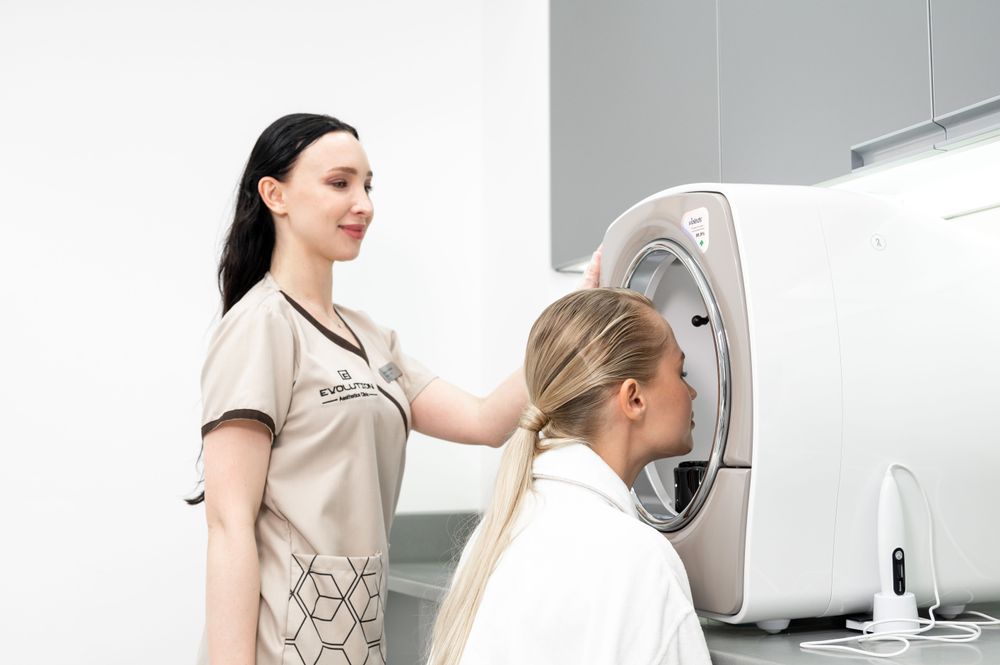 See how the test works
A measured starting point
Start with a 3D skin test
For facial skin improvement goals, the Janus PRO scan gives your doctor objective images and measurements before a treatment plan is made.
It photographs the face with standard, cross-polarised, parallel-polarised and UV light. The system maps visible features such as pores, pigmentation, redness, texture and sebum. Your doctor reviews this information with your medical history and examination to make a more precise facial-skin recommendation. The scan supports the decision; it does not diagnose a condition or select a treatment automatically.