EvolutionBack to homepage

Scar Laser
Removal

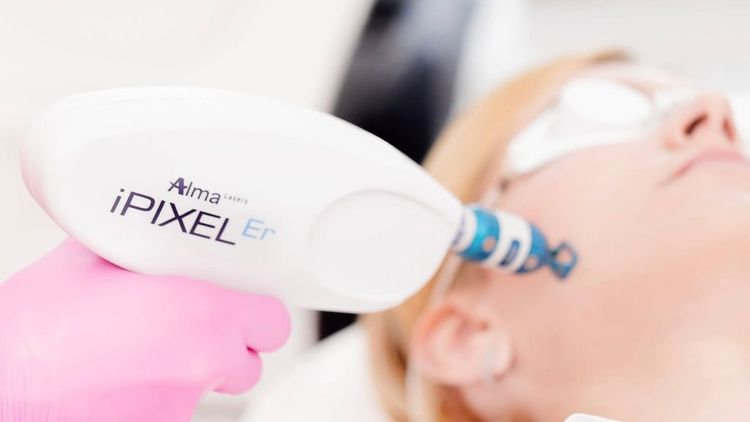
Scar Laser Removal uses the Alma Harmony XL PRO iPixel fractional laser for suitable face or body scars. The clinician assesses the scar type, age, colour, texture, and skin tone before selecting settings and a treatment course. NIR body treatment is a separate service.

How it works

Fractional precision that remodels collagen, not just the surface

We use the Alma Harmony XL PRO with the iPixel fractional handpiece to deliver controlled, microscopic columns of 2940 nm Er:YAG energy into the skin. These microthermal channels break down tight, disordered collagen inside the scar while leaving bridges of intact tissue around each spot. The intact skin speeds re‑epithelialization, and the focused thermal injury triggers a wound‑healing cascade: fibroblasts produce new, better‑aligned collagen and elastin, the scar softens, and texture evens out. The iPixel scanner creates a uniform pattern (a small matrix of pixel beams) for predictable coverage and depth. For selected cases, we add NIR (Near Infrared) on the Harmony XL PRO—broadband infrared gently warms the dermis to approximately 40–42°C, which promotes collagen contraction and neocollagenesis, helping blend the scar edges and improve firmness. Settings such as energy, density, and passes are adjusted to scar type (atrophic, hypertrophic, post‑surgical), location, and skin tone; we may perform test spots and use topical anesthetic before treatment.

Smoother texture with fewer sessions and little downtime

Fractional precision that targets scar tissue
iPixel energy focuses on scarred micro‑zones while sparing surrounding skin for efficient remodeling.
Short, efficient sessions
Scanner tips cover the area quickly, so appointments fit easily into a busy schedule.
Designed for comfort
Topical numbing and integrated cooling help keep treatment tolerable from start to finish.
Improvement that builds for months
Collagen remodeling continues for 3–6 months, giving progressive smoothing of the scar.
Non-surgical approach
No cuts or stitches—an effective alternative to excision or dermabrasion for many scars.
Year‑round treatment with smart sun care
With proper pre‑ and post‑treatment sun habits, many patients can plan sessions any season.

Treatment plan

Clear plan, predictable recovery, lasting change

Most patients need 3–5 iPixel sessions spaced 4–6 weeks apart to see a significant difference in scar depth and texture; deep or long‑standing scars may require 5–6 sessions. NIR, when used as an adjunct, is typically scheduled as 3–6 sessions every 1–2 weeks to soften edges and boost firmness. A typical appointment takes 20–45 minutes depending on the area, plus 20–30 minutes for topical numbing. Expect redness and mild heat for several hours, then bronzing or a faint grid with micro‑crusting for 3–7 days (face tends to heal faster than body). Visible changes start in 2–4 weeks and continue to build for 3–6 months as collagen remodels; improvements are long‑lasting because scar structure is reorganized. Pre‑care: avoid tanning and sunburn for 2 weeks, pause retinoids and exfoliating acids for 5–7 days, avoid photosensitizing drugs when possible, and tell us about any history of cold sores. Aftercare: cool compresses as needed on day one, gentle cleanser and bland moisturizer, no picking or scrubbing, avoid hot tubs/saunas/gym for 48 hours, high‑SPF broad‑spectrum sunscreen daily, and pause retinoids/acids for 5–7 days. Makeup can usually be worn after 24 hours if skin is intact. For certain scars, we may combine treatments to reach goals faster: Microneedling RF, Platelet‑Rich Plasma (PRP) for healing support, targeted Chemical Peels (such as TCA CROSS for ice‑pick scars), steroid injections for hypertrophic or keloid‑prone areas, and NIR skin tightening on Harmony XL PRO.

Your treatment, in expert hands

At our clinic, this treatment is performed by the specialists below. Learn about their qualifications, areas of practice, and roles in your care.

Explore the full team
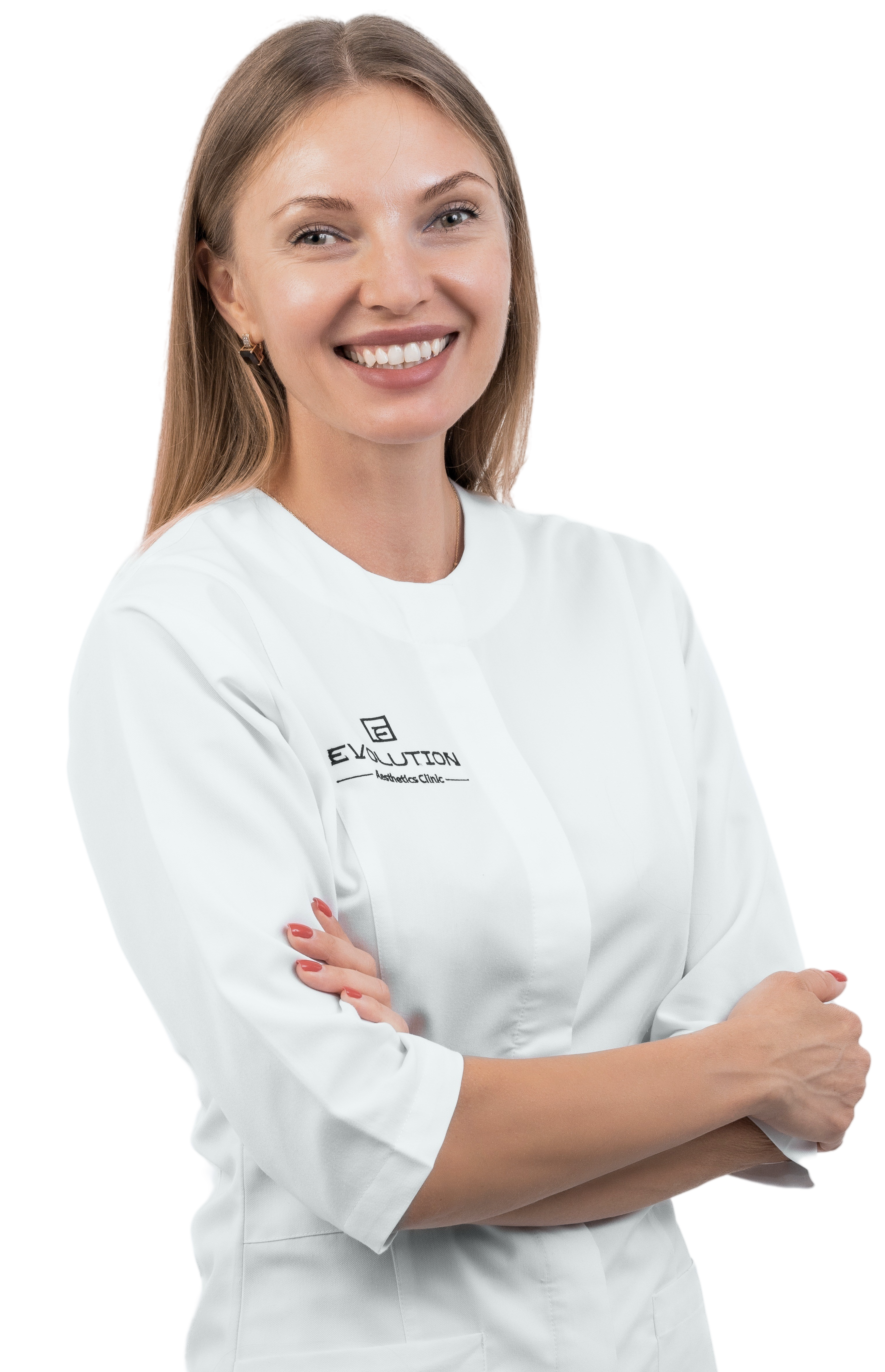
Dr. Yulia Krasnaya, Specialist Dermatologist at Evolution Aesthetics Clinic

Specialist Dermatologist

Dr. Yulia Krasnaya

Medical Director of Evolution Clinic, Specialist Dermatologist from Russia, M.D., Official Trainer for Laser Technologies. DHA License 03624607-001

Meet Yulia
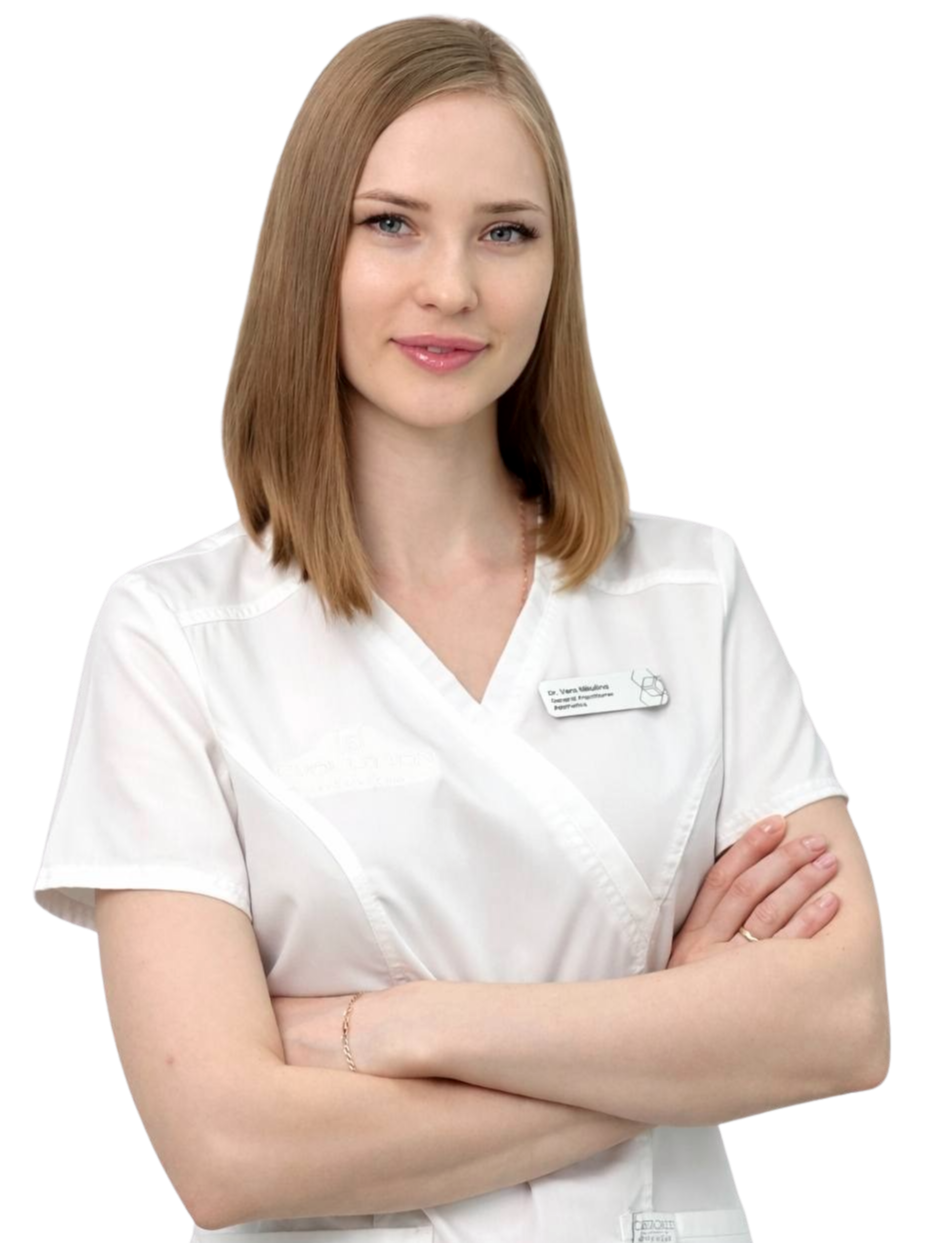
Dr. Vera Nikulina, General Practitioner at Evolution Aesthetics Clinic

General Practitioner

Dr. Vera Nikulina

General Practitioner at Evolution Aesthetics Clinic in Dubai. DHA License 39929792-001.

Meet Vera

Customers' Reviews: Why Customers Love Evolution

Our average rating is 4.9 out of 5 from 226 reviews.

Loading current reviews from Google Maps.

Contraindications

Laser treatments are not suitable for everyone. We assess your medical history, medications, and skin condition to minimize risks and plan the safest approach for your skin.
  • Active skin infection, inflammation, or acne flare in the treatment area
  • Active herpes simplex (cold sores) on or near the area
  • Recent isotretinoin use (within the last 6–12 months)
  • History of keloids or hypertrophic scarring (requires careful assessment)
  • Uncontrolled diabetes or impaired wound healing
  • Pregnancy or breastfeeding
  • Recent sunburn, tanning, or self‑tanner on the area (last 2–4 weeks)
  • Photosensitizing medications (e.g., doxycycline) within the last 2 weeks
  • Seizure disorders triggered by light
  • Open wounds, eczema, or dermatitis on the treatment site