EvolutionBack to homepage

Laser Hair Removal

Laser Hair Removal in Dubai: Soprano or Alexandrite?

Compare Soprano diode and Alexandrite laser hair removal, including how they work, who may suit each option and how to prepare in Dubai.

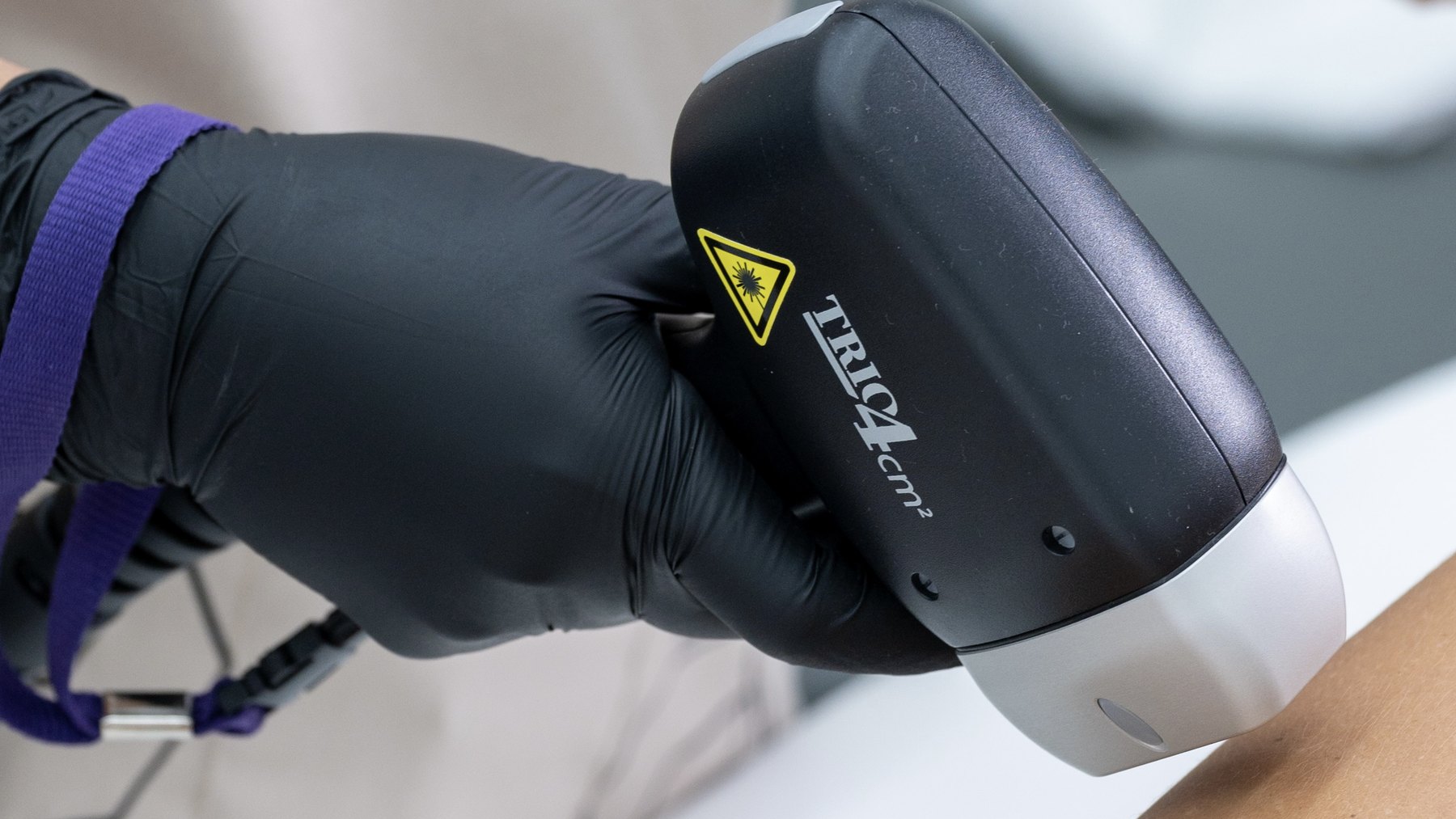
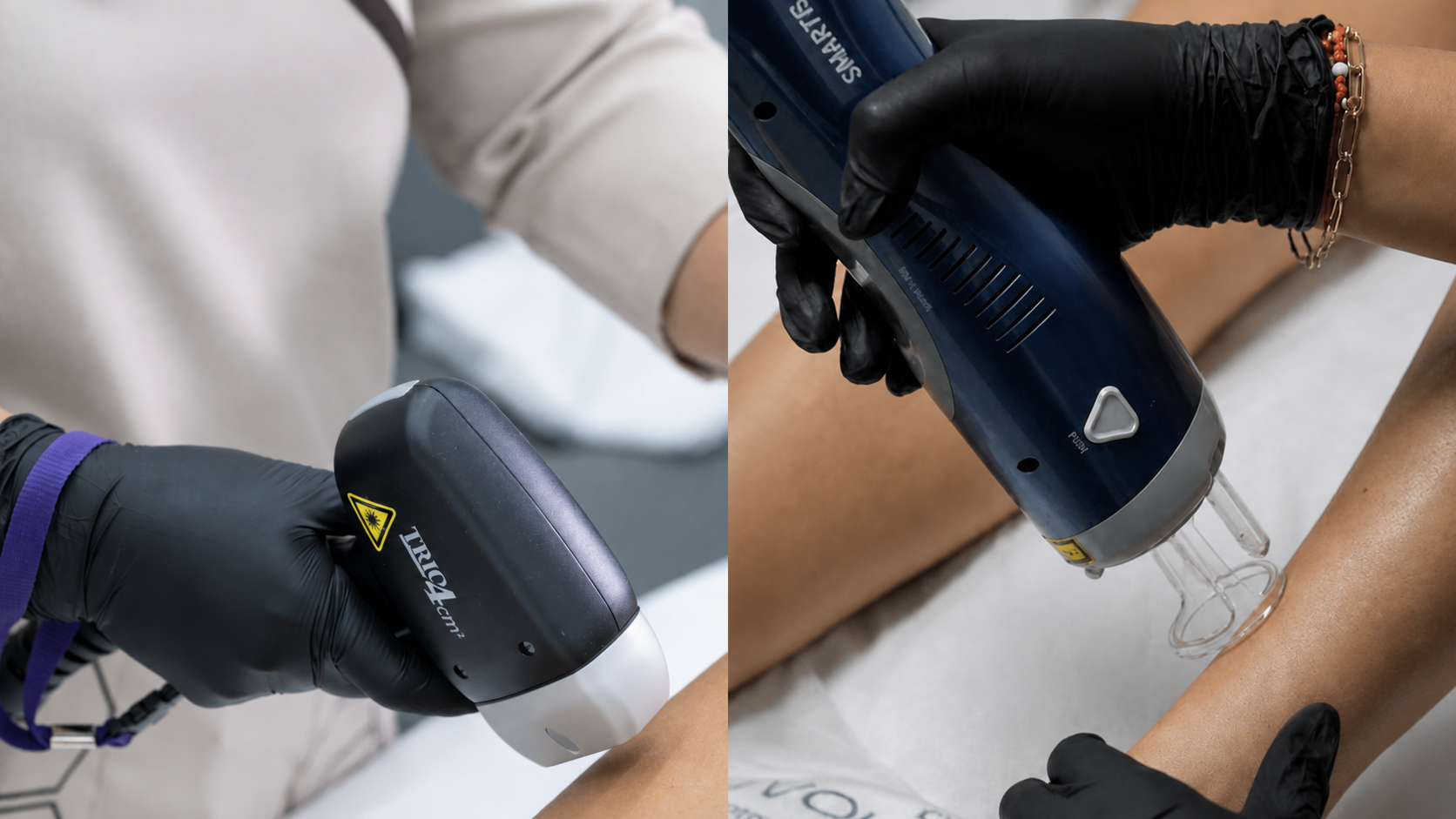
Soprano laser hair removal handpiece applied during a treatment at Evolution Aesthetics Clinic

Choosing between Soprano and Alexandrite laser hair removal is not simply a matter of picking the “stronger” machine. The right option depends on your skin tone, hair colour and thickness, recent sun exposure, treatment area and how your skin responds during a patch test. In Dubai, where sun exposure can change throughout the year, that assessment is especially important.

Both technologies aim for long-term hair reduction by delivering light energy to pigment in the hair follicle. They do not guarantee that every hair will disappear forever. The US Food and Drug Administration defines permanent hair reduction as a stable, long-term reduction in the number of hairs that regrow after a treatment course—not complete permanent removal.

How laser hair removal works

Hair contains melanin, the pigment that gives it colour. A hair-removal laser uses a wavelength of light that can be absorbed by that pigment and converted into heat. The goal is to affect the follicle while protecting the surrounding skin.

Only some hairs are in the actively growing stage at any one time. This is why laser hair removal is planned as a course rather than a single visit. The timing between sessions varies by area and by the clinician's assessment of your growth pattern.

Dark, coarse hair generally gives the laser a clearer target than very light, red, grey or white hair. Hormonal factors can also influence regrowth, so a consultation should cover both your expectations and any relevant medical history.

Alexandrite laser: precise targeting at 755 nm

Alexandrite systems use a 755-nanometre wavelength, which is strongly absorbed by melanin. This can make the technology effective for suitable combinations of skin tone and pigmented hair. At Evolution, our public treatment page explains more about Alexandrite laser hair removal.

Because melanin is also present in skin, settings must be selected carefully. Recent tanning, active sunburn and a higher risk of pigment change all matter. Cooling and an appropriate test area can help the clinician judge how the skin responds before proceeding with a larger area.

Soprano diode: gradual heating and multiple wavelengths

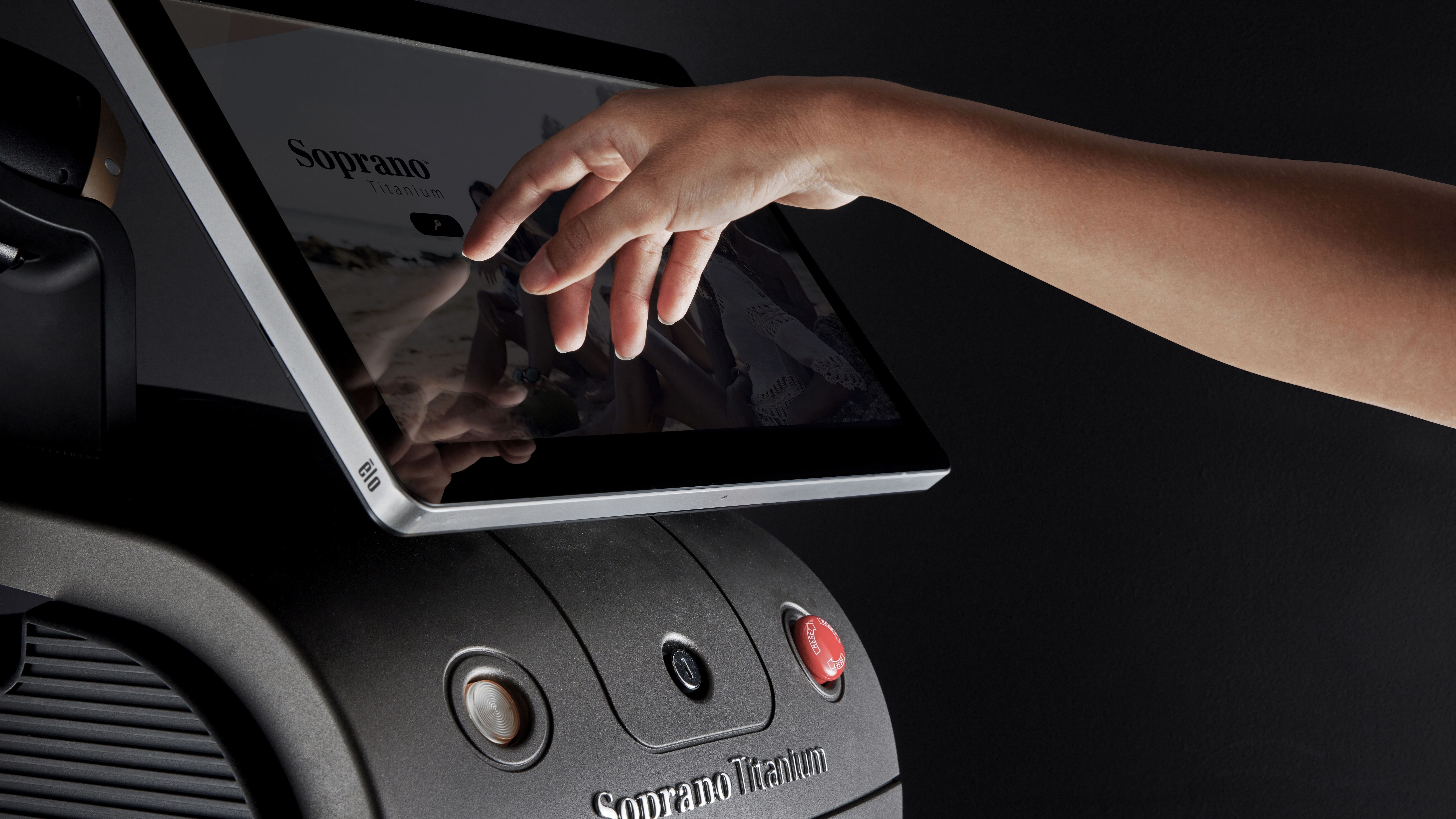
Soprano Titanium is a diode-based platform that combines multiple wavelengths and can be used with a moving, gradual-heating technique. Many clients find that approach comfortable, particularly across larger body areas. It may also give the clinician flexibility when treating different hair depths and skin profiles.

That does not mean one device is automatically appropriate for every skin tone or every season. Device choice, energy, pulse delivery, cooling and operator technique work together. A qualified practitioner should select the settings for the individual rather than relying on a generic programme.

Soprano vs Alexandrite at a glance

Question Alexandrite Soprano diode
How is energy delivered? 755 nm laser pulses Diode wavelengths, often with a gradual moving technique
When may it be considered? Often for suitable lighter-to-medium skin tones with pigmented hair Often when a gradual-heating approach or wider wavelength range is useful
What still needs assessment? Skin tone, tan status, hair pigment, area and sensitivity The same individual factors, plus the most appropriate mode and settings
Is one always better? No No

The most useful comparison is not the device name alone. It is whether the selected device and settings are appropriate for your skin and hair on the day of treatment.

How to prepare

  • Avoid waxing, threading or epilating the area before your course because the laser needs the follicle to remain a target. Follow the clinic's guidance on when to stop.
  • Shave according to the instructions you receive. Do not arrive with irritated or freshly injured skin.
  • Tell the practitioner about recent tanning, sunburn, self-tan, medicines and previous reactions to light-based treatments.
  • Use sun protection consistently and follow the aftercare plan for the area.
  • Do not apply a numbing product unless the clinic has specifically advised it.

Temporary redness, swelling around follicles and a warm sensation can occur. Laser-related risks can also include burns, blistering, scarring and skin-colour changes, especially when the device or settings are unsuitable. Eye protection is essential during treatment.

The right next step

If you are deciding between Soprano and Alexandrite, bring your questions to a consultation rather than choosing from a machine name online. The clinician can look at the treatment area, assess your skin and hair, review recent sun exposure and set realistic expectations for a course and maintenance.

To discuss your options, contact our Dubai clinic team.

Sources and further reading