


Evolution Aesthetics Clinic
Lymphatic
Drainage Massage
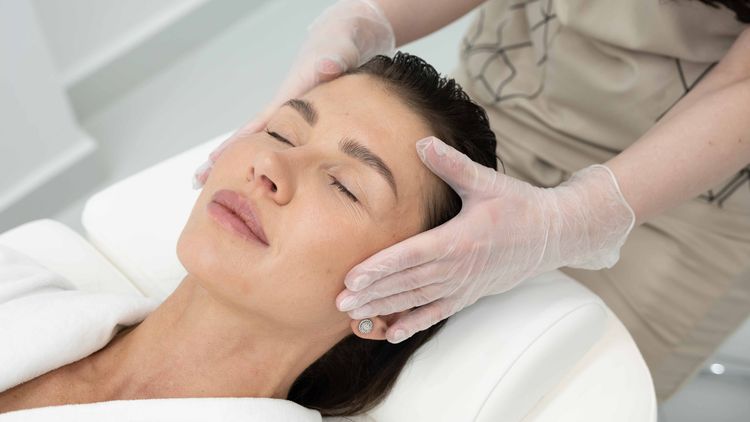
Manual lymphatic drainage massage uses light, slow and rhythmic hand movements. It is different from deep-tissue massage and is considered for selected swelling concerns or recovery support only after an appropriate health review. The therapist asks about the cause and location of swelling, recent treatments, surgery, medicines and relevant medical conditions before deciding whether massage is suitable. Pressure remains gentle because stronger pressure is not the purpose of this treatment. Manual lymphatic drainage does not treat every cause of swelling. Sudden, painful or unexplained swelling, redness, fever, active infection, suspected blood clot, uncontrolled heart or kidney disease and other acute symptoms require medical assessment instead of massage. If the treatment follows surgery or an aesthetic treatment, obtain approval from the treating clinician first.
Package offers
Buy 10 sessions
Manual Lymphatic Drainage Massage 60 min
How it works
How it works
The therapist uses light pressure and a planned direction of movement. Strong deep-tissue pressure is not part of this service.
Why patients choose this treatment
Light-pressure technique
The service uses gentle, rhythmic manual movement.
Separate from deep tissue
It has a different purpose and pressure level.
Health screening
Relevant swelling and medical conditions are reviewed first.
Treatment plan
Treatment plan
The current service is 60 minutes. The therapist must review unexplained swelling, infection, heart or kidney conditions, cancer treatment, surgery, and medical advice before starting.
Your treatment, in expert hands
At our clinic, this treatment is performed by the clinician below. Learn about their qualifications, area of practice, and role in your care.
Meet the full team
Massage Therapist
Rinelyn Meneses
Massage therapist with experience in the UAE and the Philippines and a Bachelor of Science in Physical Therapy.
Meet RinelynWhen treatment can be unsuitable
A clinician will review your health history, medicines, allergies, and treatment goals before treatment.
- Active infection, open skin, or uncontrolled inflammation in the treatment area
- A known allergy to a planned medicine, product, or material
- A health condition or medicine that requires the treating clinician to change or postpone the plan