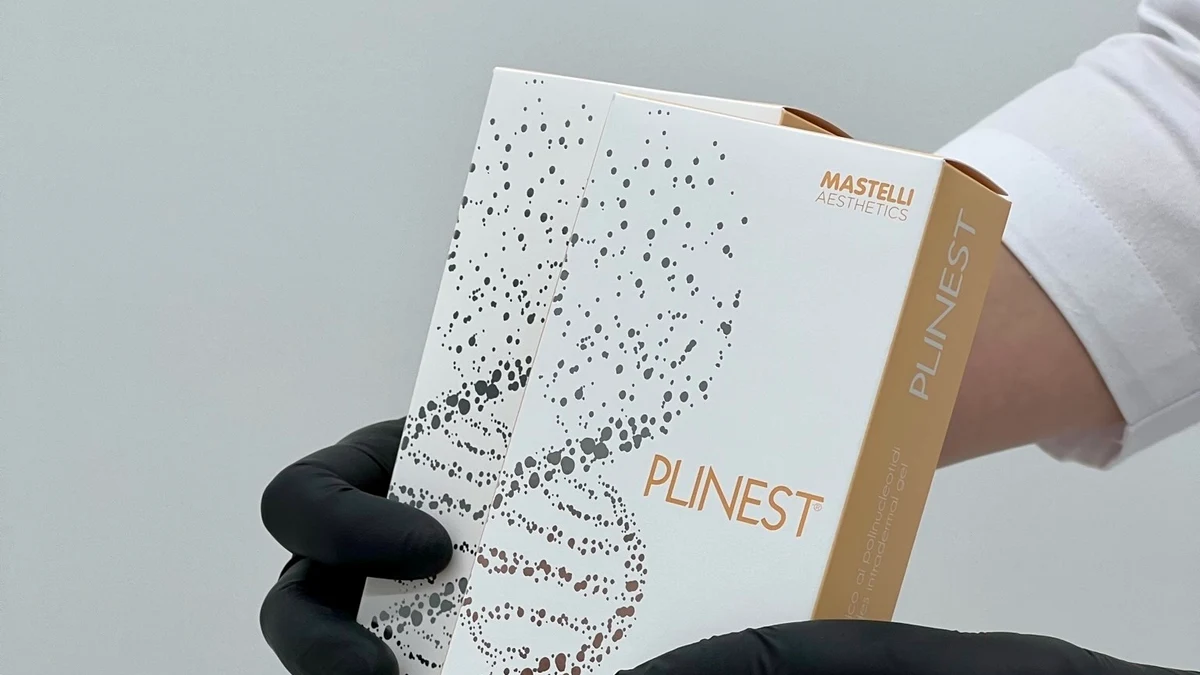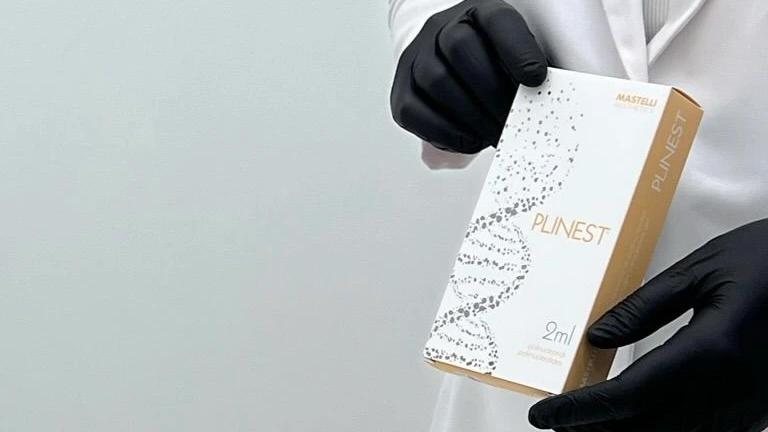
Plinest results should be assessed after early injection swelling has settled and your agreed review point has arrived. A fuller or smoother appearance immediately after treatment is not a reliable measure of the final benefit.
This guide explains the difference between recovery and progress. The Plinest treatment page covers the face and eye services, consultation and current booking options.
Recovery and results are different questions
Recovery concerns the marks and sensations caused by the appointment: injection points, redness, swelling, tenderness or bruising. Results concern the skin change you wanted, such as texture or the appearance of fine lines. The two can overlap in time.
Taking a photograph every few hours may make normal changes in lighting or swelling seem more important than they are. We agree a review plan and explain what to report sooner. Do not wait for a planned review if a symptom is getting worse.
What to expect after a visit
Small raised points and visible marks can occur. The amount and duration vary with the area, product, technique and your response. Eye-area recovery can look different from facial recovery. We do not give one downtime promise for both.
Avoid planning treatment immediately before an event where visible bruising or swelling would be a problem. Tell us about holidays, exercise plans and other cosmetic appointments so that the schedule is realistic.
Follow the instructions for the product you received
Plinest Gel and Plinest Eye should not share an aftercare timetable simply because their names are similar. For Plinest Gel, manufacturer guidance advises avoiding makeup for twelve hours and prolonged sun or UV exposure, sauna and steam until red marks have healed. We explain the instructions for your exact treatment rather than transfer that rule to every eye product.
Keep the area clean and handle it gently. Ask when to resume active skin-care products, exercise or a facial. Do not stop a prescribed medicine to reduce bruising without advice from its prescriber. Tell us about blood thinners, supplements, allergies and previous reactions before the appointment.
How many visits are needed?
A course may be discussed, with the number and spacing chosen after assessment. A three-session schedule used in research is not a prescription for every patient. Product, area, starting skin condition and your response affect the decision.
Each visit should have a clear purpose. Before committing to a package, understand when the clinic will review benefit and what would make it change or stop the plan. Extra injections should not be the automatic response to uncertainty about an early result.
How long can improvement last?
Small Plinest studies have followed changes over several months. A 2026 prospective study used a four-month follow-up; that does not establish a four-month expiry date or prove a universal longer duration. It also found that the final facial hydration change was not statistically significant. Read the prospective study.
The practical approach is to review the concern you started with, using comparable photographs when useful. A maintenance decision should reflect a benefit worth maintaining, your preferences and the risks of another appointment.
Which symptoms should prompt contact?
Contact the clinic promptly about worsening pain, persistent lumps, increasing swelling or an appearance that concerns you. Hot, painful, swollen skin or feeling unwell can indicate an infection and needs urgent assessment. Do not press, puncture or try to drain an injection bump.
Get emergency help for trouble breathing, throat or tongue swelling or collapse. Sudden visual change after an eye-area injection also needs urgent medical attention. Written aftercare includes a route for follow-up; it does not replace emergency care.
Agree a useful review
Bring up both benefit and recovery. Explain whether the original concern changed, whether the recovery affected your plans and whether the result is worth further treatment to you. We discuss options openly, including a different approach or no further injections.