Melasma is a type of hyperpigmentation. Hyperpigmentation describes skin that has become darker; it does not identify one cause. Melasma, dark marks after inflammation and sun-related spots can need different plans.
We assess the pattern and history before recommending a pigmentation treatment. A photograph may help you show when a change began, but choosing a laser from the colour alone can miss the cause.
What makes melasma different?
Melasma often appears as patches on areas exposed to light, especially the face. Sun exposure and hormonal changes, including pregnancy, can contribute. Family history and skin tone also affect risk. It can persist for years or return after improvement. American Academy of Dermatology: melasma causes.
The diagnosis is not simply “stubborn dark spots”. We ask when the patches appeared, whether they change with sun exposure or pregnancy, and which medicines and skincare products you use. Do not stop a medicine yourself because it might be linked to pigmentation.
How do marks after acne differ?
A flat dark mark left after a spot can be post-inflammatory hyperpigmentation. Eczema, injury and irritating skincare can also leave pigment changes. Controlling the original inflammation helps prevent new marks. Treating old marks while new spots continue can make progress difficult to judge. AAD guidance on dark spots.
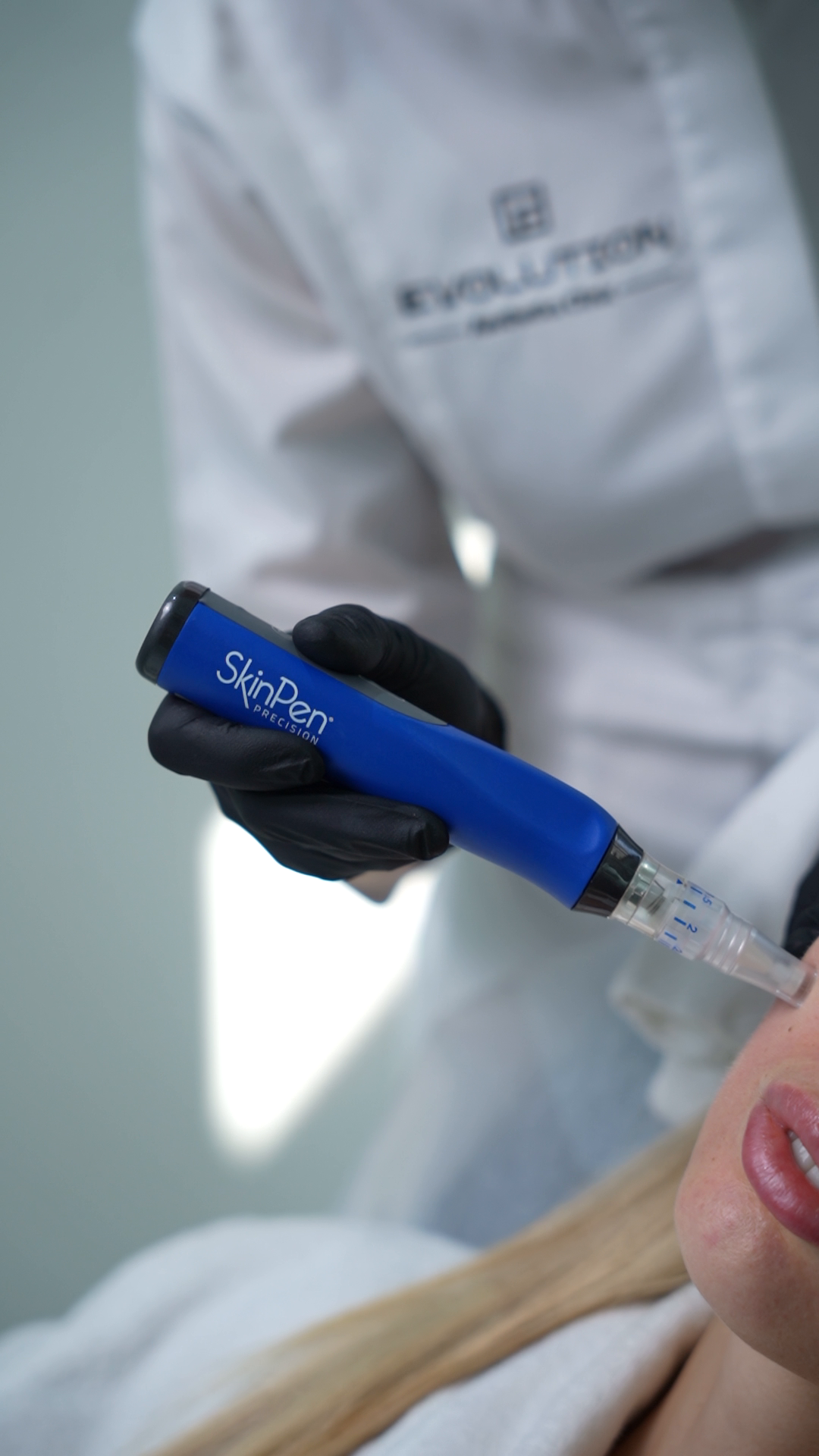
A mark is not the same as a depressed acne scar. If the surface is also uneven, we assess colour and texture separately. Our microneedling benefits guide covers that texture question.
Why does diagnosis change the treatment?
Melasma management commonly includes sun protection and prescription or topical treatment. Dermatologists may use additional treatments in selected cases, but a treatment that irritates the skin can complicate pigment management. The aim includes reducing recurrence, not just achieving a short-term colour change. AAD diagnosis and treatment guidance.
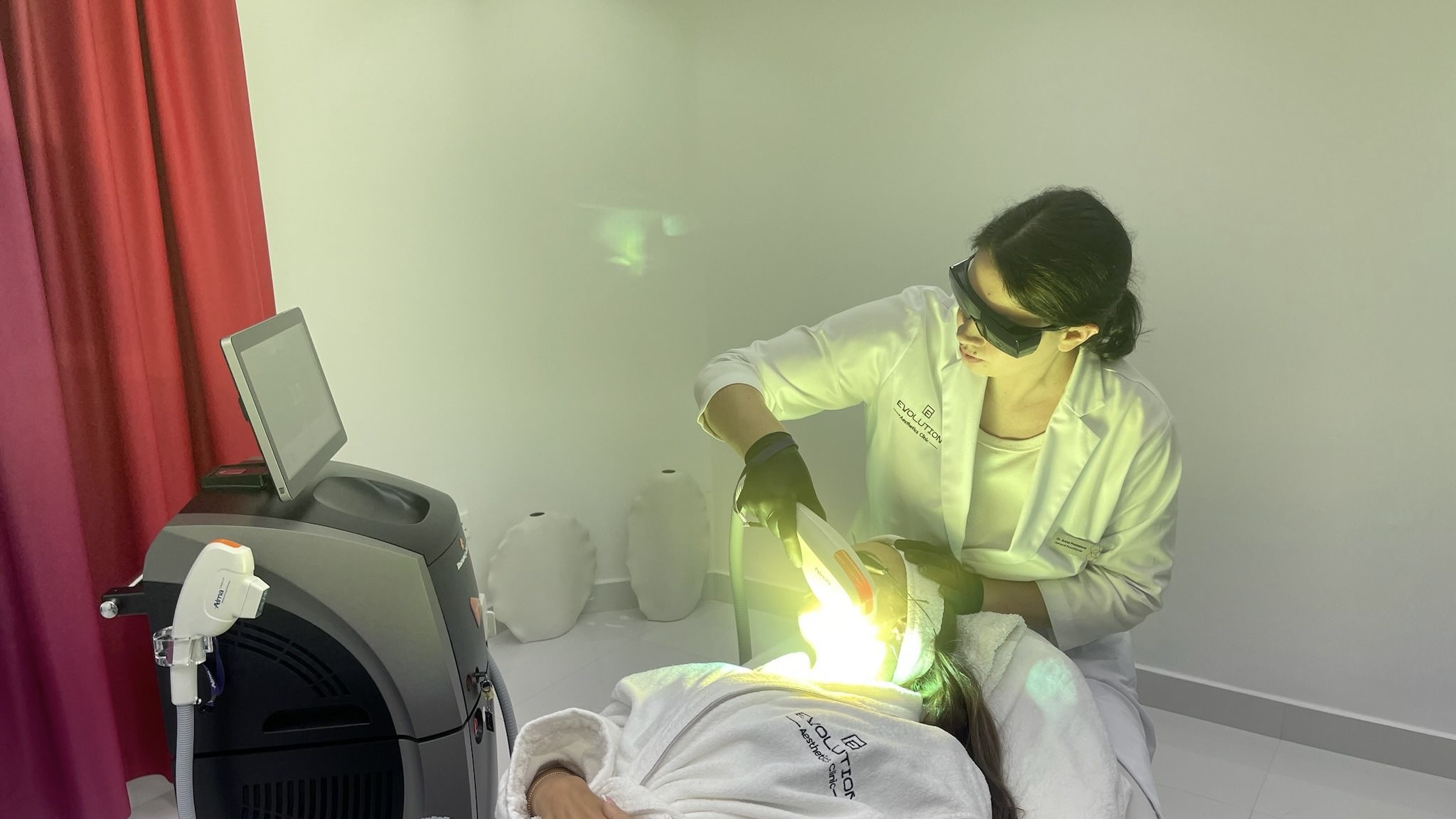
Our IPL pigmentation treatment and White Gloss pigmentation assessment are options to discuss after assessment. Those links are not a recommendation that every melasma patch needs IPL or laser.
What can I do while waiting for assessment?
Protect your skin from sunlight and avoid deliberate tanning. For melasma, the AAD recommends broad-spectrum SPF 30 or higher and notes the value of tinted sunscreen containing iron oxide for visible-light protection. Shade and a broad-brimmed hat add protection; sunscreen is not the only step. Choose gentle products that do not sting or irritate. AAD melasma self-care.
Do not start several strong brightening products at once. Bring their names to your appointment so we can identify possible irritation and avoid conflicting instructions.
When should a spot be examined first?
A new, changing, bleeding or unusual individual spot needs medical assessment rather than cosmetic treatment chosen online. We also want to know if pigmentation appeared suddenly or with other symptoms. The first task is to identify what it is; the treatment follows that diagnosis.