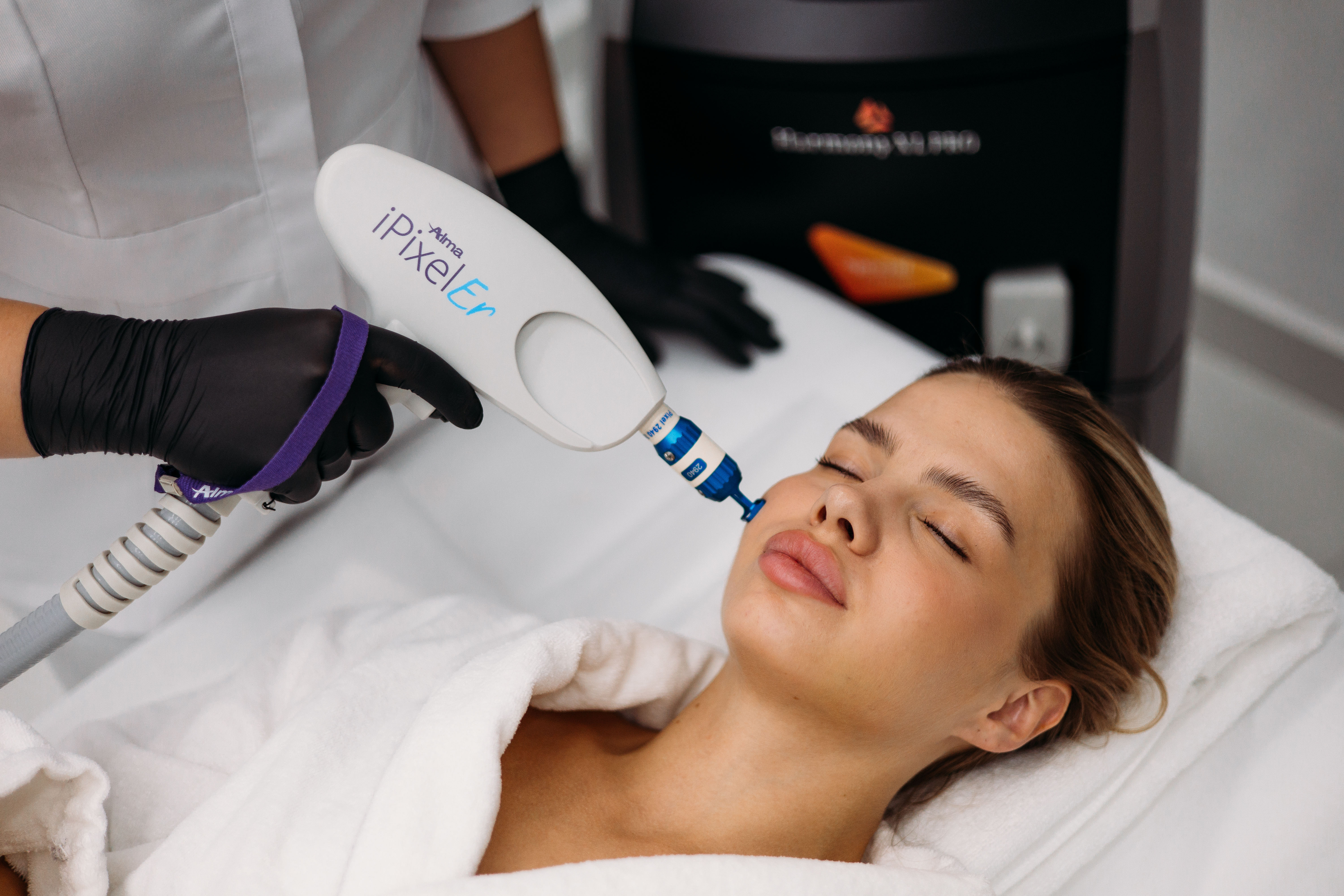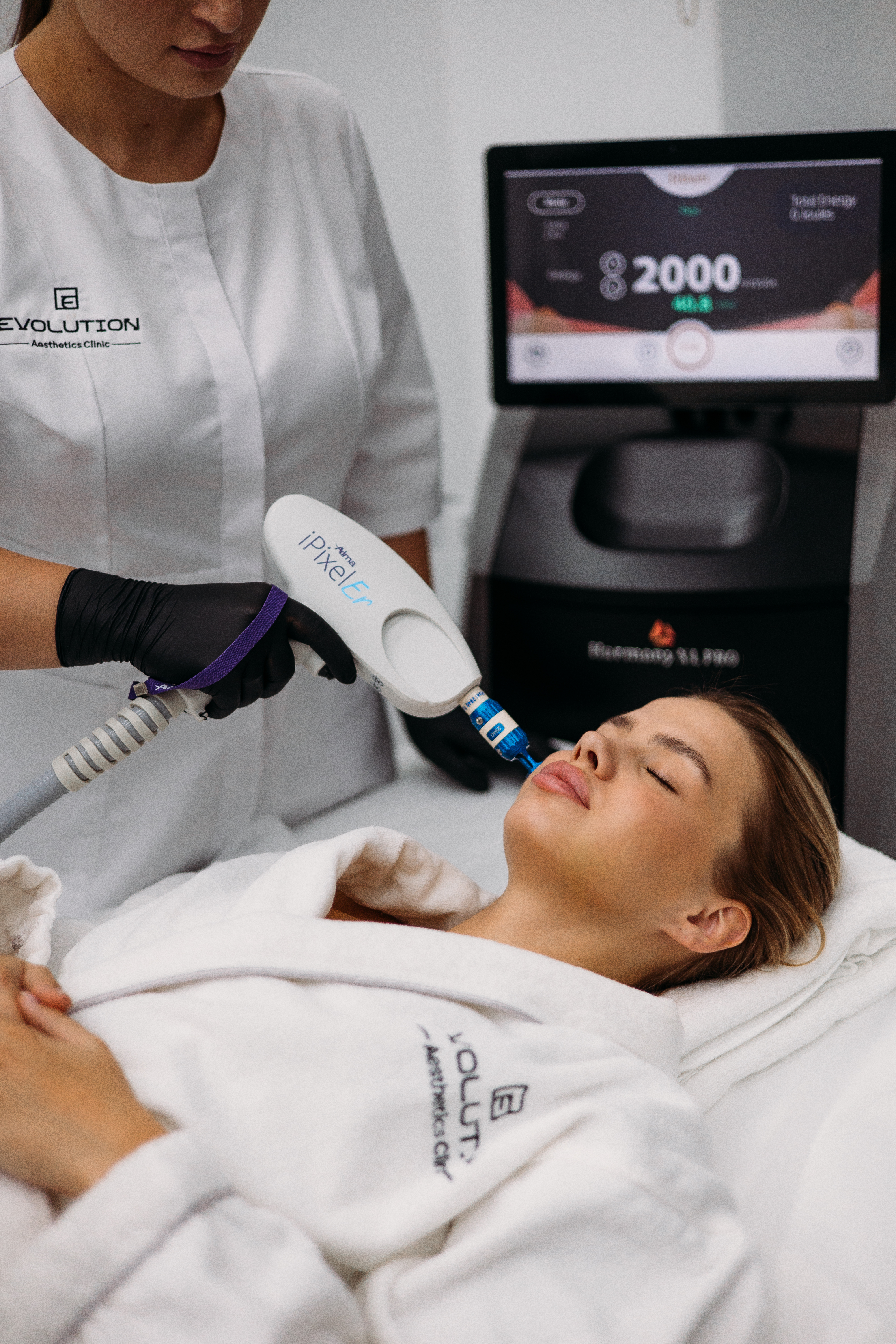
iPixel Erbium laser resurfacing may improve the appearance of selected depressed acne scars, but it does not erase every scar or treat every post-acne concern in the same way. The first step is to identify whether you are looking at an indentation, a raised scar or a flat colour change. That distinction matters more than choosing a device name before a consultation.
Why scar type changes the treatment plan
Acne can leave different patterns on the same face. Broad, shallow depressions, narrow pits and deeper scars need individual assessment. Flat red or brown marks also deserve attention, but a change in colour is not the same goal as changing the contour of a scar.
The American Academy of Dermatology describes personalised plans based on the scar pattern, skin tone and other circumstances. It also explains that acne control often comes first, to reduce further breakouts and new scarring. Some people need a combination of approaches. AAD guidance on acne-scar treatment
For your consultation, mark the two or three areas you most want to improve. Explain whether you notice the concern in photographs, while applying makeup or in particular lighting. This gives the discussion a practical focus without treating every visible pore as a scar.
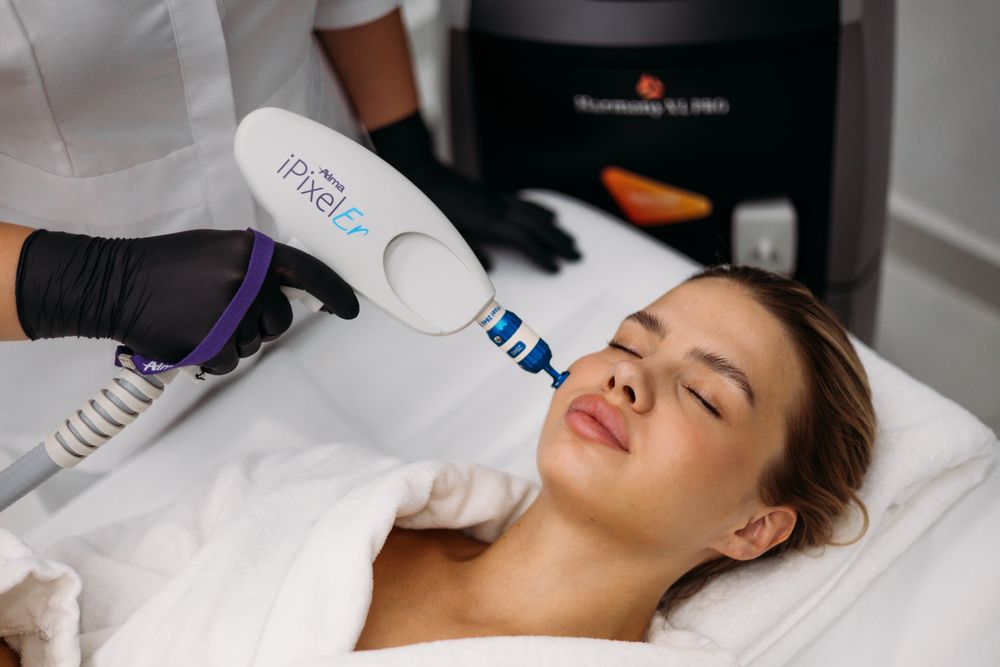
A model with the iPixel Er handpiece in Evolution’s photoshoot. This image illustrates the equipment, not a scar-treatment outcome.
Where does iPixel fit?
The iPixel applicator uses fractional ablative Er:YAG resurfacing. Its small treatment areas initiate a healing response, with skin between them supporting recovery. Evolution uses this approach for selected texture concerns and depressed acne scars; deeper or tethered scars may need other methods. Evolution’s iPixel treatment information
Resurfacing should be discussed as a way to make appropriate scars less noticeable, not as a promise to restore completely unscarred skin. If a particular scar is unlikely to respond well, ask for that to be explained before committing to a course.
Can laser treatment replace every other scar procedure?
No single approach is best for everyone. Mayo Clinic describes different roles for resurfacing, fillers and procedures that release or remove selected scars. These options address different features, and a combination may be considered. This does not mean that every patient needs every treatment or that they should all be performed together. Mayo Clinic’s acne-scar treatment overview
Ask the clinician to explain the purpose of each proposed step. For example, which step targets the surface and which targets the depth or attachment of a particular scar? If you prefer a simpler plan, discuss the likely trade-off rather than assuming a longer list guarantees a better result.
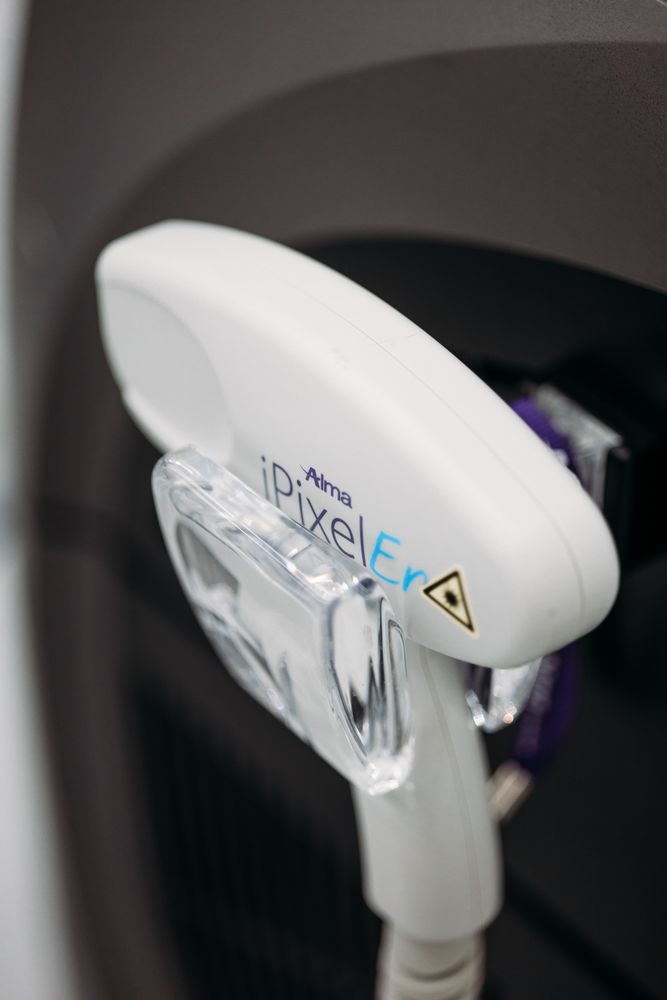
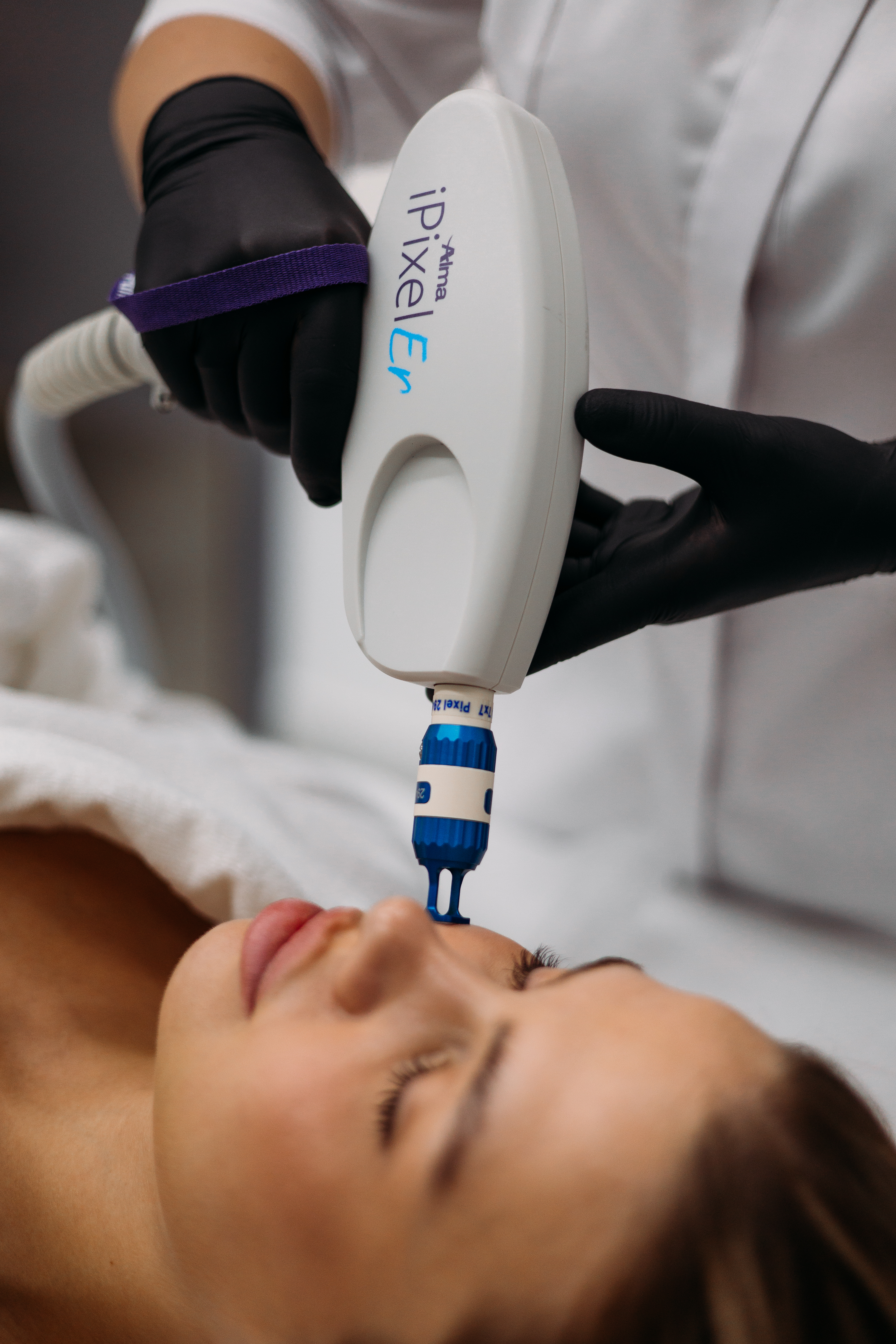
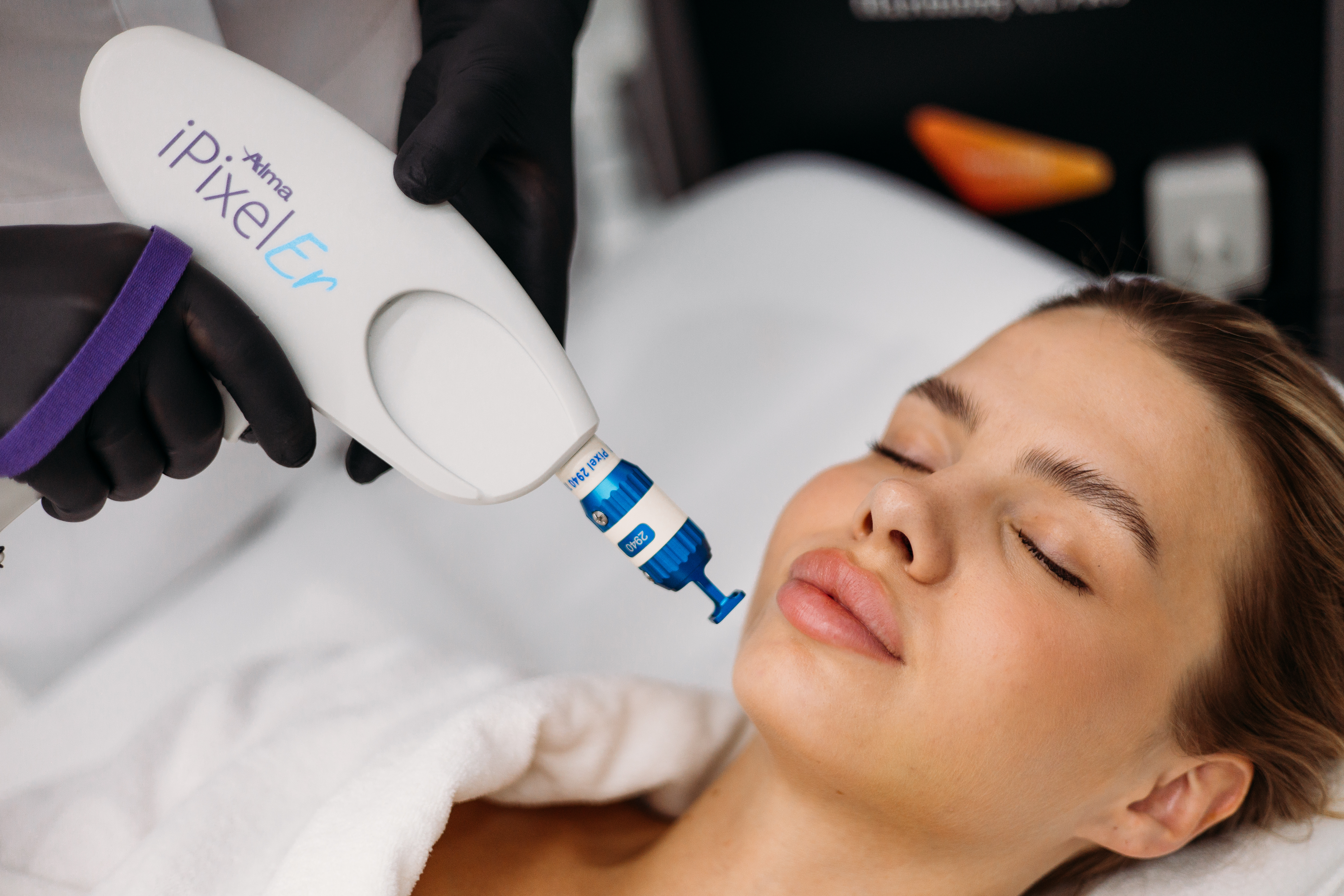
Detail of the Alma iPixel Er applicator at Evolution Aesthetics Clinic.
How many sessions will you need?
There is no reliable answer based only on the word “acne scars”. Your initial plan should identify the treatment area, the review point and the circumstances in which another session would be considered. Ask for the cost of the proposed plan and clarify what follow-up includes.
Research illustrates why results should be assessed over time. A small randomised split-face study of 24 people compared fractional Er:YAG and CO₂ lasers; improvement continued between the one- and six-month assessments. That study supports allowing time for evaluation, but does not predict the result of a specific iPixel course. Comparative clinical study
What makes before-and-after photographs useful?
Look for the same person, similar lighting and camera distance, a consistent facial expression and a stated time after treatment. Check whether the patient had additional procedures. A smoother-looking surface during early swelling is not enough to establish lasting improvement.
Evolution’s procedure gallery includes examples labelled with Dye-VL or ClearLift. Those labels describe combined courses; the changes should not be attributed to iPixel alone. The day-by-day recovery article shows a different kind of record: early healing rather than final scar correction.
What should you discuss before deciding?
Review previous acne treatments, pigment changes after irritation, unusual scarring and the time available for aftercare. Resurfacing can cause infection, prolonged redness, lighter or darker patches and scarring; suitability and prevention belong in the consultation. DermNet’s Er:YAG safety information
Read Erbium versus CO₂ laser resurfacing if you are comparing technologies, or book a consultation with Evolution to discuss which scars and goals an iPixel plan could reasonably address.