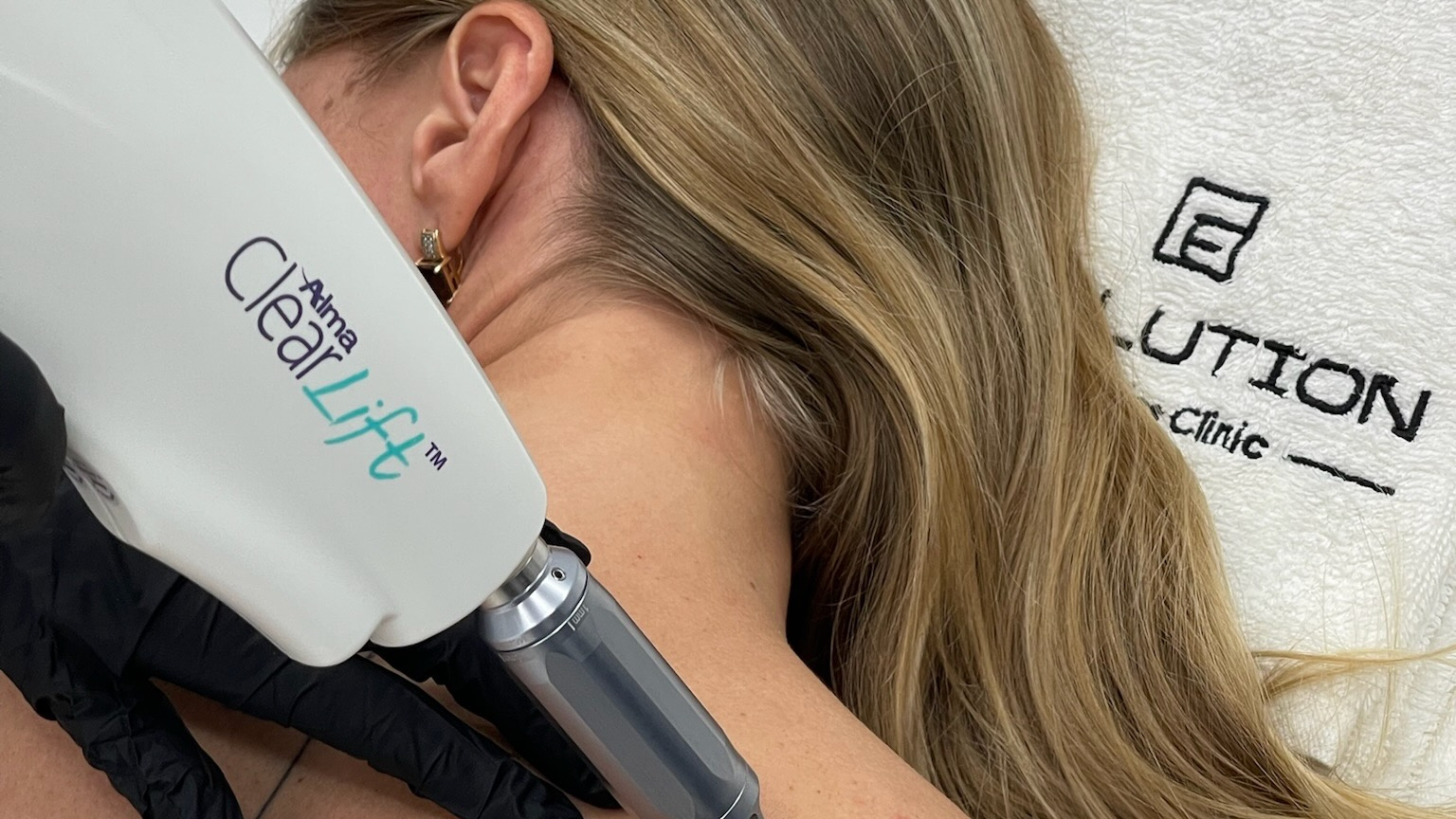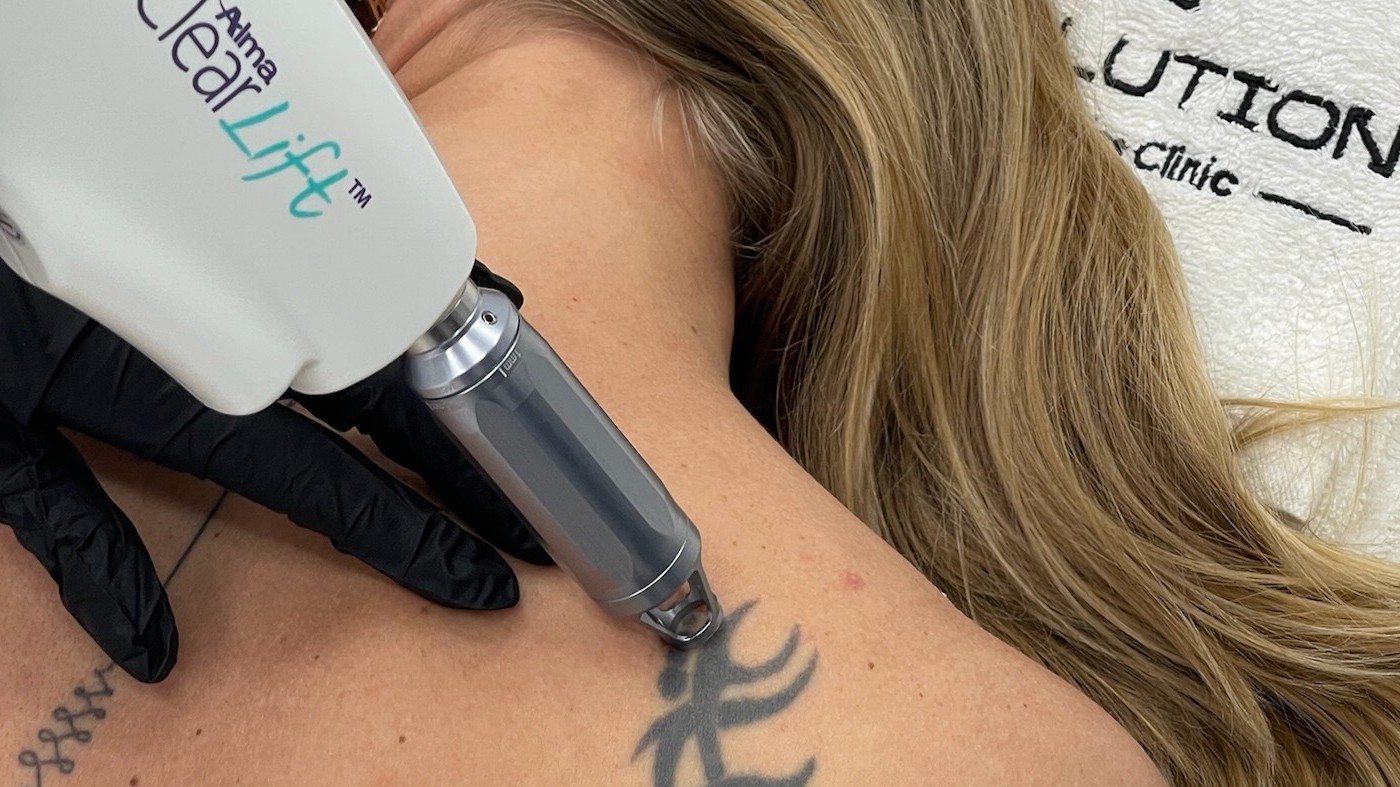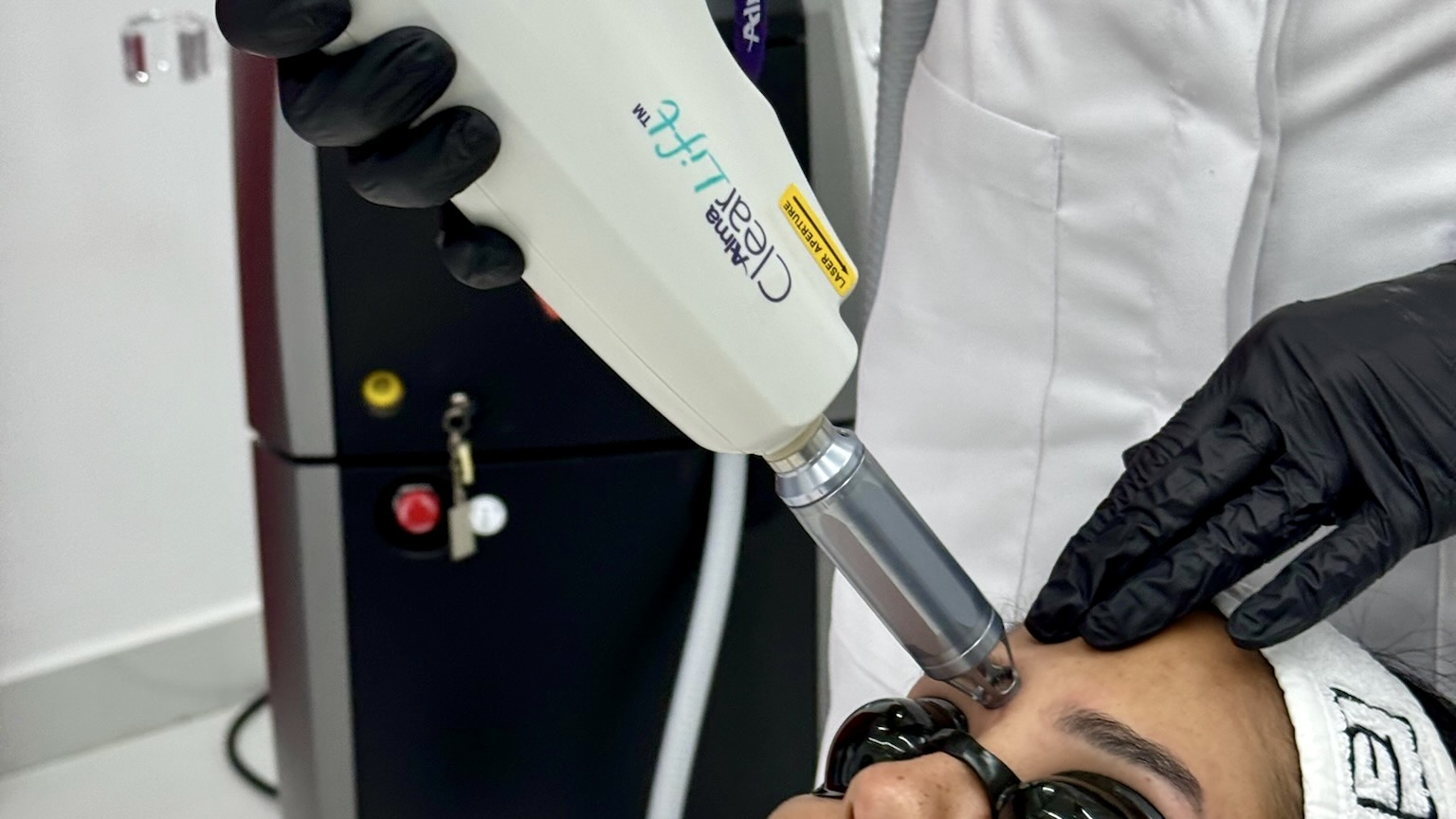
Tattoo removal usually requires several appointments with healing time between them. We estimate a plan after assessing the ink and skin, but complete clearance and an exact session count cannot be promised in advance.
Why does ink remain after a session?
Laser energy breaks tattoo pigment into smaller particles. Clearing those particles takes time, and ink at different depths may respond differently. Repeating treatment immediately is not a shortcut through healing. The FDA explains why multiple treatments are needed.
Some tattoos fade enough for the patient's goal while a trace remains. Tell us whether you want as much clearance as possible or are considering a future cover-up. We can discuss realistic possibilities without promising either outcome.
What affects the estimate?
The tattoo's colours, size, pigment distribution and location matter, as does your skin and any previous removal treatment. A small tattoo is not automatically an easy tattoo. White or cosmetic pigments can present a different problem from a larger black design.
Bring information about previous sessions and reactions. We assess scars or textural change as well as the remaining ink. This helps us avoid treating session count as the only measure of progress.
How do we review fading?
We compare the same tattoo under consistent conditions after healing. A photograph taken just after laser treatment may show a temporary skin response rather than the lasting clearance. Tell us if part of the design is changing differently from the rest.
At each review, we consider fading and skin tolerance together. The plan may change if the remaining colours respond poorly, the skin needs more time or the expected benefit becomes limited.