Exosomes and polynucleotides are different product categories. Both may appear in discussions of skin quality, but their ingredients, treatment methods and evidence are not interchangeable. We compare the exact plan and your goal before choosing either.
The ingredients are different
Exosomes are membrane-bound particles studied for their role in cell communication. Polynucleotides are chains of DNA-derived building blocks used in certain skin-treatment formulations. A shared claim about skin quality does not make them the same material.
Product names also matter within each category. A facial product and a hair product are not automatically equivalent. A study of one formulation or application method cannot be used to promise the same result from every product with a similar label.
Why the application method matters
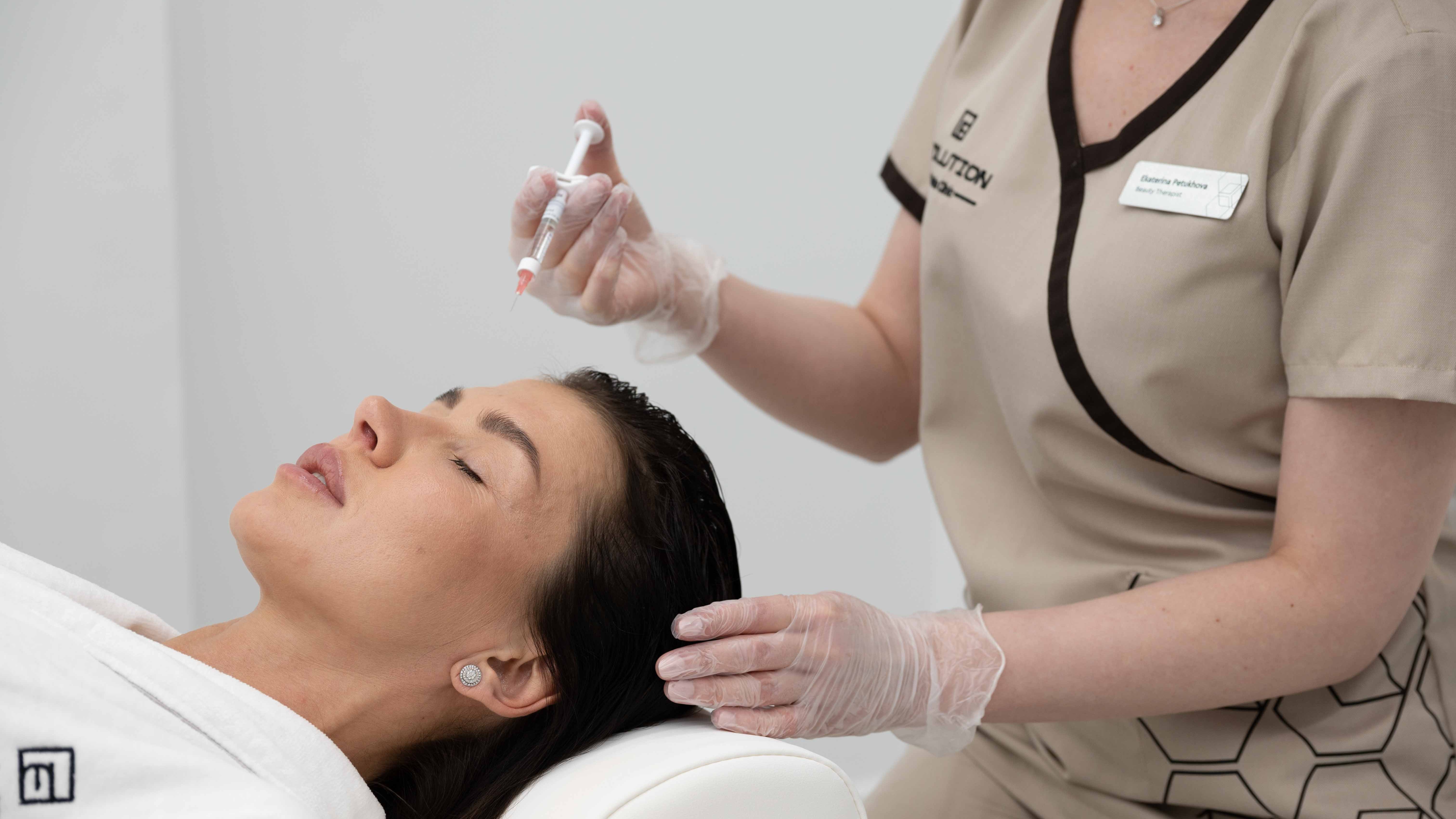
A topical preparation, an injectable skin treatment and a product used alongside a device have different requirements. Suitability on intact skin does not establish suitability for injection. We explain the proposed product and method before you consent, rather than let the ingredient category stand in for a full treatment description.
Do not choose an injection technique or apply a product through home microneedling after reading a comparison. Treatment method, compatibility and the condition of your skin need professional assessment.
Compare evidence without overstating it
An exosome-containing solution has been studied alongside microneedling in a small randomized split-face trial. Its short-term findings do not establish all exosome products or isolate a standalone serum effect. Primary exosome study.
Our existing Plinest treatment page explains the specific polynucleotide service and its limits. Evidence for polynucleotides does not prove an exosome outcome, and the reverse is also true. We do not claim that either category is universally better or a substitute for a diagnosed condition's treatment.
Start with the concern you want to change
Dryness, fine texture, loss of volume, an inflammatory condition and hair loss are different problems. A skin-quality product is not automatically the answer to all of them. We assess the concern, your history and previous treatments before discussing alternatives.
You may be better served by a different skin treatment, a medical assessment or no cosmetic treatment. Combining categories is not a default plan. If we propose more than one treatment, we explain what each part adds and how the timing is assessed.
Include recovery and risk in the decision
Expected recovery depends on the actual method and other treatments performed. Irritation, allergy, infection or injection-related effects cannot be assessed from the ingredient name alone. You receive written aftercare for the plan you consent to and a clear route for follow-up.
Tell us about medicines, allergies, active skin problems and previous reactions. Contact us for persistent or worsening symptoms; breathing difficulty, a severe allergic reaction or visual symptoms require urgent medical help.
Read about ASCE+ facial care and Plinest, then discuss which, if either, fits your own skin goals.