


Kinesiology
Taping
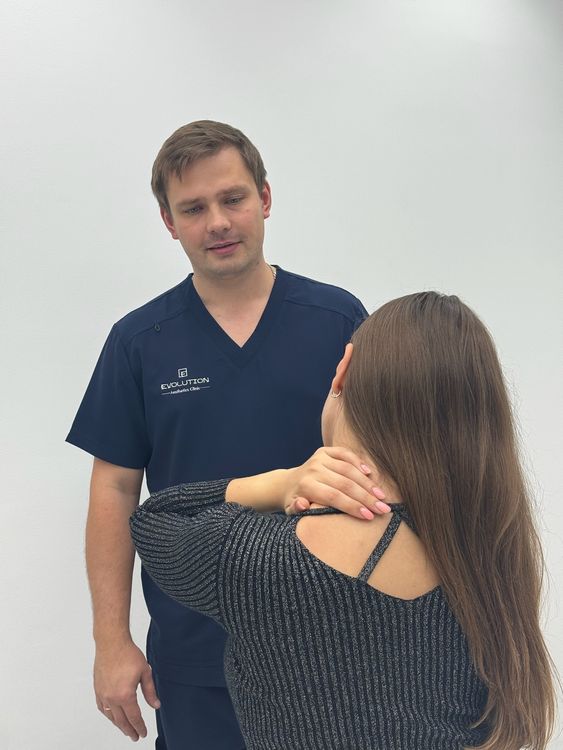
Kinesiology taping uses flexible adhesive tape as short-term support for selected muscles, joints or areas of swelling. People may consider taping for movement support during daily activity, posture awareness, sports recovery or after another treatment when the clinician approves it. The practitioner checks the skin and the treatment goal, then selects the tape direction and tension. The tape should feel supportive rather than restrictive and can usually stay in place during normal movement. Taping does not repair an injury or replace diagnosis, rehabilitation or medical care. It is not applied over broken or irritated skin, suspected infection, unexplained swelling or an area where a blood clot is a concern. Remove the tape if it causes itching, blistering, increasing pain, numbness or skin irritation.
How it works
Micro-lift of the skin improves drainage and reduces pressure
Taping uses elastic, breathable cotton with a medical-grade acrylic adhesive applied along muscle fibers, fascia lines, or lymph pathways. When placed with low to moderate tension, the tape forms microscopic convolutions that gently lift the outer layer of skin. This increases interstitial space, reduces pressure on capillaries and nerve endings, and promotes lymphatic drainage and microcirculation. On the face, light “fan” or “web” strips direct lymph toward key nodes to calm puffiness. On the body, I-, Y-, or fan-shaped applications provide proprioceptive feedback that helps muscles fire efficiently and supports better posture without restricting movement. The adhesive is heat-activated, water-resistant, and latex-free, allowing wear for several days so the therapeutic effect continues between sessions.
Support that lasts for days, without downtime
Targeted support without bulk
Custom-cut strips guide muscles and fascia exactly where you need them while keeping your natural range of motion.
Faster swelling and bruise recovery
A gentle skin lift helps lymph flow and microcirculation, so puffiness and discoloration fade sooner.
Comfortable pain relief between visits
Light, continuous tension reduces pressure on nerve receptors and eases daily discomfort.
Wear-and-go with no downtime
Application takes minutes and you can return to work, training, and sleep with the tape on.
Ongoing effect for 3–5 days
Breathable cotton with acrylic adhesive stays on through showers to provide round-the-clock support.
Non-invasive add-on to many therapies
Pairs well with lymphatic massage, RF, and LED as part of a structured recovery plan.
Treatment plan
Quick sessions, steady results that fit your week
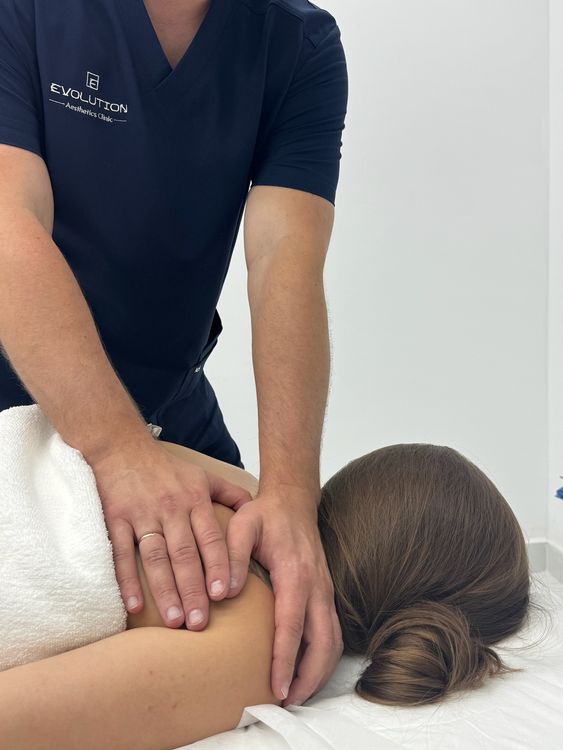
Your plan depends on the goal. For post-procedure or post-training swelling, most people benefit from 1–3 sessions in the first 1–2 weeks. For posture training or chronic tension (neck, shoulders, jaw), plan 4–8 weekly sessions, then space to every 2–4 weeks for maintenance. Each appointment lasts 15–45 minutes depending on areas. Tapes usually stay on 3–5 days and continue working while you go about your day. Before your visit: arrive with clean, dry skin (no oils, creams, or self-tan), trim excess hair if needed, and tell us about any adhesive reactions or medications. After application: wait at least 1 hour before heavy training or showering; pat dry after water exposure; avoid saunas and hot tubs for 12–24 hours to let the adhesive cure; if you feel itching or see redness that spreads, remove the tape. To remove, peel slowly in the direction of hair growth while using oil or a lotion. Be mindful of sun exposure to avoid sharp tan lines around the tape. Your practitioner may combine taping with simple stretches or activation exercises to reinforce the effect.
Customers' Reviews: Why Customers Love Evolution
Loading current reviews from Google Maps.
Contraindications
Taping is not suitable for everyone. Please let your practitioner know about your medical history and any skin issues before treatment.
- Known allergy or irritation from adhesives or kinesiology tape.
- Open wounds, cuts, or untreated skin infection in the area.
- Active dermatitis, eczema flare, or psoriasis plaques on the site.
- Fragile or damaged skin, recent sunburn, or severe varicose veins over the area.
- History of deep vein thrombosis or clotting disorder in the affected limb.
- Uncontrolled diabetes with reduced sensation, or peripheral neuropathy.
- Known malignancy in the area unless approved by your doctor.
- Pregnancy: abdominal or lower back taping requires clinician assessment.
- Recent radiotherapy or chemotherapy on the area (seek medical clearance).
What goes well with Taping?
- Manual TherapyHands-on joint and muscle work reduces stiffness and corrects movement. Taping then holds the improved alignment, supports tissues between visits, and helps you keep good form in daily life.
- Osteopathic AdjustmentAdjustments improve biomechanics and ease overload on irritated areas. Taping maintains better posture after the session, so the effect lasts longer through training and work.
- Deep Tissue MassageReleases tight fascia and trigger points before taping. With less muscle tension, the tape adheres better and gives clearer feedback, helping reduce soreness after activity.
- Pressotherapy of BodyBoosts lymphatic drainage to lower swelling and heaviness. Taping can guide fluid away from inflamed zones and keep decongestion going between sessions.
- Muscles Body ToningTargeted strengthening builds stability where the tape provides support. Training plus taping improves movement patterns and helps prevent repeat strain.